
Choose a purifier by room size, CADR, filter type, noise level, and total running cost.
Clean indoor air can make a real difference, especially during allergy season, wildfire smoke, or a bout of winter illness. After comparing air cleaners for bedrooms, living rooms, and open spaces, I have found that the best choice is rarely the one with the most impressive feature list.
This guide explains how to choose an effective air purification system for home use with clear, practical steps. You will learn how to read CADR ratings, select the right filter, avoid unsafe features, and buy a system that fits your room, budget, and daily life.
What does an air purification system do?
An air purification system removes or reduces unwanted particles and gases from indoor air. Depending on its design, it may capture dust, pollen, pet dander, smoke particles, mold spores, bacteria, and some odors.
Most home air purifiers use a fan to pull room air through one or more filters. The cleaner air then returns to the room. Think of the unit as a small, nonstop net that catches pollutants as air passes through it.
An air purifier does not replace good ventilation or cleaning. It also cannot remove every pollutant. For example, it may not solve a radon problem, stop carbon monoxide, or remove all chemical vapors.
According to indoor air quality guidance, the strongest approach combines:
• Source control, such as fixing leaks and reducing smoke
• Better ventilation, when outdoor air is clean
• Filtration with a suitable air purifier
• Regular cleaning and filter replacement
Understanding these limits is the first step in how to choose an effective air purification system for home use.

Start with the main air problem in your home
The right purifier depends on what you want to remove. A unit designed for pollen may not be the best choice for strong cooking odors or wildfire smoke.
Before shopping, spend a few days observing your home. Notice when symptoms or odors appear and where they are strongest.
For allergies and asthma
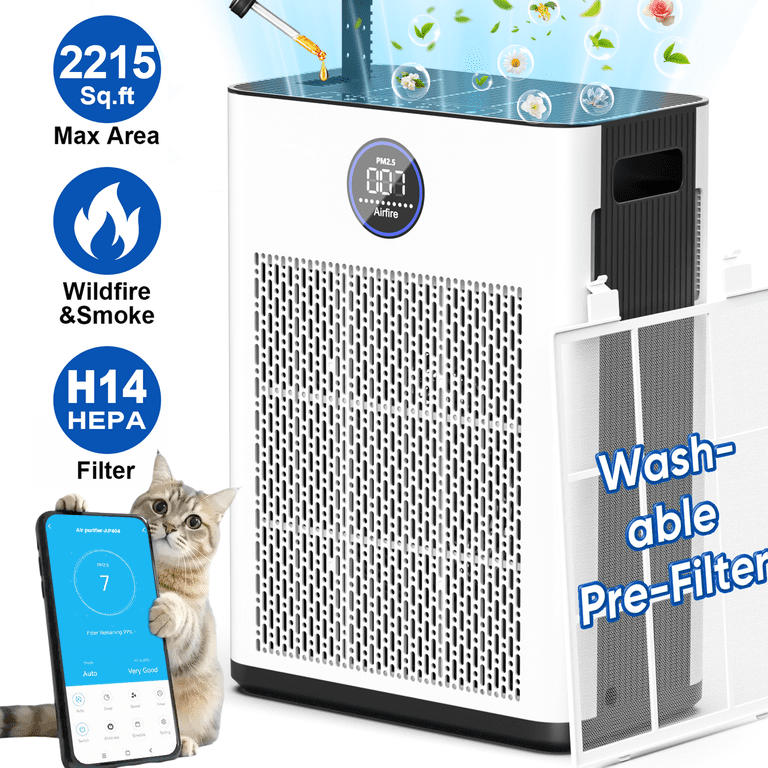
Choose a purifier with a true HEPA filter and a strong clean air delivery rate. HEPA filters are designed to capture very small particles, including many particles linked to pollen, dust, and pet dander.
A purifier may help reduce airborne triggers, but it is not a medical treatment. Keep using prescribed medicines and follow advice from a health professional.
For pet hair and dander
Pet hair is often too large to reach the main filter efficiently. A washable or replaceable prefilter can catch hair before it clogs the HEPA filter.
For pet dander, place the purifier near the room where your pet spends the most time. Vacuuming carpets and washing pet bedding still matter.
For wildfire smoke
Smoke contains fine particles that can travel deep into the lungs. Look for a high CADR for smoke and a tightly sealed HEPA system.
Activated carbon can also help with some smoke odors and gases. However, a thin carbon sheet may have limited capacity. A purifier with more carbon media usually performs better for strong odors.
For cooking smells
A carbon filter is more important for odors than a HEPA filter. HEPA captures particles from cooking, but it does not remove every gas that creates a smell.
Use the kitchen exhaust fan when possible. A purifier should support ventilation, not replace it.
For mold concerns
Air purifiers can capture some airborne mold spores. They cannot fix the moisture source that allows mold to grow.
Repair leaks, control humidity, and remove mold safely. If mold covers a large area or keeps returning, professional help may be needed.
Learn the most important air purifier ratings
Many people buy an air purifier by looking at room size alone. That is a useful starting point, but the ratings behind that number matter more.
CADR
CADR means Clean Air Delivery Rate. It measures how quickly a purifier delivers filtered air for smoke, dust, and pollen.
A higher CADR usually means faster particle removal. When comparing two units for the same room, the one with the higher CADR will often clean the air more quickly.
The Association of Home Appliance Manufacturers, or AHAM, tests and lists CADR ratings for many air cleaners. Look for smoke CADR when fine particles and wildfire smoke are your main concern.
ACH
ACH means air changes per hour. It estimates how many times the purifier can filter the air in a room each hour.
A simple estimate is:
ACH = CADR × 60 ÷ room volume
Room volume equals length × width × ceiling height.
For example, a 12 by 15 foot room with an 8 foot ceiling has 1,440 cubic feet of air. A purifier with a CADR of 240 cubic feet per minute provides about 10 air changes per hour under ideal conditions.
Real results may vary because of open doors, leaks, furniture, and the purifier’s fan setting.
Decibels
Decibels measure sound. A low setting may be quiet, but it may also clean air slowly. Check the noise rating at several speeds, not only the lowest setting.
For a bedroom, quiet operation is often worth paying for. A purifier that keeps you awake will not provide much benefit if you turn it off each night.
Energy use
Check the wattage and estimated annual energy use. A lower-wattage unit may cost less to run, but it may also move less air.
The best value is usually a purifier that can run at a useful speed without creating a large power bill.
Match the purifier to your room size
Room coverage claims can be confusing. Some brands list a maximum room size based on one or two air changes per hour. That may not be enough for smoke, allergies, or high particle levels.
For how to choose an effective air purification system for home use, choose a purifier based on the room’s real needs rather than the biggest marketing number.
Use these practical guidelines:
• Measure the room, including ceiling height
• Choose a unit with a CADR that fits the space
• Select a larger model for open floor plans
• Consider a second purifier when doors remain open
• Use the highest safe speed during smoke or high-pollen events
A purifier rated for 500 square feet may work well in a 500 square foot room at low demand. In a smoky home, you may need more capacity or a higher fan speed.
Open-plan homes
An open living area is harder to clean than a closed bedroom. Air moves through hallways and around furniture, so the purifier must work harder.
You can use one large unit near the center of the space or use smaller units in the rooms where people spend the most time. Two smaller purifiers may also provide better coverage than one unit placed at the far end of the home.
Bedrooms
Bedrooms often need quiet, steady filtration. Choose a unit that can run all night without bright lights or distracting alerts.
Place it several feet from walls and curtains. Do not block the air intake or outlet with bedding.

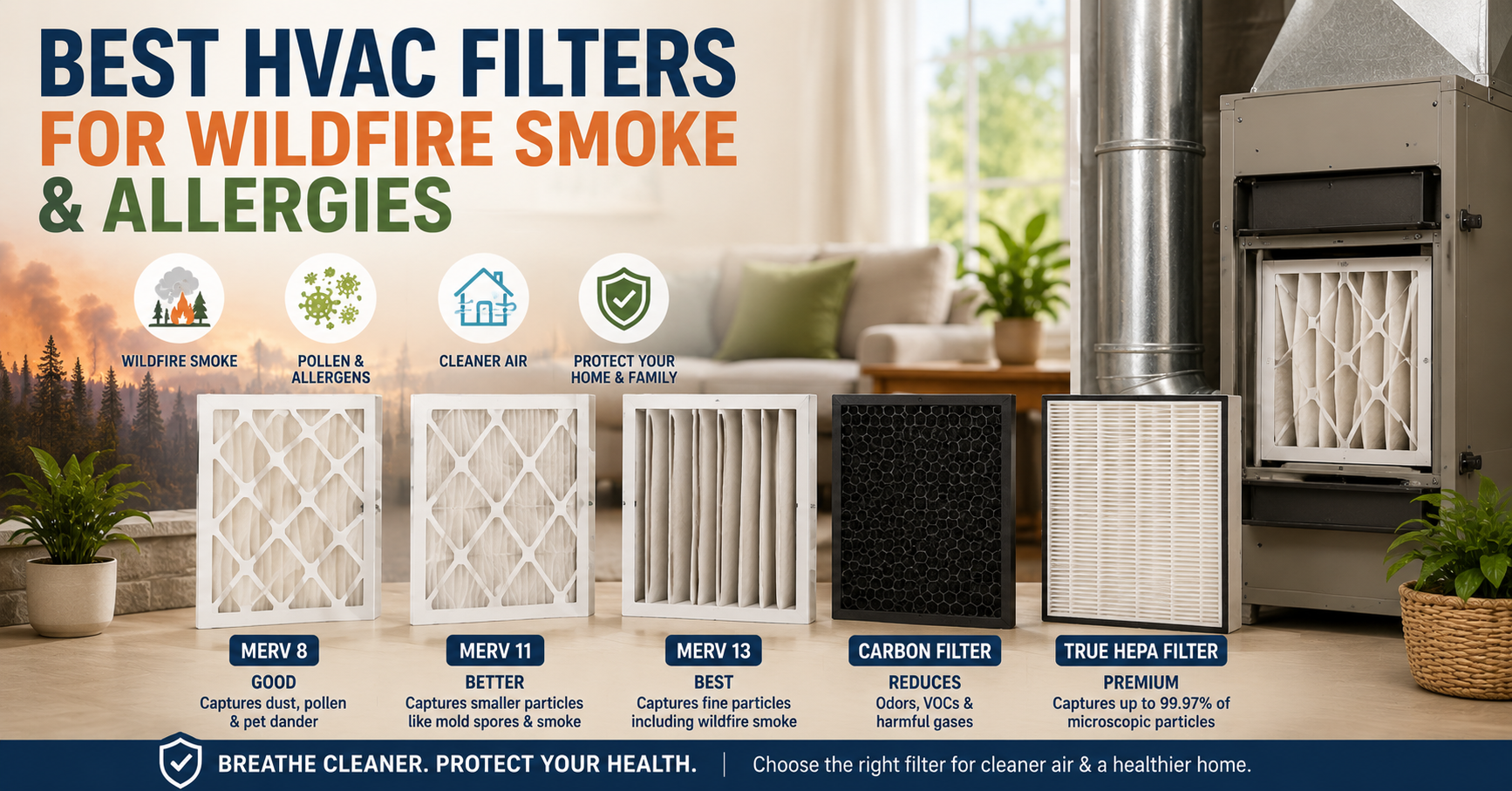
Choose the right filter system
Filter design is central to how to choose an effective air purification system for home use. Different filters solve different problems.
True HEPA filters
A true HEPA filter is the main choice for airborne particles. It can capture very small particles through a mix of interception, diffusion, and other filtration effects.
Look for clear wording such as “true HEPA” or a stated particle removal standard. Be cautious with vague phrases such as “HEPA-like” or “HEPA-type,” because these terms may not follow one consistent performance standard.
Pre filters
A prefilter catches large debris such as hair, lint, and dust. It protects the more expensive main filter.
Some prefilters can be washed or vacuumed. Always follow the maker’s cleaning instructions. Do not wash a filter unless the label says it is washable.
Activated carbon
Activated carbon can adsorb some gases and odors. It is useful for cooking smells, tobacco smoke odors, and certain household chemicals.
Carbon performance depends on the amount and quality of carbon. A thin carbon coating may lose effectiveness quickly. If odor control is your main goal, choose a model with a heavier carbon filter and a replaceable design.
Electrostatic and ionizing filters
Some systems use electrical charges to attract particles. They may work well under certain conditions, but performance can vary.
Ionizers may produce ozone, a lung irritant. The EPA and other public health authorities advise caution with ozone-generating products. Ozone is not a safe substitute for particle filtration.
Ultraviolet light
UV light may reduce some microorganisms under controlled conditions. In a home air purifier, air may move past the lamp too quickly for strong results.
UV is not a replacement for HEPA filtration. It can also raise maintenance and replacement costs.
Check safety features before buying
A safe purifier should clean air without creating a new indoor air problem. This point is easy to miss when shopping online.
Use this checklist:
• Avoid products that intentionally generate ozone
• Look for independent safety certification when available
• Check for overheating protection
• Keep cords away from walking paths and heat sources
• Follow spacing instructions around walls and furniture
• Keep the unit away from water
• Replace damaged cords or cracked housings
Some air cleaners use ionization as a selling point. If you are considering one, check whether the product has been tested for ozone emissions. A simple HEPA and carbon design is often easier to understand and maintain.
People with asthma, young children, older adults, and pets may be more sensitive to indoor pollutants. A cautious design with mechanical filtration is usually the sensible option.

Consider filter replacement and long-term cost
The purchase price is only part of the cost. Filters may need replacement every few months or once a year, depending on use and air quality.
When comparing options, estimate:
• The price of replacement filters
• How often each filter must be changed
• Electricity use at your normal fan speed
• Warranty coverage
• Shipping costs for replacement parts
• The cost of carbon filters if odor control is important
A cheap purifier can become expensive if its filters cost too much. An expensive model may be a better value if it has durable parts and affordable filters.
Signs that a filter needs replacement
A filter may need attention when:
• Airflow becomes weak
• The unit makes a new rattling or strained sound
• Odors return
• The filter indicator turns on
• The filter looks heavily loaded with dust
Do not rely only on appearance. Some filters still look clean while their fibers are full of fine particles.
One practical lesson from using air cleaners is to set a calendar reminder. Filter changes are easy to forget, especially when the purifier runs quietly in the background.

Place the purifier where it can work best
Even the best system will perform poorly if it is hidden behind a sofa or pushed against a wall.
Follow these placement tips:
• Leave open space around the air intake
• Keep the outlet clear
• Place the unit near the pollution source when safe
• Put a bedroom unit near the bed but not directly against bedding
• Keep it away from curtains and rugs that block airflow
• Close doors and windows during severe outdoor smoke events
If you are targeting pet dander, place the unit in the room where your pet spends time. For cooking particles, place it near the kitchen but away from grease and splashing water.
Do not place a purifier beside an open window during a pollution event. It may pull dirty outdoor air indoors faster than it can filter it.
Decide which features are useful
Smart features can help, but they should not distract from core performance.
Useful features may include:
• Multiple fan speeds
• A washable prefilter
• A filter replacement alert
• A child lock
• A timer
• An air quality sensor
• Automatic fan control
• A dimmable display
A built-in particle sensor can show changes in indoor air. It may respond to cooking, dust, or smoke, but it does not measure every pollutant. Most consumer sensors do not detect carbon monoxide, radon, or all chemical gases.
Wi-Fi control is convenient, but it is not essential. A basic purifier with strong CADR, low noise, and affordable filters can outperform a smart model with weaker airflow.
For how to choose an effective air purification system for home use, treat smart controls as extras. First confirm that the filter system and CADR meet your needs.
Compare portable purifiers with whole-home systems
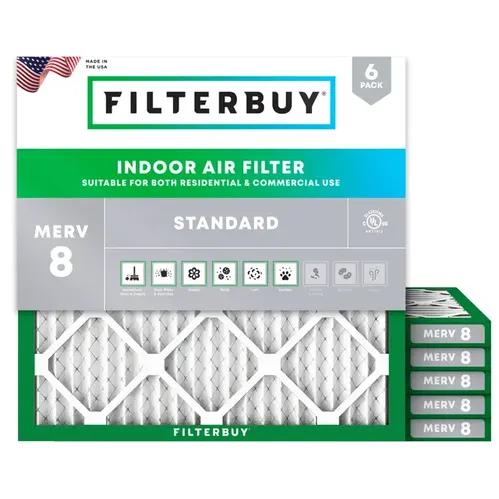
Portable air purifiers are often the easiest and least expensive option. You can move them between rooms and focus on the spaces you use most.
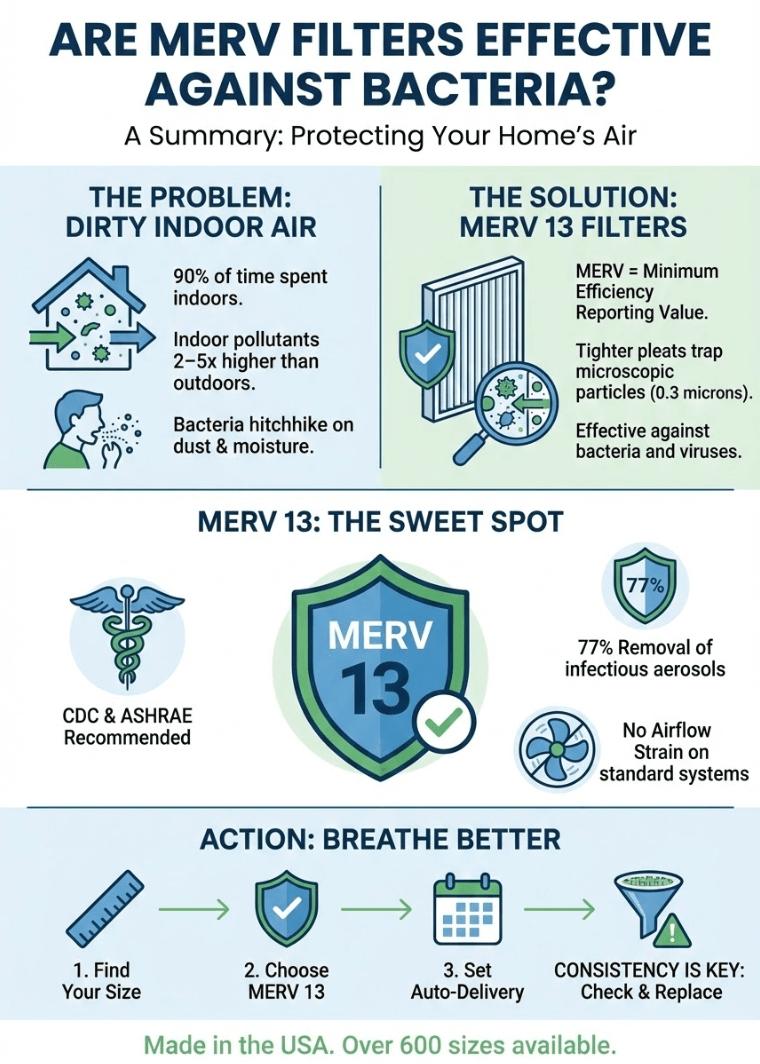
Whole-home systems may connect to a heating, ventilation, and air conditioning system. They can filter air throughout the house, but results depend on fan operation, filter quality, duct design, and professional installation.
Portable units work well when:
• You need filtration in one or two rooms
• You rent your home
• You want a lower initial cost
• You need quick help during wildfire smoke
• You prefer simple setup
Whole-home systems may fit when:
• You own the property
• You already have central HVAC
• You want broad coverage
• You can support professional installation
• Your HVAC fan runs often enough to move filtered air
A whole-home filter can also restrict airflow if it is too dense for the system. Ask an HVAC professional to confirm compatibility before installation.
Common buying mistakes to avoid
Learning how to choose an effective air purification system for home use also means knowing what not to do.
Buying by square footage alone
Square footage claims may use a low air change rate. Compare CADR and expected ACH instead.
Choosing the smallest model for a large room
A small unit may help near the user, but it will not clean a large open room quickly. When in doubt, choose more capacity.
Ignoring noise
A loud unit may stay switched off. Test the sound in a store when possible, or check independent reviews that measure noise at several speeds.
Expecting one filter to remove everything
HEPA is strong for particles. Carbon helps with some gases and odors. No single home purifier removes every pollutant.
Forgetting source control
An air purifier cannot fix a leaking roof, a smoking habit, a gas leak, or poor kitchen ventilation. Remove the source whenever possible.
Trusting dramatic claims
Be careful with claims that promise total protection, instant sterilization, or removal of every chemical. Look for test methods, clear specifications, and independent certification.
A simple buying process
Use this step-by-step method when comparing models.
-
Identify the main problem, such as dust, pollen, smoke, pet dander, or odors.
-
Measure the room and estimate its volume.
-
Compare smoke CADR, dust CADR, and pollen CADR.
-
Choose a true HEPA filter for airborne particles.
-
Add meaningful activated carbon for odors and some gases.
-
Check noise levels at the fan speed you will actually use.
-
Calculate filter and energy costs for one year.
-
Avoid ozone-generating products.
-
Confirm the replacement filters are easy to find.
-
Place the purifier correctly and maintain it on schedule.
This process makes how to choose an effective air purification system for home use much less confusing. It also keeps marketing language from making the decision for you.
How I would choose a purifier for real homes
For a small bedroom with allergy concerns, I would choose a quiet HEPA unit with a strong smoke CADR and a low-cost replacement filter. I would run it several hours before bedtime and keep it on a quiet setting overnight.
For a living room with pets, I would look for a washable prefilter, high airflow, and enough carbon to reduce household odors. I would also vacuum often because no purifier can catch settled hair and dust sitting on the floor.
For wildfire smoke, I would choose more capacity than the room-size label suggests. I would close windows, limit outdoor air entry, run the purifier continuously, and monitor indoor air with a suitable particle sensor.
The biggest mistake I see is focusing on a stylish design or app before checking CADR and filter prices. A purifier is not a decoration. It is an appliance that must move a large amount of air through a clean filter.
Frequently Asked Questions about how to choose an effective air purification system for home
How do I choose the right air purifier for my home?
Start by identifying the main pollutant, measuring the room, and comparing CADR ratings. Choose true HEPA for particles, activated carbon for some odors, and a model with affordable replacement filters.
Is a HEPA filter enough for home air purification?
HEPA is highly effective for many airborne particles, including dust, pollen, and fine smoke particles. It does not remove every gas or odor, so activated carbon may be useful for those concerns.
What CADR should an air purifier have?
The right CADR depends on room size and how quickly you want the air cleaned. A higher CADR is helpful for smoke, allergies, and open rooms, while the manufacturer’s coverage claim should be checked against the actual CADR.
Are air purifiers with ionizers safe?
Ionizers can create ozone, which may irritate the lungs. If you choose one, verify its ozone emissions through reliable testing, but mechanical HEPA filtration is usually the simpler and safer choice.
Where should I place my air purifier?
Place it in the room where you spend the most time and keep the intake and outlet clear. Leave space around the unit, and avoid placing it behind furniture, under curtains, or beside an open window during polluted conditions.
How often should an air purifier filter be changed?
Follow the manufacturer’s schedule, but inspect the filter sooner if airflow drops, odors return, or the purifier runs during heavy smoke. Homes with pets, smokers, or construction dust may need more frequent changes.
Can an air purifier remove mold?
An air purifier can capture some airborne mold spores, but it cannot remove mold growth or fix moisture. Repair leaks, control humidity, and address the source to solve the problem.
Do air purifiers remove carbon monoxide?
No. Standard home air purifiers do not remove carbon monoxide. Use working carbon monoxide alarms and have fuel-burning appliances inspected by qualified professionals.
Conclusion
The best way to choose an effective air purification system for home use is to match the purifier to your real air problem, room size, and daily habits. Focus on CADR, true HEPA filtration, useful activated carbon, safe operation, quiet performance, and long-term filter cost.
Avoid ozone-generating devices and exaggerated claims. A well-sized purifier, placed correctly and maintained on schedule, can support cleaner indoor air while source control and ventilation handle the rest.
Measure your room, compare a few trusted models, and choose the system you can afford to run consistently. Explore more indoor air quality resources, and share your purifier questions or experience in the comments.
4 Comments