Choose a cordless drill by matching its voltage, chuck size, battery, speed, torque, and comfort to your home projects.
Learning how to buy a drill for home use can save you money, time, and frustration. The best drill is not always the most powerful or expensive model. It is the one that fits your tasks, your hand, and the materials you plan to work with. This guide explains the key features in simple terms, so you can shop with confidence and avoid common mistakes.
Decide What You Will Use the Drill For
The first step in learning how to buy a drill for home use is to list your likely projects. A drill for hanging pictures is not the same as a drill for building a deck or drilling into concrete.
Most home users need a drill for tasks such as:
- Hanging shelves, curtain rods, and wall art
- Assembling furniture
- Driving screws into wood
- Drilling pilot holes
- Installing cabinet handles
- Repairing toys, appliances, and outdoor items
- Drilling through plastic, metal, or thin boards
A simple cordless drill driver is enough for many home repairs. It can drill holes and drive screws. If you often work with brick, block, or concrete, you may need a hammer drill. For large wood projects, a more powerful drill with a larger battery may be a better fit.
Think of a drill as a kitchen knife. You do not need the largest knife for every meal. You need the right tool for the job.

Choose Between Cordless and Corded Drills
Cordless drills are the most popular choice for home use. They are easy to carry, work in tight spaces, and do not need a nearby outlet. Modern lithium-ion batteries also hold their charge well and are much lighter than older battery types.
A corded drill provides steady power for as long as it is plugged in. It can be useful for long jobs, thick materials, or workshop use. However, the cord can limit movement and may become a safety hazard if it crosses a walkway.
Cordless drill advantages
- Easy to move around the home
- Useful for outdoor projects
- No extension cord needed
- Usually includes adjustable speed and clutch settings
- Convenient for quick repairs
Cordless drill limitations
- The battery needs charging
- Extra batteries can increase the cost
- Power may drop as the battery becomes empty
- Batteries may wear out after years of use
Corded drill advantages
- Reliable power during long tasks
- No battery charging
- Often costs less than a similar cordless kit
- Suitable for extended workshop work
Corded drill limitations
- Requires access to an outlet
- Less convenient on ladders or outdoors
- The cord may limit reach
- Extension cords must be rated for the tool
For most homeowners, I recommend a cordless drill driver with a removable lithium-ion battery. It offers the best balance of convenience and performance. When I first started doing small repair jobs, I bought a corded drill because it seemed cheaper. I soon learned that moving the cord around furniture was more annoying than saving a few dollars.
Understand Drill Voltage
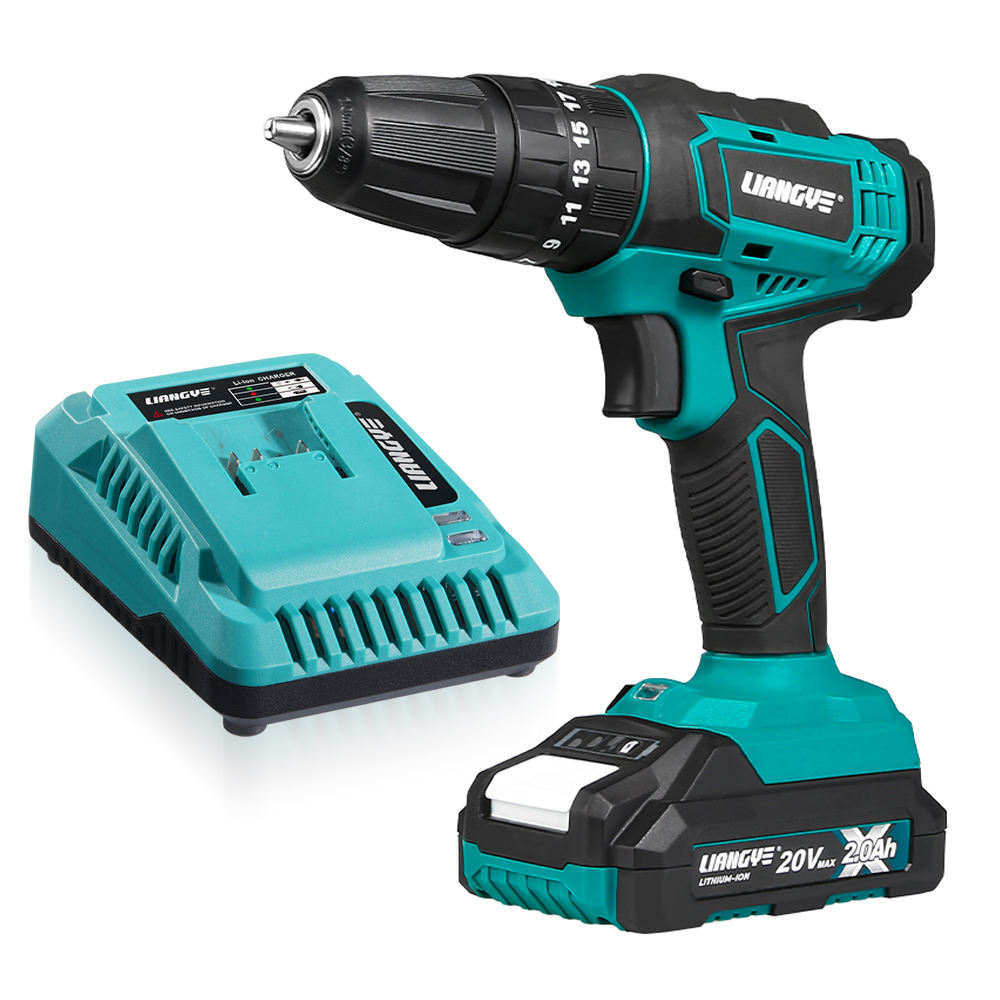
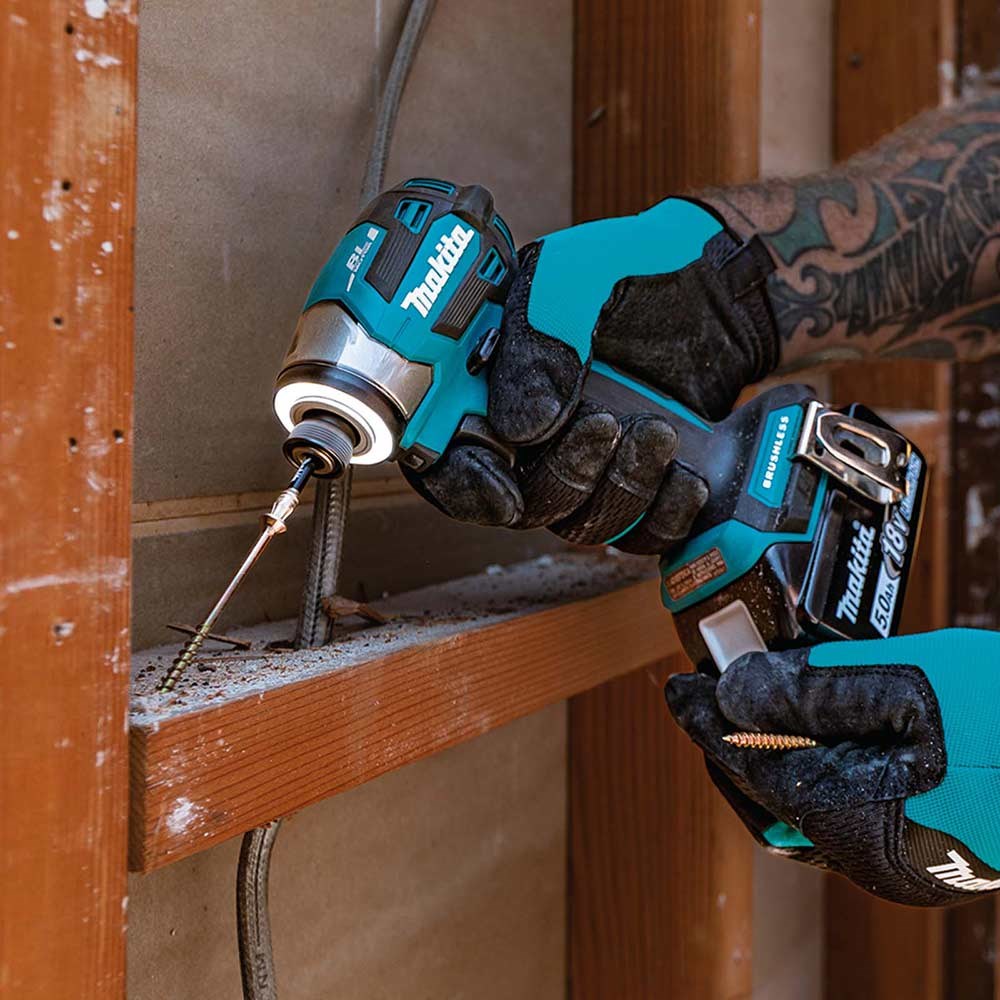
Voltage gives you a general idea of a cordless drill’s power. It does not tell the whole story, but it helps narrow your choices.
Common cordless drill voltages include:
- 4 to 8 volts: Best for very light tasks, such as small screws and basic furniture assembly
- 12 volts: Great for most household repairs and light woodworking
- 18 volts: A strong choice for demanding home projects
- 20 volts: Commonly marketed in the United States as a high-power option; actual operating voltage may vary by brand
A 12-volt drill is often smaller and lighter. It works well for shelves, cabinets, picture frames, and furniture. An 18- or 20-volt drill offers more power for thick wood, long screws, and repeated use.
Do not assume that a higher voltage always means a better drill. A 20-volt tool may feel heavy if you only need to install a few screws. For many homeowners, a quality 12-volt drill is more comfortable and capable than a cheap high-voltage model.
When deciding how to buy a drill for home use, match voltage to the job rather than choosing the biggest number on the package.
Check the Chuck Size and Type
The chuck holds the drill bit or driver bit. Its size affects the types of bits you can use.
The most common chuck sizes are:
- 1/4 inch: Often used on compact tools or impact drivers
- 3/8 inch: Common on light and medium-duty home drills
- 1/2 inch: Designed for larger bits and heavier work
A 3/8-inch chuck is enough for many home projects. A 1/2-inch chuck gives you more flexibility when drilling larger holes or using thicker bits.
You will also see two main chuck types:
Keyless chuck
A keyless chuck tightens by hand. It is quick and convenient, which makes it a good choice for home repairs.
Keyed chuck
A keyed chuck uses a small tool to tighten the jaws. It can grip bits firmly, but the key is easy to misplace. Keyed chucks are more common on some heavy-duty and corded drills.
For general household work, choose a keyless chuck. Before buying, open and close it several times. It should turn smoothly and hold bits without wobbling.

Look for Adjustable Speed and Torque
Speed and torque are two of the most important drill features.
Speed is measured in revolutions per minute, or RPM. A low speed gives you more control and helps prevent damage. A high speed helps drill small holes quickly.
Torque is the turning force of the drill. More torque helps drive long screws and drill through harder materials. Too much torque can strip a screw head or crack a board.
A useful home drill should have:
- At least two speed ranges
- A variable-speed trigger
- An adjustable clutch
- A forward and reverse switch
The clutch is the numbered ring behind the chuck. It controls how much force the drill applies before the motor stops turning the screw. Use a low clutch setting for small screws and delicate materials. Use a higher setting for larger screws and harder materials.
I once used a high clutch setting while assembling a pine bookcase. The screw went too deep and split the wood. That small mistake taught me to start with a low setting and increase it slowly.
Compare Brushed and Brushless Motors
Cordless drills may use brushed or brushless motors.
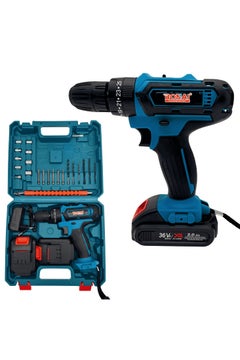
A brushed motor uses carbon brushes to transfer electricity to the spinning part of the motor. It is usually less expensive, but the brushes can wear down over time.
A brushless motor uses electronic controls instead of physical brushes. It often runs more efficiently, creates less heat, and provides longer battery life. Brushless drills usually cost more.
Choose a brushed drill if:
- You use the tool only a few times per year
- You want the lowest upfront cost
- Your projects are light
- You do not mind replacing the tool sooner
Choose a brushless drill if:
- You use the drill often
- You work on larger projects
- You want better battery efficiency
- You plan to keep the tool for many years
A brushless motor is not essential for every homeowner. However, it can be a smart investment if you regularly repair, remodel, or build items.
Evaluate the Battery and Charging System
Battery quality affects the real-world usefulness of a cordless drill. A powerful drill is not helpful if the battery dies quickly or takes all day to charge.
Lithium-ion batteries are now the standard for most cordless drills. They are lighter than older nickel-cadmium batteries and usually offer better energy storage.
Pay attention to these details:
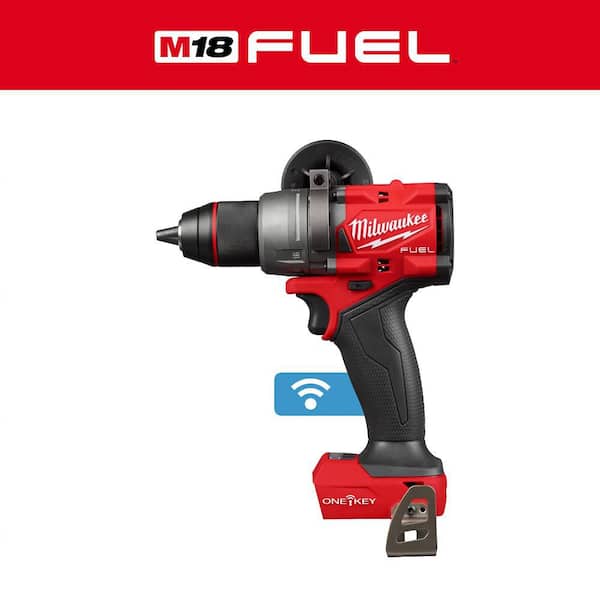
- Amp-hours, shown as Ah, indicate battery capacity
- A 1.5 Ah or 2.0 Ah battery is lighter and suited to light work
- A 4.0 Ah or larger battery lasts longer but adds weight
- A fast charger reduces downtime
- A second battery lets you work while the first one charges
- Batteries from the same brand may work across many tools
A kit with one small battery may cost less, but a kit with two batteries often offers better value. Check the price of replacement batteries before buying. Some brands sell batteries at nearly the cost of a new tool.
Battery compatibility also matters. If you already own tools from a trusted platform, staying with that brand may save money. You may be able to use one battery for a drill, saw, light, or trimmer.
Test the Drill’s Comfort and Weight
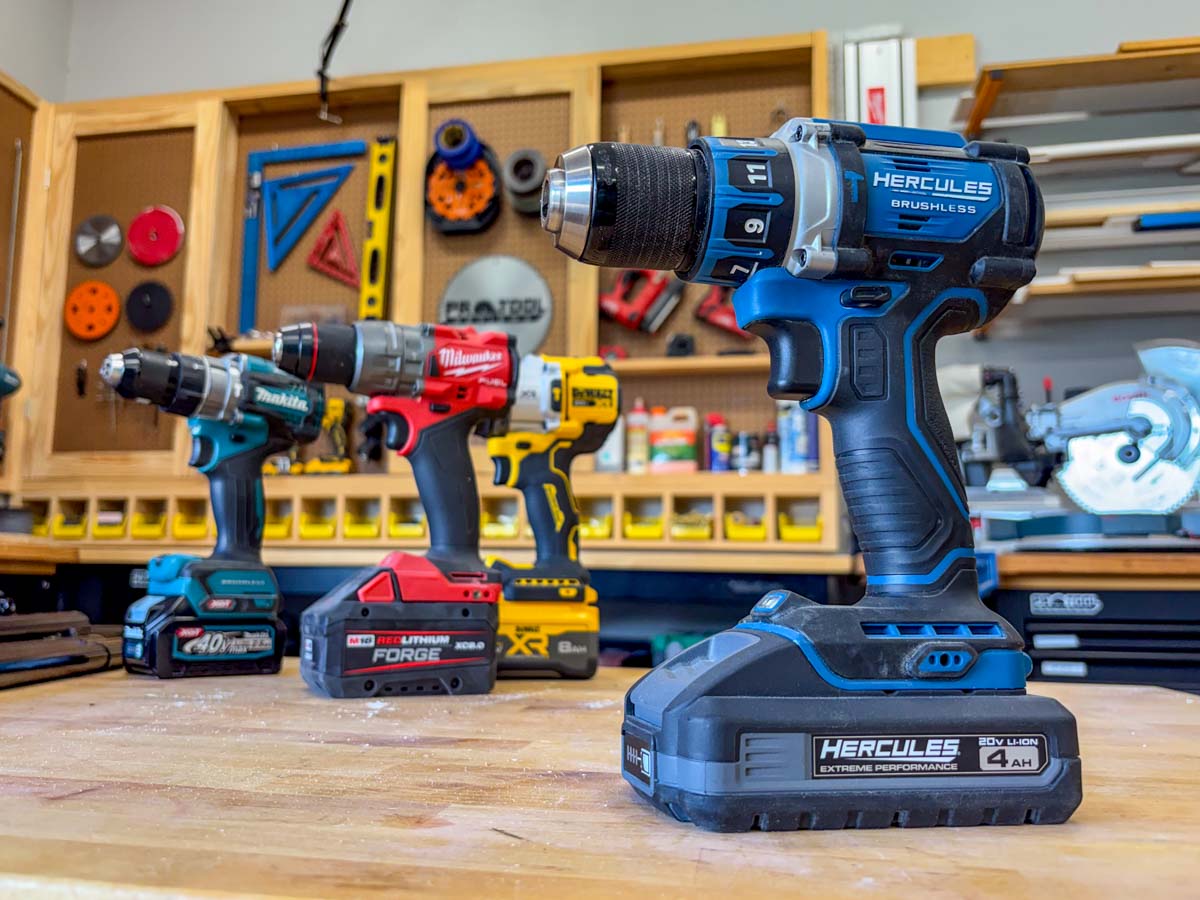
Comfort is easy to ignore when shopping online, but it matters greatly during real use. A drill that feels fine for one minute may feel tiring after ten minutes above your head.
Look for:
- A balanced shape
- A rubberized grip
- A trigger that is easy to control
- A battery that does not make the tool top-heavy
- A compact head for tight spaces
- A belt hook if you work on ladders
- A bright work light near the chuck
If possible, hold the drill before buying it. Place your index finger on the trigger and wrap your hand around the grip. The tool should feel stable without forcing your wrist to bend.
A lighter drill is not always weaker. Compact 12-volt drills can be excellent for cabinet work and household repairs. A heavy 20-volt drill may offer more power, but it can become tiring during overhead tasks.
Comfort improves control. Better control also improves safety and reduces damaged screws and cracked materials.
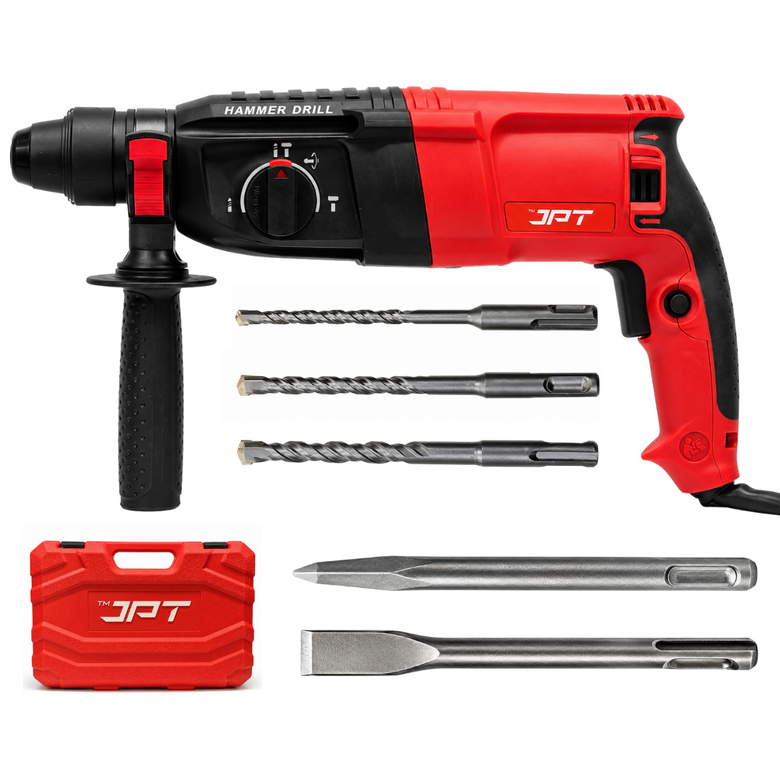
Decide Whether You Need a Hammer Drill
A standard drill driver spins the bit. A hammer drill spins the bit and moves it forward in small, rapid impacts. This impact action helps drill into masonry.
Choose a hammer drill if you plan to drill into:
- Brick
- Concrete block
- Stone
- Mortar
- Some types of tile
You do not need hammer mode for ordinary wood, plastic, or metal. In fact, using it on those materials can cause unnecessary vibration and damage.
A hammer drill is not the same as a rotary hammer. A hammer drill is suitable for small holes and occasional masonry work. A rotary hammer is larger and designed for repeated drilling into hard concrete and masonry.
If your home has brick walls and you want to mount shelves, a cordless hammer drill may be useful. If you only need to hang a picture once, a standard drill and the right wall anchor may be enough.
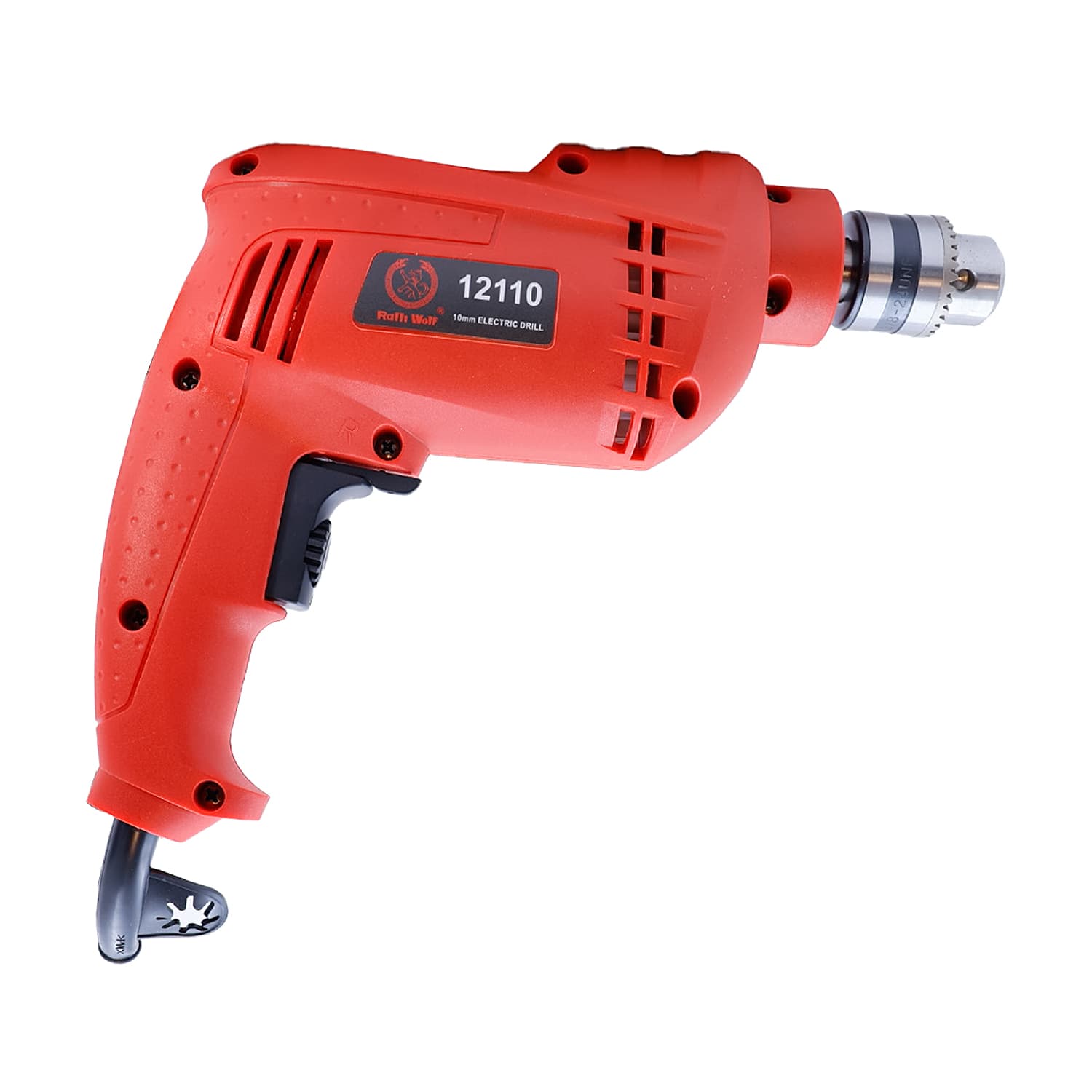
Select the Right Drill Bits and Accessories
A good drill cannot perform well with poor or unsuitable bits. The bit must match the material and the fastener.
Basic bit types include:
- Twist bits: General-purpose bits for metal and plastic
- Brad-point bits: Clean holes in wood
- Spade bits: Fast drilling of larger holes in wood
- Masonry bits: Drilling into brick, block, and concrete
- Glass and tile bits: Designed for fragile surfaces
- Driver bits: Turning Phillips, slotted, Torx, and hex screws
For home use, start with a mixed bit set. Make sure it includes common driver sizes and several wood, metal, and masonry bits.
Avoid forcing a dull bit through a surface. It creates heat, slows the job, and can damage the drill motor. Replace bits when they become dull, chipped, or visibly worn.
A magnetic bit holder can also make screw driving easier. It helps hold the screw in place, especially when working overhead.
Consider Brand, Warranty, and Tool Quality
Brand reputation matters, but it should not be the only deciding factor. A reliable drill should have a solid chuck, smooth controls, a strong battery connection, and clear warranty information.
Before buying, check:
- Length of the warranty
- Availability of replacement batteries
- Cost of service or repairs
- Customer reviews from verified buyers
- Availability of compatible accessories
- Return policy from the seller
Be careful with extremely cheap kits that include many accessories. A large case full of bits does not guarantee a quality drill. Sometimes a basic tool from a respected product line is a better investment than a low-cost kit with weak batteries.
Look for reviews that discuss long-term use, chuck wobble, battery life, heat, and comfort. A review that only praises the packaging may not tell you much about performance.
Independent safety guidance consistently stresses the importance of using the correct bit, wearing eye protection, and following the tool maker’s instructions. These details matter more than flashy marketing claims.
Set a Realistic Budget
The best drill for home use does not need to be the most expensive model. Set a budget based on how often you will use it and what materials you expect to drill.
A basic household drill may be enough if you only assemble furniture and hang shelves. A mid-range brushless drill may be worthwhile if you remodel rooms or build projects every month.
Your total cost may include:
- The drill
- One or two batteries
- A charger
- Drill and driver bits
- A carrying case
- Wall anchors
- Replacement batteries later
A low purchase price can become expensive if batteries are hard to find or the charger fails. Compare the complete kit rather than the tool body alone.
When I help friends choose tools, I often suggest spending slightly less on extra accessories and more on the drill, battery, and charger. A small set of good bits is more useful than a huge set of bits that become dull after a few jobs.
Avoid Common Buying Mistakes
Knowing what not to buy is an important part of learning how to buy a drill for home use. Many poor purchases happen because shoppers focus on one feature instead of the complete tool.
Avoid these mistakes:
- Buying the highest voltage without considering weight
- Choosing a drill with only one speed
- Ignoring the cost of replacement batteries
- Buying a hammer drill when a standard drill is enough
- Selecting a tool that feels uncomfortable
- Using a drill without an adjustable clutch
- Choosing a kit based only on the number of accessories
- Forgetting to check the chuck size
- Buying bits that do not match your materials
- Ignoring the return policy and warranty
Another common mistake is buying an impact driver instead of a drill driver. An impact driver is excellent for driving long screws and bolts, but it is not the best tool for delicate drilling or small household tasks.
If you need both tools, many manufacturers sell combo kits. If you need only one, choose a drill driver for general home use.
Use Your Drill Safely
A drill is simple to operate, but it can still cause injury or damage. Safe habits protect your eyes, hands, materials, and tool.
Follow these basic practices:
- Wear safety glasses when drilling
- Keep loose clothing and hair away from the chuck
- Remove the battery before changing bits
- Secure the workpiece with a clamp when possible
- Check walls for wires and pipes before drilling
- Use the correct bit for the material
- Keep both hands stable when using high torque
- Let the bit cool if it becomes very hot
- Do not force the tool through the material
- Store batteries in a cool, dry place
The Occupational Safety and Health Administration recommends proper eye protection when flying particles may be present. It is also wise to keep the drill manual nearby, especially when using clutch, hammer, or special speed settings.
A drill should feel controlled. If it jerks, smells hot, sparks heavily, or makes a new grinding sound, stop using it and inspect the tool.
A Simple Buying Checklist
Use this checklist before you place an order. It can help you compare models without getting distracted by advertising.
- Identify the materials you will drill.
- Choose cordless or corded power.
- Select 12 volts for light work or 18 to 20 volts for heavier tasks.
- Look for a keyless chuck.
- Choose a 3/8-inch chuck for general use or a 1/2-inch chuck for larger bits.
- Confirm that the drill has variable speed and an adjustable clutch.
- Compare battery capacity, charger speed, and replacement costs.
- Hold the drill or check its weight and balance.
- Decide whether hammer mode is necessary.
- Check warranty coverage and return terms.
- Buy bits that match wood, metal, masonry, or tile.
- Choose the model that feels comfortable, not simply the one with the biggest numbers.
This process makes how to buy a drill for home use much simpler. You are not searching for one perfect drill. You are matching a tool to your actual needs.
Frequently Asked Questions
What type of drill is best for basic home use?
A cordless drill driver with a 12-volt or 18-volt lithium-ion battery is a strong choice for most household tasks. Look for variable speed, an adjustable clutch, a keyless chuck, and a comfortable grip.
Is a 12-volt drill powerful enough for home projects?
Yes, a quality 12-volt drill can handle furniture assembly, shelves, cabinet work, pilot holes, and many repairs. Choose an 18- or 20-volt model if you often drill thick wood, drive long screws, or work for long periods.
Should I buy a drill or an impact driver?
Buy a drill driver if you want one versatile tool for drilling holes and driving normal screws. Choose an impact driver for frequent use with long screws, lag bolts, or heavy fastening, but remember that it offers less control for delicate drilling.
Do I need a hammer drill at home?
You need a hammer drill only if you plan to drill into brick, concrete block, stone, or similar masonry. A standard drill is usually better for wood, metal, plastic, and general repairs.
Is a brushless drill worth the extra money?
A brushless drill can be worth it if you use the tool often because it typically offers better efficiency, less heat, and longer motor life. For occasional light use, a quality brushed drill may provide better value.
How much should I spend on a home drill?
The right budget depends on how often you will use the tool and whether you need batteries and accessories. Compare the full kit cost, warranty, battery availability, and comfort instead of choosing only by the lowest price.
What drill bits should a homeowner buy first?
Start with a mixed set containing wood, metal, and masonry bits, along with common Phillips, slotted, Torx, and hex driver bits. Buy better bits as needed for special materials such as tile, glass, or thick metal.
Conclusion
The best way to buy a drill for home use is to match the tool to your projects, materials, comfort, and budget. For most people, a cordless drill driver with a lithium-ion battery, keyless chuck, variable speed, and adjustable clutch is a practical starting point.
Choose 12 volts for light household work and 18 to 20 volts for heavier jobs. Consider a hammer drill for masonry, a brushless motor for frequent use, and a second battery for convenience. Most importantly, do not overlook balance, warranty coverage, battery cost, and safety features.
Use the checklist above before shopping, compare complete kits, and choose the drill that feels like a helpful partner rather than a heavy burden. Share your project plans or tool-buying questions in the comments, and explore more home improvement guides before starting your next repair.