A candle warmer melts scented wax with gentle heat, releasing fragrance without burning a wick.
If you have wondered how does candle warmer work, the answer involves controlled heat, melted wax, and fragrance oils. Unlike a lit candle, a warmer uses a hot plate or warming lamp to heat the wax without producing a flame. This guide explains the science, types, benefits, safety limits, and practical tips so you can use one with confidence.
:max_bytes(150000):strip_icc()/luxury-candle-warmer-shutterstock-0321-2000-596aee3d77154686a9a34719c9bc9a5b.jpg)
How Does Candle Warmer Work?
A candle warmer applies low, steady heat to a scented candle. The heat melts the wax, and the melted wax releases fragrance into the air. Since there is no flame, the wick does not burn and no soot forms from combustion.
Most candle warmers use one of two heating methods:
• A hot plate warms the candle from below.
• A warming lamp heats the candle from above.
Both methods turn solid wax into liquid wax. The liquid wax then allows fragrance molecules to escape, much like steam rises from a warm cup of tea. The warmer does not burn the wax. It only heats it enough to release the scent.
The basic process looks like this:
-
You place a candle on the warmer.
-
The warmer produces heat through a plate or bulb.
-
The wax softens and melts.
-
Fragrance oils move into the air.
-
The room slowly fills with scent.
A candle warmer works best when the heat is strong enough to melt the wax but not so strong that it overheats the container. Good models often include a thermostat, timer, dimmer, or automatic shutoff.

Types of Candle Warmers
Understanding the main types makes it easier to choose the right product. Each style uses the same basic idea, but the heat source and user experience differ.
Hot Plate Candle Warmers
A hot plate warmer has a flat heated surface. You place a jar candle directly on top of it. The plate warms the container base, which melts the wax from the bottom upward.
Hot plate models are often simple and affordable. They may also work with some wax containers, mugs, or compatible wax melts. However, the candle jar can become quite warm, so it should sit on a stable, heat-safe surface.
Candle Warming Lamps
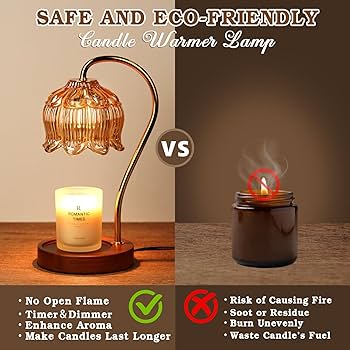
A candle warming lamp hangs or stands above the candle. Its bulb shines heat downward and melts the wax from the top. Many lamp-style warmers also include a timer and brightness control.
These models can look like home décor. They are useful when you want to see the candle while it warms, but the bulb may need replacement over time. Always use the bulb type and wattage recommended by the manufacturer.
Electric Wax Warmers
Some electric wax warmers use a small dish instead of a candle jar. You place wax melts in the dish, and a heating element melts them. These are not always called candle warmers, but they use the same heat-and-release principle.
They are convenient when you do not want to warm a full candle. They also make it easy to change scents between uses.
:max_bytes(150000):strip_icc()/SPR-candle-warmer-vs-burning-8728996-hero-554e650136db4ba1a7793da6d590d4d6.jpg)
What Happens to the Wax and Fragrance?
Candle wax usually contains a blend of wax, fragrance oil, and sometimes color. Common wax types include paraffin, soy, coconut, beeswax, and blended waxes. Each type melts at a different temperature.
When heat reaches the wax, its solid structure breaks down and becomes liquid. The fragrance oil mixes into the liquid wax. As the mixture warms, some fragrance molecules evaporate into the room.
The wax itself usually stays in the container. This is the key difference between warming and burning a candle:
• Burning uses a flame to consume wax vapor.
• Warming uses heat to release fragrance without combustion.
Because the wax does not burn, a candle warmer may leave a pool of melted wax behind. Over time, the fragrance can become weaker even though plenty of wax remains. This happens because the more volatile fragrance compounds leave the wax first.
A useful practical tip is to remove some old wax when the scent becomes faint. Turn off the warmer, let the wax cool until it is slightly soft, and follow the candle maker’s care instructions. Never pour melted wax into a sink, because it can harden inside the drain.
How Long Does a Candle Warmer Take to Melt Wax?
The melting time depends on the warmer’s heat, the candle size, the wax type, and the room temperature. A small candle may begin melting within 15 to 30 minutes. A large jar can take one to several hours to melt across the top.
Top-down warming lamps usually melt the upper layer first. Hot plate warmers often melt wax from the bottom upward. A candle may smell strong before the entire surface becomes liquid.
You do not always need to wait for the whole candle to melt. Start with a short session and check the scent level. If the fragrance feels too strong, reduce the heat or use the warmer’s timer.
In my practical testing approach, one mistake stands out: people often turn the heat to its highest setting because they want faster results. That can make the container hot, waste fragrance, and create an unpleasantly strong scent. Gentle, steady heat is usually the better choice.
Benefits of Using a Candle Warmer
A candle warmer can offer several benefits when used correctly. These benefits explain why many people choose warmers for bedrooms, offices, living rooms, and apartments.
No Open Flame
The main benefit is the lack of an open flame. This can reduce the risk linked to a burning wick, especially around children, pets, curtains, books, and other household items.
However, no flame does not mean no risk. The warmer still produces heat and uses electricity. It needs the same careful placement as any other heated appliance.
Less Soot and Smoke
A burning candle can release soot when the wick is too long, the flame flickers, or the candle burns unevenly. A candle warmer does not burn the wick, so it avoids smoke and flame-related soot.
This may help keep nearby walls and ceilings cleaner. It can also be useful for people who prefer fragrance without visible smoke.
Longer Candle Use
Warming may help you enjoy a candle without consuming the wax through combustion. The wax remains in the jar, so the candle can last longer in terms of material use.
Still, the fragrance does not last forever. Once the scent oils are depleted, heating the remaining wax will not restore the original fragrance.
Easier Scent Control
Many warmers include timers, dimmers, or temperature controls. These features let you adjust the scent to suit the room.
A timer is especially useful if you tend to forget appliances after leaving the room. It cannot replace supervision, but it adds an extra layer of protection.
Decorative Design
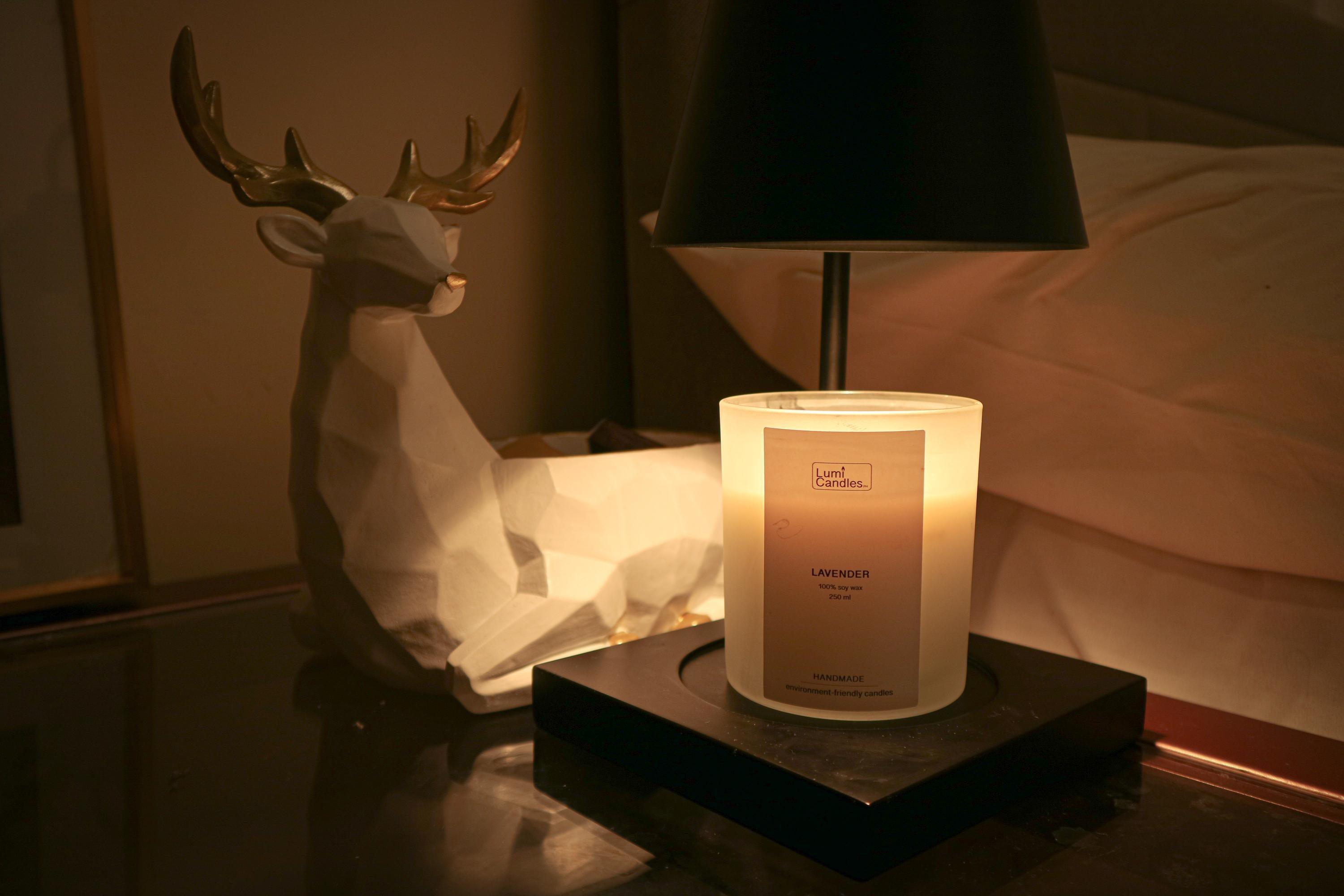
Warming lamps often look like small lamps or home accents. They can add a warm visual touch without the need for a flame. This makes them popular in cozy spaces, reading corners, and seasonal displays.
Candle Warmer vs. Burning a Candle
A candle warmer and a traditional candle create fragrance in different ways. Neither method is perfect for every situation.
| Feature | Candle warmer | Burning candle |
|---|---|---|
| Heat source | Hot plate or lamp | Open flame |
| Wax use | Wax melts but is not burned | Wax is consumed |
| Smoke | Usually no smoke from combustion | May produce smoke |
| Soot | Much less combustion soot | Possible soot |
| Ambiance | Some lamps provide light | Provides a visible flame |
| Main risk | Hot surface and electricity | Flame, heat, and fire |
| Fragrance release | Gradual and steady | Often faster and stronger |
A lit candle may create a stronger sense of atmosphere because of its flame. A warmer may be better when you want scent without combustion. Your choice depends on the room, your habits, and how carefully you can supervise the device.
Neither option should be treated as completely risk-free. Fire safety guidance recommends keeping candles away from items that can burn and never leaving them unattended. Electrical warmers also need proper use and safe placement.

Are Candle Warmers Safe?
Candle warmers are generally safe when used according to their instructions. They still involve heat, glass, wax, and electricity, so careless use can cause burns, spills, or electrical problems.
Follow these safety practices:
• Place the warmer on a flat, stable, heat-resistant surface.
• Keep paper, fabric, curtains, and other flammable items away.
• Do not touch the candle jar immediately after use.
• Keep children and pets away from the warmer.
• Do not move a jar while the wax is fully liquid.
• Use the correct bulb, power rating, and replacement parts.
• Inspect the cord and plug before each use.
• Stop using the warmer if the cord, housing, or container becomes damaged.
• Use a timer when available, but do not rely on it as your only safety measure.
• Follow the candle and warmer manufacturer’s instructions.
Glass deserves special attention. A jar made for a burning candle may not be designed for prolonged bottom heat or uneven heating. If the container shows cracks, chips, discoloration, or unusual swelling, stop using it.
Some candle makers approve their jars for warming, while others do not. When the instructions are unclear, use a purpose-made warming container instead of guessing.

Common Mistakes to Avoid
Knowing how does candle warmer work is useful, but correct habits matter just as much. These common mistakes can reduce performance or create safety problems.
Using Too Much Heat
High heat may melt wax quickly, but it can also overheat the jar and release fragrance too fast. Start at a low or medium setting when the warmer allows adjustment.
Leaving the Warmer Unattended
A warmer has no flame, but it can still become hot. Unplug it when you leave home, go to sleep, or cannot monitor it.
Mixing Different Scents
Adding a new fragrance to old wax can create a strange blend. If you want a clean scent change, remove the old wax first and wipe the dish or container only after it has cooled.
Placing It Near Water
Keep the warmer away from sinks, humidifiers, bathtubs, and wet countertops. Electricity and water are a dangerous combination.
Moving Melted Wax
Liquid wax can spill easily and cause burns. Wait until it becomes solid or nearly solid before moving the candle.
Assuming All Candles Are Compatible
Some jars may crack under heat. Check the product directions and avoid using thin glass, damaged glass, plastic containers, or decorative vessels that were not made for heat.

How to Get the Best Scent From a Candle Warmer
A few simple adjustments can improve scent quality and reduce waste.
-
Place the warmer in a smaller or medium-sized room. Large open areas can weaken the scent.
-
Keep doors and windows mostly closed while the fragrance develops.
-
Start with a short warming session, such as 30 to 60 minutes.
-
Use a timer if the warmer has one.
-
Lower the heat when the fragrance becomes strong.
-
Remove old wax when the scent fades.
-
Clean removable warmer dishes after they cool.
-
Store unused candles in a cool, dark place with the lid on.
Ventilation still matters. Fragrance products can bother people with asthma, allergies, migraines, or scent sensitivity. If anyone feels dizzy, develops a headache, or has breathing discomfort, turn off the warmer and improve airflow.
Essential oils and fragrance oils are not identical. A candle labeled with essential oils can still contain other ingredients, and “natural” does not automatically mean safe for every person or pet. Read the label and use good judgment.
Environmental and Practical Limits
A candle warmer may reduce some emissions linked to burning a wick, but it still uses electricity. Its environmental impact depends on the warmer’s power draw, how long it runs, the candle container, and the energy source in your area.
It also does not make every candle last forever. The wax remains, but fragrance gradually decreases. At some point, the candle may look full while producing little scent.
Another limit is scent distribution. A warmer does not actively circulate fragrance throughout a large home. Fans, open layouts, high ceilings, and strong ventilation can all reduce the noticeable aroma.
For the best balance, use the lowest setting that gives enough scent, run it for a limited time, and recycle or reuse the empty container when possible. These small choices help reduce waste without making unrealistic claims about sustainability.
Frequently Asked Questions About How Does Candle Warmer Work
How does a candle warmer work without a flame?
A candle warmer uses an electric heating element or bulb to melt scented wax. The heat releases fragrance into the air without burning the wick or creating combustion.
Does a candle warmer use up the wax?
A candle warmer melts the wax but does not normally consume it like a flame does. The fragrance oils can become depleted over time, so the wax may remain while the scent becomes weak.
Is a candle warmer safer than a lit candle?
A warmer removes the open-flame risk, but it still has hot surfaces, electricity, and sometimes heated glass. Use it on a stable surface, keep it away from flammable items, and never treat it as completely risk-free.
Can you use any candle on a candle warmer?
Not always. Check the warmer and candle instructions, and avoid damaged jars, thin glass, plastic containers, or vessels not designed for heat.
How long should you leave a candle warmer on?
Use the shortest time that provides enough fragrance, often between 30 minutes and a few hours depending on the device. Follow the manufacturer’s directions, use a timer when available, and turn it off before leaving the area.
Does a candle warmer remove soot?
Because it does not burn the wick, a candle warmer does not create wick-combustion soot. It cannot remove soot that already exists on a jar, wall, or nearby surface.
Can a candle warmer cause a fire?
A properly used warmer has a lower fire risk than an open flame, but it can still overheat or cause problems if damaged, covered, placed near flammable objects, or used incorrectly. Inspect the device and follow its safety instructions.
Conclusion
A candle warmer works by applying controlled heat to scented wax. The wax melts, fragrance oils evaporate, and the room fills with scent without a burning wick or open flame. Hot plate warmers heat from below, while warming lamps heat from above.
The safest approach is simple: choose a compatible candle, use gentle heat, place the warmer on a stable surface, watch the container, and turn the device off when you leave. Now that you understand how does candle warmer work, you can choose the right style and enjoy your favorite scents more carefully. Explore manufacturer guidance for your specific model, and share your favorite candle-warming tips in the comments.