Display baseball caps on wall hooks, pegboards, shelves, racks, or shadow boxes to keep them organized and easy to admire.
Learning how to display baseball caps well is part storage, part design, and part preservation. The right setup protects the cap’s shape, keeps logos visible, and turns a personal collection into a clean feature in your room. This guide shares practical display ideas, common mistakes, care tips, and simple methods for every space and budget.
How to Display Baseball Caps: Start With Your Collection
Before deciding how to display baseball caps, look at the size, value, and style of your collection. A few everyday hats need a different system than dozens of signed, vintage, or limited-edition caps.
Group your caps by purpose. You might have game-day hats, team caps, work hats, travel souvenirs, and rare pieces. This makes the display easier to plan and helps you avoid placing a valuable vintage cap in a busy area where it may collect dust or suffer damage.
Consider these questions:
• How many caps do you own?
• Do you want every logo to face forward?
• Will you wear the caps often?
• Are any caps signed, vintage, or valuable?
• How much wall, shelf, or closet space do you have?
• Will children or pets be able to reach the display?
For daily-use caps, convenience matters most. A row of hooks near the door may work better than a glass case. For rare caps, protection matters more than quick access.
I have found that the best displays balance beauty and use. A collection should look intentional, but it should not feel like a museum if you wear the hats every week.
Choose the Best Location
The location can make or break your cap display. A strong display area is easy to see, easy to reach, and safe from heat, moisture, and direct sun.
Avoid placing caps in direct sunlight for long periods. Ultraviolet light can fade fabric and printed logos over time. A sunny wall may look attractive at first, but it can slowly bleach the colors of your favorite team cap.
Keep caps away from damp rooms. Bathrooms, laundry rooms, and poorly ventilated basements can encourage mildew and create musty odors. A dry bedroom, hallway, office, or closet is usually a better choice.
Think about the wall behind the display. A plain wall helps colorful caps stand out. A dark wall can make white logos pop, while a light wall may create a cleaner and softer look.
Good locations include:
• An entryway for everyday hats
• A bedroom wall for a personal collection
• A home office for team or brand caps
• A game room for sports memorabilia
• A closet door for space-saving storage
• A hallway for a large visual display
When learning how to display baseball caps, also check the wall material. Drywall may need anchors, while brick, concrete, and wood require different hardware. Use hardware that matches the weight of the caps, hooks, and mounting board.

Use Wall Hooks for Simple, Flexible Display
Wall hooks are one of the easiest ways to display baseball caps. They are affordable, simple to install, and easy to rearrange when your collection grows.
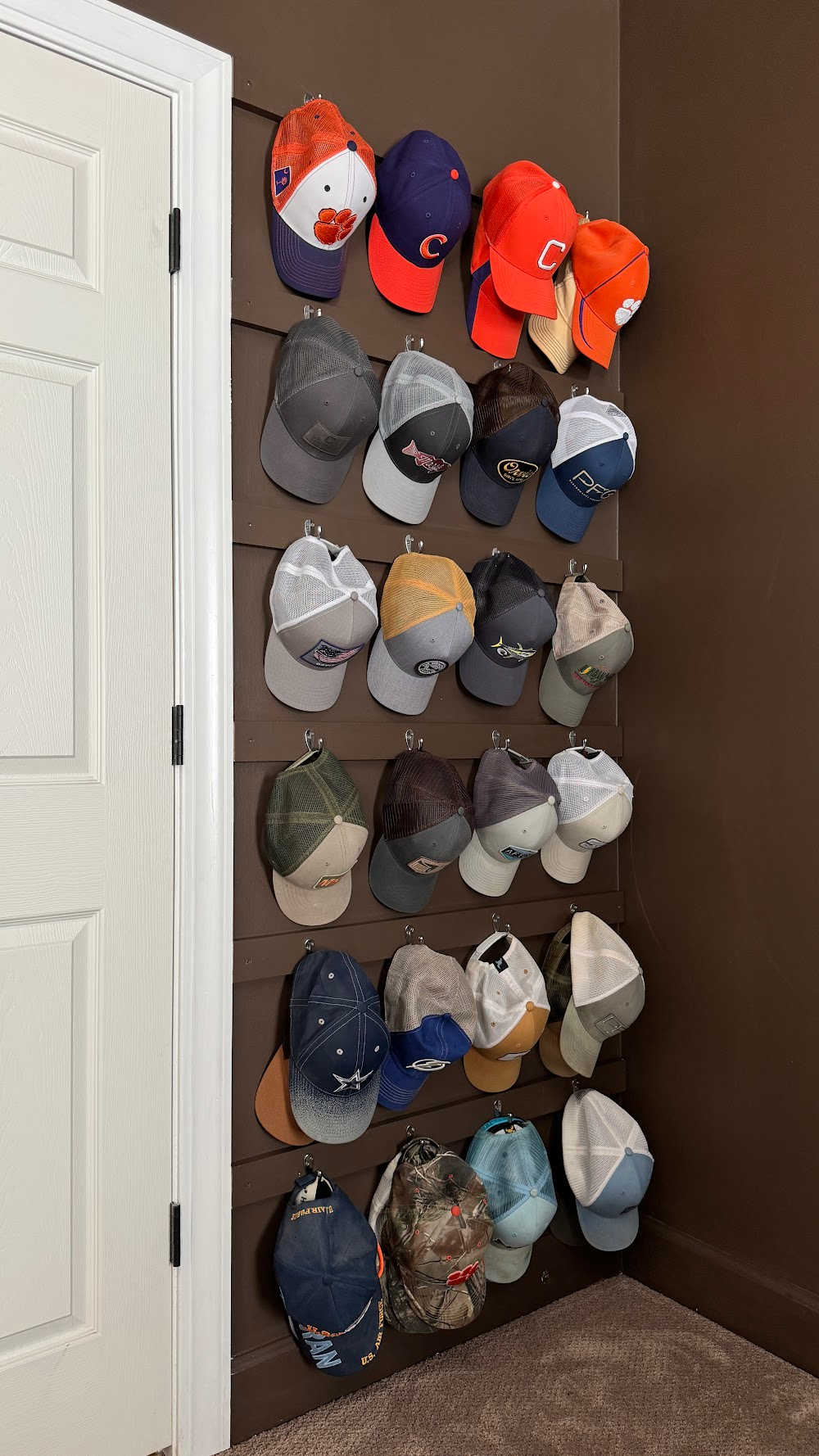
Single hooks let you place each cap at an even distance. This creates a neat grid or row. Small hooks also keep the display light and open, which works well in modern rooms.
You can use:
• Small coat hooks
• Removable adhesive hooks
• Cup hooks
• Decorative wall pegs
• Individual cap hooks
• Over-the-door hooks
Choose a hook with a rounded end. Sharp edges can scratch metal details, catch fabric, or leave pressure marks. The hook should support the cap without stretching the back strap.
For a clean look, measure the space between each hook before drilling. A gap of about 6 to 10 inches often gives caps enough room without making the wall look empty. Adjust the spacing based on the cap’s size and the shape of your wall.
Adhesive hooks work well for light caps and rental homes. However, they may fail on dusty, textured, or damp walls. Always follow the product instructions and test one hook before creating a full display.
A useful lesson from setting up cap walls is that uneven spacing looks more noticeable than expected. Measure twice. Your eyes will quickly spot a crooked row.
Try a Pegboard for a Growing Collection
A pegboard offers one of the most flexible answers to how to display baseball caps. You can move the hooks, add new rows, and change the layout without drilling many new holes.
Paint the pegboard to match your room. White creates a bright, simple background. Black gives a sports room a bold look. Natural wood adds warmth and works well in an office or bedroom.
Use pegboard hooks with rounded ends. Place one hook under each cap or use two hooks to support the lower sides of a cap. Two-point support can help keep some structured caps from tilting.
A pegboard also gives you room to display related items, such as:
• Baseballs
• Team pennants
• Photos
• Ticket stubs
• Signed cards
• Small bats
• Framed jerseys
Do not overcrowd the board. Empty space acts like a frame around each item. If every inch is full, the collection may look messy instead of curated.
Pegboards are especially useful for renters and collectors who often change their display. They also make it easy to separate everyday caps from special pieces.

Display Caps on Shelves
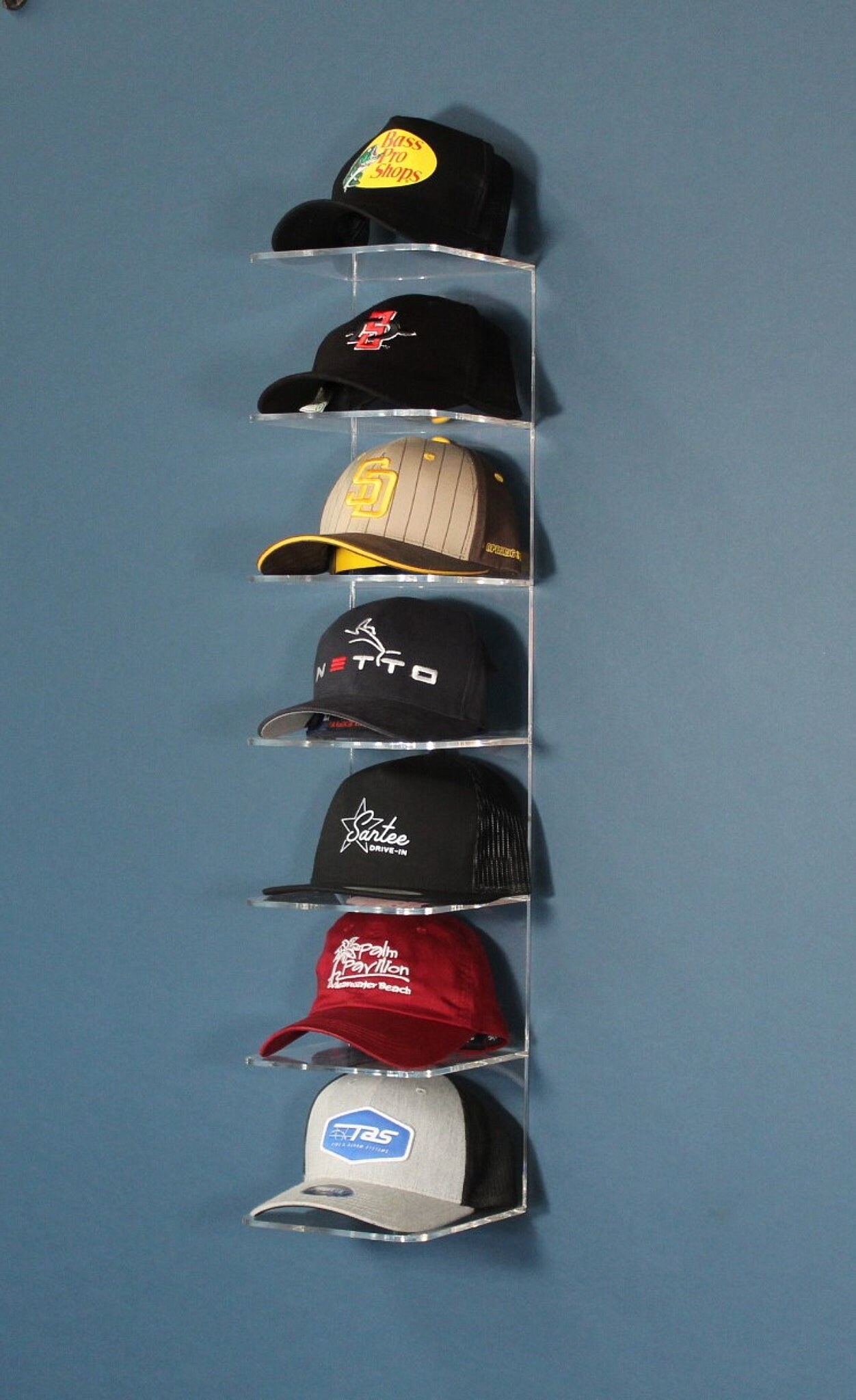
Shelves are a good choice when you want to display baseball caps with other objects. A shelf can hold caps, framed photos, baseballs, books, and small sports equipment in one arrangement.
Place caps with the front panel facing outward. You can stand them upright, stack them in a small group, or place them over simple display forms. Avoid tall stacks because the lower caps may become crushed or lose their shape.
A floating shelf creates a clean, modern look. A bookcase gives you more storage and makes it easier to organize caps by team, color, or season.
Use shelf liners or soft fabric under valuable caps. This can reduce sliding and limit friction. Keep the shelf away from heating vents, radiators, and windows with strong afternoon sun.
For a balanced arrangement, place taller objects on one side and lower objects on the other. Repeat colors across the shelf so the display feels connected.
When deciding how to display baseball caps on shelves, remember that visibility matters. Do not hide the front logo behind another object. Your best cap should be easy to see at a glance.

Create a Cap Display Rack
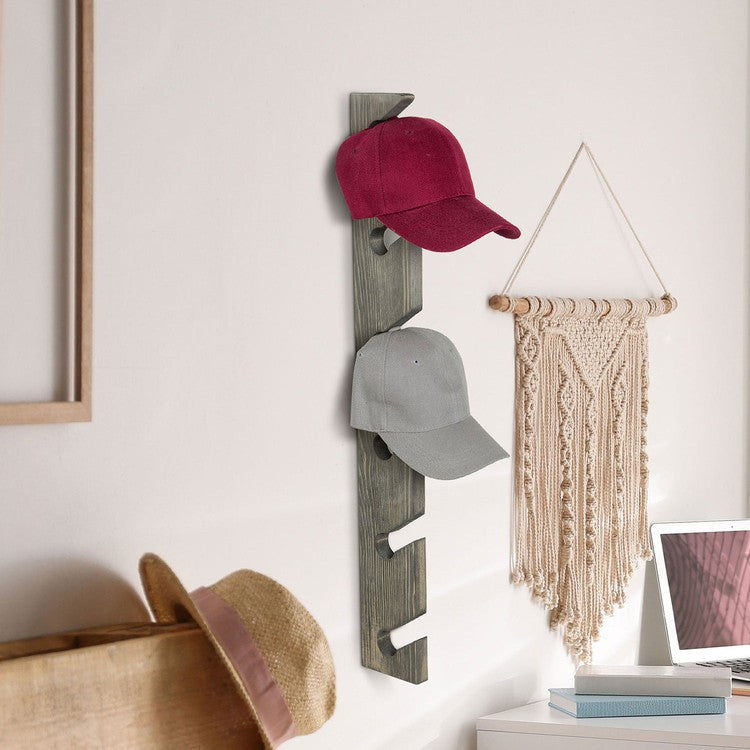
A cap rack is useful when you want organized storage without covering a large wall. Racks can hang over a door, attach to a closet wall, or stand on the floor.
Over-the-door racks are helpful in small rooms. They use unused space and often hold several caps. Check that the door can still close without pressing the caps against the frame.
Freestanding racks work well in bedrooms, dressing areas, and sports rooms. Choose a rack with smooth bars and enough space between levels. Tight spacing can bend the cap crown or make the logos hard to see.
You can also use a narrow rail with clips. This gives the display a casual, shop-like feel. However, avoid strong clips that pinch the fabric or leave deep marks.
A rack makes it easy to rotate your collection. Keep the caps you wear most often at eye level. Store seasonal or special caps on higher levels, where they are less likely to be touched.

Use a Shadow Box for Valuable or Signed Caps
A shadow box offers the safest way to display baseball caps that are signed, rare, or emotionally important. It protects the cap from dust and accidental contact while keeping it visible.
Choose a deep frame that does not force the cap against the glass. The cap should sit naturally, with enough space around the crown and brim. Acid-free backing materials are preferred for long-term memorabilia displays because poor materials may contribute to discoloration over time.
Keep signed caps away from strong light. Ink can fade, especially when exposed to repeated sunlight. If possible, use low-UV glazing and place the frame in a room with controlled lighting.
Before framing a cap, make sure it is clean and fully dry. Do not seal moisture inside the case. If the cap has mold, a strong odor, or serious stains, seek advice from a professional textile or memorabilia conservator.
A shadow box costs more than hooks, but it can protect the piece that matters most. Use it for your best item rather than every cap in your collection.
Arrange Caps for a Better Visual Effect
Good cap displays use rhythm, balance, and contrast. You do not need professional design training. A few simple choices can make the collection look polished.
Try one of these layouts:
• A straight row for a clean and modern style
• A grid for a neat collector’s display
• A color gradient from light to dark
• A team-by-team arrangement
• A circular layout around a central object
• A relaxed gallery wall with mixed sizes
Keep the brims facing the same direction when you want a tidy look. For a more casual display, vary the angles slightly but keep the overall layout balanced.
Use odd-numbered groups when placing caps on shelves. Groups of three or five often feel more natural than large, even clusters. This is a design preference, not a strict rule.
Leave a little space between caps. Crowding makes it hard to see the details and can cause the brims to touch. Think of each cap as a small piece of artwork that needs room to breathe.
Color can also guide the eye. Place a bright red or blue cap near the center, then repeat that color elsewhere in the room with a pillow, print, or small object.

Protect the Shape and Condition of Your Caps
A display should protect caps, not just show them. Fabric, stitching, foam, cardboard, leather, and plastic parts can all react differently to heat, moisture, pressure, and light.
Follow the care label when washing a cap. Some modern cotton or synthetic caps can be spot-cleaned with mild soap and cool water. Older caps may have materials that should not be soaked.
Before displaying a cap:
-
Remove dust with a soft brush or clean cloth.
-
Check for moisture, stains, and odors.
-
Let the cap air-dry fully if it has been cleaned.
-
Shape the crown gently by hand.
-
Place it on a smooth hook, shelf, or display form.
-
Check the cap every few months.
Do not use a clothes dryer for a structured cap unless the manufacturer specifically allows it. Heat can shrink fabric, soften adhesives, and warp the brim.
Avoid folding caps flat for long periods. Repeated pressure may leave permanent creases. If you stack caps, place softer or less valuable caps at the bottom and keep the stack low.
For older or valuable caps, use conservation-safe materials and limit handling. Textile experts generally recommend stable temperature, low humidity, reduced light, and clean storage for sensitive items. Home conditions vary, so professional advice is wise when a cap has high financial or sentimental value.
Keep the Display Clean and Safe
Dust is one of the most common problems in an open cap display. It can settle into stitching, absorb odors, and make the collection look dull.
Dust caps every few weeks with a soft brush or microfiber cloth. Work gently around embroidered logos. Do not scrub raised stitching because repeated friction can loosen threads.
Inspect the wall hardware from time to time. Hooks can loosen, adhesive can weaken, and shelves can shift. A quick check may prevent a collection from falling.
Keep displays away from:
• Open flames
• Damp windows
• Strong heating vents
• Direct sunlight
• High-traffic corners
• Areas where pets can pull at the caps
If you live in a humid climate, improve air movement and avoid sealing damp caps in boxes. A small room monitor can help you notice unusual humidity changes, though the ideal setting depends on the building and local climate.
The best answer to how to display baseball caps includes regular care. A display is not finished when it goes on the wall. It needs small checks to stay attractive and safe.
Common Mistakes to Avoid
Many cap display problems come from using the wrong hardware or placing caps in the wrong environment. These mistakes are easy to prevent.
• Hanging heavy caps on weak adhesive hooks can cause falls and damage.
• Placing caps in direct sunlight can fade colors and signatures.
• Packing too many caps into one area hides the designs.
• Using sharp hooks can catch or tear fabric.
• Stacking caps too high can crush the lower crowns.
• Displaying damp caps can create mildew and odors.
• Using strong cleaning chemicals can damage color and stitching.
• Pressing caps tightly against glass can flatten the shape.
• Mounting hooks without checking wall studs or anchors can lead to loose hardware.
One mistake I often see is choosing a display based only on appearance. A dramatic wall may be hard to clean or may expose caps to light. The best setup looks good and supports the way you actually live.
Ask yourself whether you can remove a cap in a few seconds. If not, the display may be too complicated for everyday use.
How to Display Baseball Caps in Small Spaces
Small rooms still offer many ways to display baseball caps. The key is to use vertical space and hidden areas.
Try an over-the-door rack, a narrow wall rail, or hooks inside a closet door. You can also place a short row of hooks under a shelf or desk.
For a rental home, removable hooks and freestanding racks reduce wall damage. Follow the weight limit on removable products, and remove them slowly according to the instructions.
A small display can look intentional when you limit the visible collection. Keep five to ten favorite caps on the wall and store the rest in a clean, breathable container. Rotate the display every few months to make the room feel fresh.
You can also use a single statement cap in a frame. This works well when one cap has a special story, signature, or design.
How to Display Baseball Caps for a Store or Event
Retailers, sports clubs, and event organizers need displays that are fast to browse and easy to maintain. Customers should see the front logo, color, size, and price without touching every cap.
Use tiered racks or wall rails with consistent spacing. Group caps by team, brand, size, or collection. Keep new or limited items at eye level, but do not hide popular everyday styles on the top row.
For events, use lightweight grid panels or folding racks. Secure the base so the display does not tip when people browse. Avoid placing caps near walkways where they may be bumped.
Clear labels help customers understand the display. Include size details, material information, and care instructions when relevant.
Lighting should show the true color of the cap. Very hot lights may damage materials or make a small area uncomfortable. Soft, balanced lighting usually works better than harsh spotlights.
Frequently Asked Questions About How to Display Baseball Caps
What is the best way to display baseball caps on a wall?
Wall hooks, pegboards, and narrow rails are simple choices for most collections. Use rounded hardware, even spacing, and a location away from direct sunlight and moisture.
Is it better to hang or stack baseball caps?
Hanging usually keeps caps easier to see and reduces pressure on the lower caps. Stacking can save space, but keep the pile low and avoid crushing structured crowns.
How do you display baseball caps without damaging them?
Use smooth hooks, soft shelf surfaces, and display forms that support the cap without stretching it. Avoid sharp hardware, strong clips, direct sun, heat, and tight pressure against glass.
Can adhesive hooks hold baseball caps?
Adhesive hooks can hold light caps when attached to a clean, smooth wall. Check the weight limit, follow the installation instructions, and test one hook before building a large display.
How do you display signed baseball caps?
A deep shadow box with low-UV glazing offers strong protection for a signed cap. Keep it away from direct light, heat, moisture, and frequent handling because signatures can fade.
How often should you clean displayed baseball caps?
Dust an open display every few weeks or whenever you see buildup. Use a soft brush or cloth, and follow the care label before using water or cleaning products.
How do you keep baseball caps from losing their shape?
Support the crown with a suitable form or use a hook that does not stretch the back opening. Avoid heavy objects on top of caps and do not fold structured caps flat for long periods.
Conclusion
The best way to display baseball caps depends on your space, collection size, and how often you wear each cap. Wall hooks, pegboards, shelves, racks, and shadow boxes can all work when they provide support, visibility, and protection.
Keep caps away from direct sunlight, heat, moisture, and sharp hardware. Leave enough space between pieces, clean them gently, and use protective framing for valuable or signed caps.
Start with one small area today. Choose your favorite caps, create an even layout, and adjust the display as your collection grows. Share your setup, explore more storage ideas, and let your cap collection become a feature that reflects your style.