
A door stopper works by creating friction, absorbing impact, or holding a door in a fixed position.
Understanding how does a door stopper work helps you choose the right type for your floor, wall, door, and daily needs. Some stoppers sit under the door, while others attach to the wall, floor, hinge, or door itself. Each design solves a different problem, from stopping a door from slamming to keeping it open for better airflow.
This guide explains the mechanics behind common door stoppers, their benefits and limits, installation tips, and mistakes to avoid. The goal is simple: help you select a door stopper that protects your home and works reliably.
What Is a Door Stopper?
A door stopper is a device that limits a door’s movement. It may stop the door from opening too far, prevent it from hitting a wall, or hold it open in one position.
The term “door stopper” covers several products. A rubber wedge under the door works differently from a spring stop attached to a baseboard. A magnetic holder also uses a different method from a hydraulic door closer.
Most door stoppers rely on one or more of these forces:
• Friction between the stopper and the floor
• Compression against the bottom of the door
• Impact absorption through rubber or soft plastic
• Mechanical resistance from a spring
• Magnetic attraction between two metal parts
• A physical barrier that blocks the door’s path
Learning how does a door stopper work starts with identifying which force the product uses.
How Does a Door Stopper Work?
A door stopper works by controlling the door’s motion. When a door swings, it creates force through its weight, hinges, and handle. The stopper meets that force and redirects, absorbs, or blocks it.
For example, a wedge door stopper slides beneath the door. Its angled shape creates pressure between the floor and the door’s bottom edge. The more firmly the wedge sits in place, the harder it becomes for the door to move.
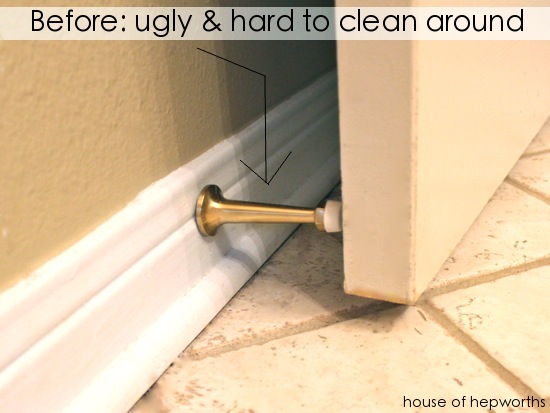
A wall-mounted stopper works in another way. It attaches to the wall or baseboard and uses a rubber tip to catch the door before the handle strikes the wall. The rubber tip softens the impact and reduces noise.
A floor-mounted stopper creates a fixed barrier. As the door opens, it contacts the stopper. The barrier prevents the door from moving beyond a set angle.
Here is the basic process:
-
The door begins to swing.
-
The stopper meets the door or its path.
-
Friction, compression, impact absorption, or magnetic force resists movement.
-
The door slows down or stops.
-
The stopper protects the wall, door, hinges, or nearby furniture.
The answer to how does a door stopper work depends on its design, material, mounting point, and the amount of force placed on it.

Common Types of Door Stoppers and Their Mechanisms
Wedge door stoppers
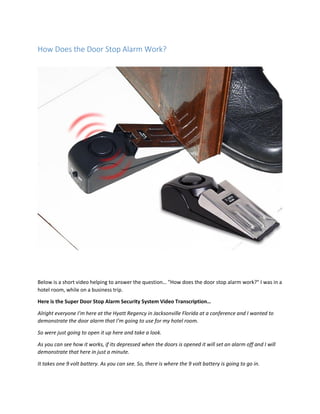
A wedge stopper slides under the door. Its sloped shape presses against the door and the floor at the same time.
Rubber and silicone wedges often grip smooth surfaces well. Wooden wedges may look attractive, but they can slide on tile, polished wood, or dusty floors.
Wedge stoppers are easy to move and require no tools. They work well for apartments, offices, bedrooms, and temporary needs. However, they may fail when the door has a large gap underneath or when the floor is wet or very smooth.
Wall-mounted door stoppers
A wall-mounted stopper attaches to a wall or baseboard. It usually has a metal body and a rubber cap.
When the door opens, the door or door trim touches the rubber cap. The stopper absorbs some impact and keeps the handle away from the wall.
This type is useful when the door swings close to a wall. Before installation, check the door handle’s position. A short stopper may protect the wall but still allow the handle to hit it.
Floor-mounted door stoppers
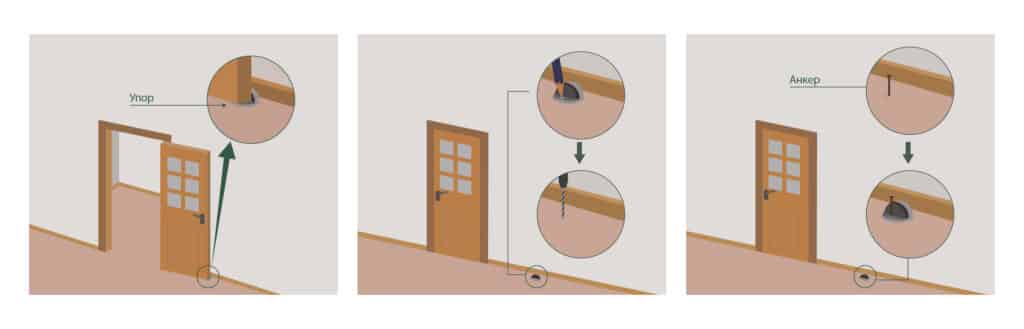
A floor-mounted stopper fastens to the floor with screws. It forms a solid barrier that limits the door’s swing.
These stoppers work well for heavy doors and busy areas. They are stronger than many wedge models, but drilling can damage flooring. On tile or stone, the wrong drill bit may crack the surface.
Position matters. If the stopper is too close to the hinge, the door may hit it with high force. If it is too far away, the handle or edge may still contact the wall.
Hinge-pin door stoppers
A hinge-pin stopper fits into the hinge area. Adjustable arms control how far the door can open.
This design is useful when you do not want to drill into a wall or floor. It is common on interior doors.
However, hinge-pin models can place extra stress on the hinge screws and door frame. They may also look less neat than a small wall or floor stopper.
Magnetic door holders
A magnetic door holder uses two parts. One part attaches to the door, and the other attaches to the wall or floor.
When the door opens, the magnets connect and hold it open. To close the door, you pull it away from the magnetic surface.
Magnetic holders are helpful in offices, kitchens, and accessible areas. They hold the door open more securely than a basic wedge, but the magnetic force may not overcome a strong door closer.
Spring door stoppers
A spring stopper has a flexible metal coil with a rubber tip. It compresses when the door touches it and then returns to its original shape.
The spring absorbs some impact. This helps reduce noise and protects the trim.
Spring models are affordable and simple, but repeated impacts can loosen their mounting screws. They also may create a bouncing sound when the door hits them.
Hydraulic door closers
A hydraulic door closer does more than stop a door. It controls the door as it opens and closes.
Inside the closer is a hydraulic fluid system. As the door moves, fluid passes through small valves. This controls the speed and force of the door.
Many commercial doors use closers because they help the door close fully. Some also limit the opening angle. Correct adjustment is important because excessive closing force can damage hardware or make the door difficult to use.
Why Do People Use Door Stoppers?
A door stopper protects more than the wall. It can protect the door, hinges, trim, furniture, and people nearby.
Common reasons to use one include:
• Preventing a door handle from damaging drywall
• Reducing slamming and loud impact
• Keeping a door open for ventilation
• Improving access for children, older adults, or people carrying items
• Protecting hinges from excessive opening force
• Limiting a door’s swing in a narrow hallway
• Keeping a door from moving in strong indoor drafts
In homes with pets, a door stopper can also prevent a door from closing on a cat or dog. Still, it should never replace supervision or a proper safety gate.
A door stopper is also useful during moving, painting, cleaning, and repairs. A simple wedge can keep a door open while you carry boxes through a room.

How Door Stoppers Control Force
To understand how does a door stopper work, it helps to understand door force. A moving door has energy. A heavy door, a fast swing, or a strong draft increases the force that the stopper must manage.
The stopper may respond in three main ways:
Friction
Friction resists sliding. Wedge stoppers depend heavily on friction between the stopper, door, and floor.
A dusty floor reduces grip. So can water, oil, wax, or a very smooth finish.
Compression
Compression happens when the stopper presses against the door or wall. Rubber tips compress slightly and spread the impact over a larger area.
This reduces sharp contact and helps prevent dents or scratches.
Mechanical blocking
A fixed stopper acts like a small wall. It does not need to grip the floor. It simply blocks the door from moving past a set point.
This is why floor and wall-mounted models often work better for heavy doors.
Magnetic holding
A magnetic door holder uses attraction between magnets or magnetic metal parts. The force holds the door open until someone pulls it away.
Magnetic force drops quickly as the gap increases. Even a small misalignment can reduce holding strength.

How to Choose the Right Door Stopper
The best door stopper depends on the door, floor, wall, and purpose. Do not choose only by appearance.
Consider these factors:
• Door weight: Heavy solid-core or metal doors need a strong mounted stopper.
• Floor type: Smooth tile may require rubber grip, while carpet may work with a wider wedge.
• Wall space: A wall-mounted model needs a suitable mounting point.
• Door clearance: Measure the gap under the door before buying a wedge.
• Swing direction: Check where the door travels and where the stopper can sit.
• Frequency of use: Busy doors need durable hardware.
• Noise needs: Rubber and hydraulic designs are quieter than hard metal contact.
• Safety needs: Avoid products that create a trip hazard in walkways.
For a light interior door, a wedge or hinge-pin model may be enough. For a heavy entry door, a floor-mounted or wall-mounted stopper is usually more dependable.
If the goal is to hold a door open, a magnetic holder may work better than a basic impact stopper. If the goal is to make the door close slowly, choose a door closer instead.

How to Install a Door Stopper
Installation varies by product, but the basic steps are similar.
-
Open the door slowly and identify the point where you want it to stop.
-
Check that the handle will not touch the wall before the stopper engages.
-
Mark the mounting location.
-
Confirm that electrical wires, pipes, or heating lines are not behind the drilling area.
-
Use the correct drill bit and anchors for the wall or floor material.
-
Attach the stopper without overtightening the screws.
-
Open the door several times and test the contact point.
-
Adjust the position if the door still hits the wall or the stopper receives too much force.
For a wall-mounted model, attach it to a solid stud when possible. If no stud is available, use anchors rated for the wall material and expected load.
For tile, porcelain, or stone, use a suitable masonry or tile bit. Drill slowly, avoid hammer mode at first, and follow the hardware instructions.
One lesson I have seen repeatedly during door repairs is that placement matters more than people expect. A stopper can be strong and still fail if it catches the door too late. Testing the swing before drilling prevents many unnecessary holes.

Common Door Stopper Problems
Even a good stopper can fail when the setup is wrong.
The wedge keeps sliding
Clean the floor and the bottom of the door. Remove wax, dust, and moisture. A rubber wedge usually grips better than a smooth wooden one.
If the gap under the door is too large, use a taller wedge or select a mounted stopper.
The wall still gets damaged
The stopper may be too short, too far from the hinge, or installed at the wrong height. Check whether the handle or trim reaches the wall before the stopper makes contact.
A larger rubber bumper may provide better coverage.
The door slams into the stopper
The stopper may be too rigid for the door’s weight or speed. Try a rubber-capped model, a spring model, or a hydraulic closer.
Do not rely on a soft bumper to control a very heavy door. The mounting screws may loosen over time.
The magnetic holder will not stay connected
Check alignment, dirt, and the distance between the two magnetic parts. Make sure the mounting surface is secure.
A strong door closer or air pressure can overpower a small magnet.
The stopper becomes loose
Inspect the screws every few months in high-use areas. Tighten them carefully, but do not strip the screw head or damage the mounting surface.
If the hole is worn, replace the anchor or move the stopper to a stronger location.
Door Stopper Safety and Maintenance
A door stopper should prevent damage, not create a new hazard. Avoid placing a wedge where someone may trip over it. This matters near stairs, narrow hallways, and accessible routes.
Check the stopper from time to time. Look for:
• Loose screws
• Cracked rubber
• Bent metal
• Rust
• Sharp edges
• Worn magnets
• Floor or wall damage
Clean rubber parts with mild soap and water. Avoid harsh chemicals that may dry or weaken the material.
Do not use a door stopper to hold open a fire-rated or smoke-control door unless the building’s safety system allows it. Fire doors often need to close automatically to help limit smoke and fire spread. Local building rules and the door manufacturer’s instructions should guide any commercial installation.
In public or commercial buildings, accessibility and fire safety requirements may also affect the type and location of door hardware. When in doubt, ask a qualified building professional.
Door Stopper vs. Door Closer
A door stopper limits or stops movement. A door closer controls the door as it returns to the closed position.
A stopper is best when you want to:
• Protect a wall
• Limit the opening angle
• Hold a door open temporarily
• Reduce impact
A closer is best when you want to:
• Make the door close automatically
• Control closing speed
• Reduce slamming
• Help maintain a closed doorway
Some doors need both. For example, an exterior door may use a closer for security and a floor stopper to prevent the door from opening too far.
Do not assume a door closer can replace a stopper. The closer may control the swing, but repeated over-opening can still damage the arm, frame, or hinges.
Practical Tips From Real-World Door Repairs
Small details often decide whether a door stopper works well.
First, match the stopper to the door’s weight. A light plastic wedge may be fine for a bedroom door, but it is a poor choice for a heavy solid-wood entry door.
Second, watch the contact point. The stopper should meet a strong part of the door, such as the lower rail or trim. It should not press against fragile molding or a thin panel.
Third, test the door with a gentle push before using normal force. This shows whether the stopper engages too late or causes the door to rebound.
Finally, avoid placing a stopper where it blocks cleaning, creates a trip risk, or interferes with a wheelchair, stroller, or cart. The safest hardware is the hardware that solves the problem without creating another one.
These simple checks explain much of how does a door stopper work in daily use. Good design, correct placement, and regular inspection matter just as much as the stopper’s material.
Frequently Asked Questions About How Does a Door Stopper Work
How does a door stopper work on a wooden floor?
A door stopper uses friction, compression, or a fixed barrier to resist the door’s movement. On a wooden floor, a rubber wedge or a properly mounted wall stopper usually works well without scratching the finish.
Do door stoppers stop doors from slamming?
Some door stoppers reduce slamming by absorbing impact, but they may not control the entire closing motion. A hydraulic door closer is usually better when you need controlled closing and reduced slam force.
Are magnetic door stoppers strong?
Magnetic door stoppers can hold many interior doors open, but their strength depends on magnet size, alignment, door weight, and air pressure. They may not hold a heavy door against a strong door closer.
Can a door stopper damage the wall?
Yes, incorrect installation can damage paint, drywall, trim, or flooring. Choose a rubber contact point, mount it securely, and position it so the handle does not strike the wall first.
Can I install a door stopper without drilling?
Yes. Wedge stoppers and some adhesive models require no drilling. Adhesive products may have lower holding strength and can pull off paint, so clean the surface and follow the weight limits.
Where should a door stopper be placed?
Place it where it catches the door before the handle, edge, or trim hits the wall. The exact location depends on the door’s swing, hinge position, and the stopper design.
How long does a door stopper last?
A quality stopper can last for years when it matches the door and receives normal use. Rubber tips, springs, magnets, and screws may wear sooner in busy areas or harsh conditions.
Conclusion
A door stopper works by using friction, compression, magnetic force, spring resistance, or a fixed barrier to control a door’s movement. Wedge models grip the floor, mounted models block the swing, magnetic models hold doors open, and hydraulic closers manage closing speed.
The right choice depends on your door’s weight, floor type, wall position, clearance, and safety needs. Measure first, install carefully, and test the door before relying on the stopper.
Take a few minutes to inspect your current door hardware today. Replace worn parts, correct poor placement, and choose a stopper designed for the actual job. If this guide helped, explore more home hardware advice or share your door stopper question in the comments.

2 Comments