
To unlock a lever door handle, check the lock type, use its key or privacy release, and avoid forcing the handle.
Knowing how to unlock a lever door handle starts with identifying the small lock built into it. Some lever handles use a key, while others have a push button, thumb turn, or tiny emergency release. This guide explains safe, lawful methods for home, office, and interior doors, plus what to do when the handle sticks or the key will not work.
Identify the Type of Lever Door Handle
Before trying to unlock a lever door handle, look closely at the handle and the plate around it. The lock style often tells you the correct solution within seconds.
Most lever door handles fall into these groups:
• Keyed entry handle: This type has a key cylinder on the outside. It is common on exterior doors.
• Privacy handle: This type usually has a push button or thumb turn. It is common on bedrooms and bathrooms.
• Passage handle: This type has no lock. If it will not open, the latch may be stuck or the door may be under pressure.
• Office function handle: This type may lock from the outside but open from inside. It often uses a small cylinder or button.
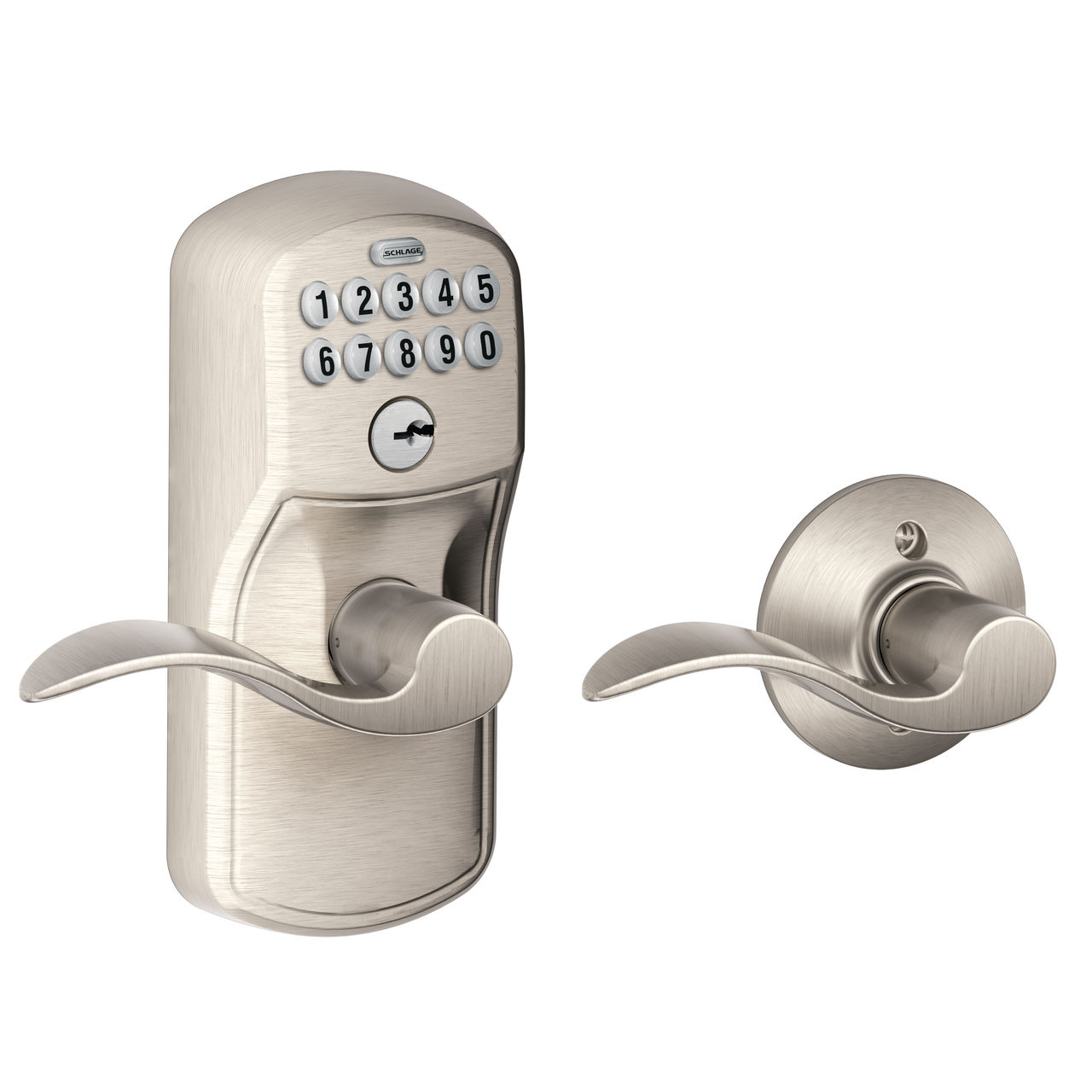
• Electronic lever handle: This type may use a keypad, card, app, or battery-powered release.
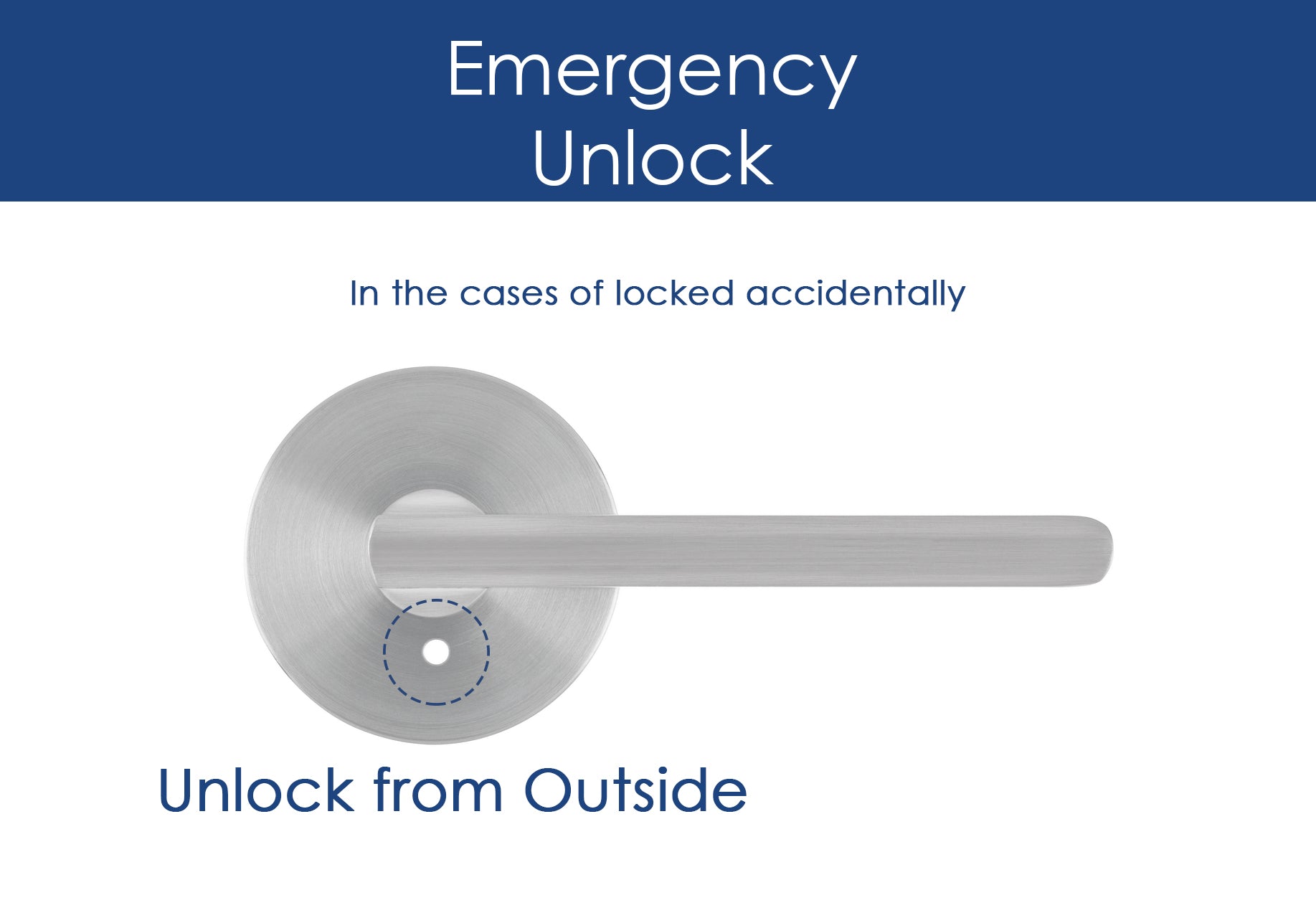
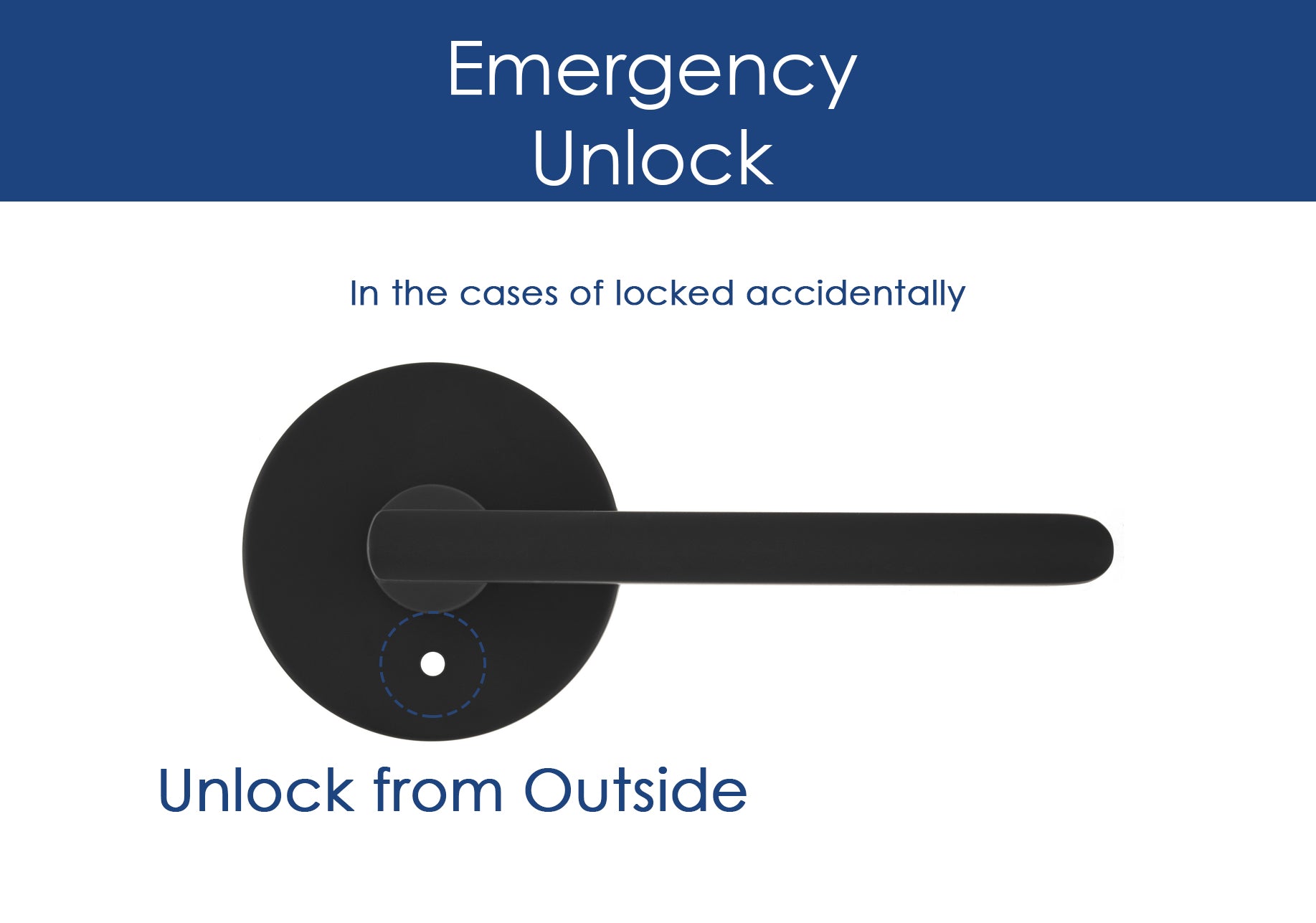
Check both sides of the handle when possible. A small round hole often indicates an emergency release. A narrow slot may show where a special release tool fits.
Do not assume every tiny hole is an emergency release. Some holes are part of the handle’s mounting system. Using the wrong object can damage the lock or void a warranty.

How to Unlock a Lever Door Handle With a Key
If the handle has a key cylinder, use the correct key and turn it gently. Insert the key fully, then turn it in the direction that unlocks the cylinder. Do not twist hard if the key stops.
Try these steps:
-
Insert the key all the way into the cylinder.
-
Pull the door toward you slightly, or push it gently, to reduce pressure on the latch.
-
Turn the key slowly.
-
Hold the key in the unlocked position while pressing the lever.
-
Release the key after the latch retracts.
Door pressure is a common reason a key seems not to work. A door can press against the latch when the frame has shifted, hinges have sagged, or weather has swollen the wood.
If the key will not enter fully, check for dirt or damage. Never pour cooking oil into a lock. It can collect dust and make the problem worse. Use a dry lock lubricant made for cylinders, and follow the product label.
When learning how to unlock a lever door handle with a key, avoid using excessive force. A broken key inside the cylinder can turn a simple problem into an expensive repair.

How to Unlock a Privacy Lever Handle
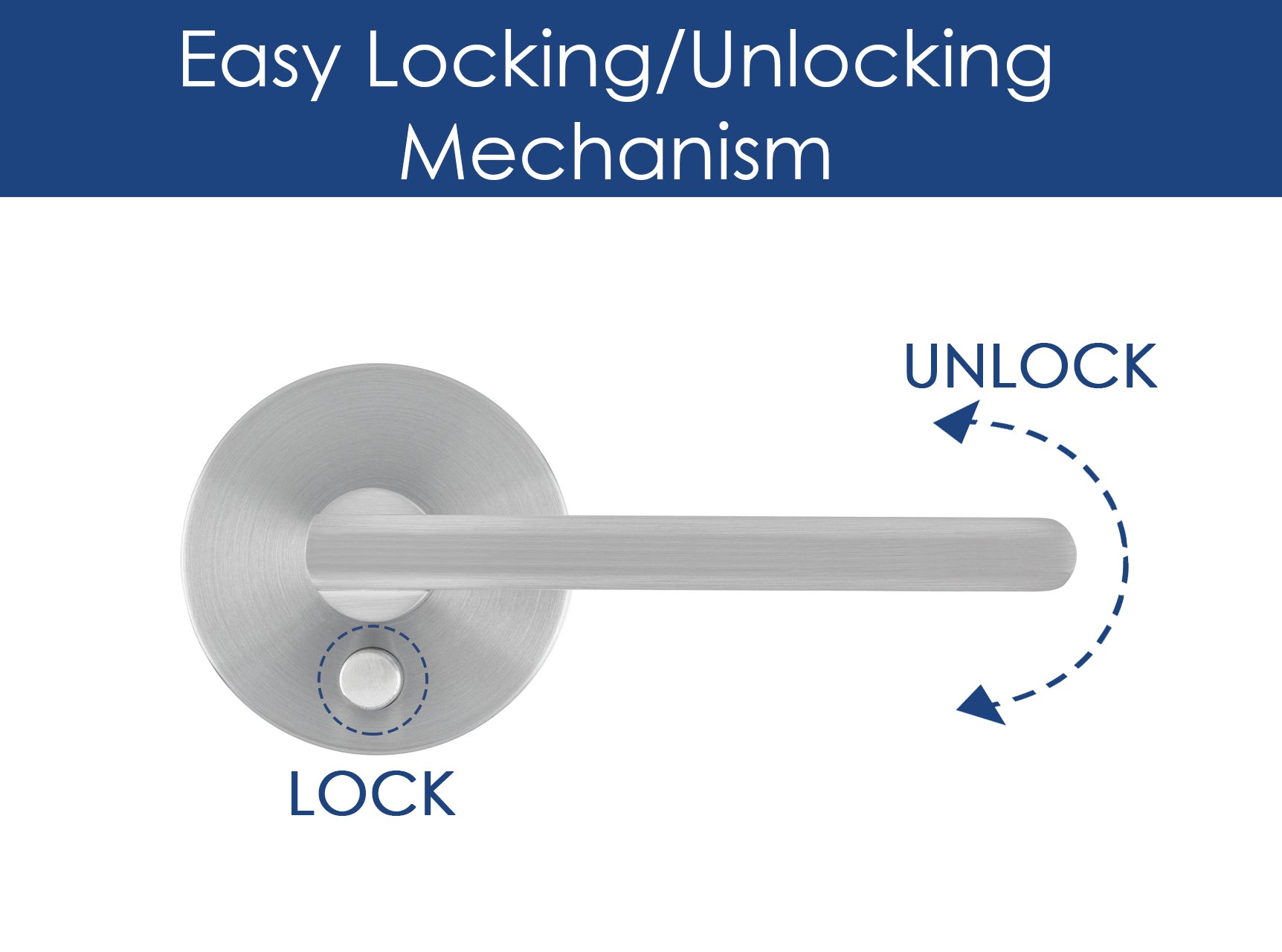
Privacy lever handles are common on interior rooms. They are designed to provide privacy, not high security. Many have a push button on the inside and a small release hole or slot on the outside.
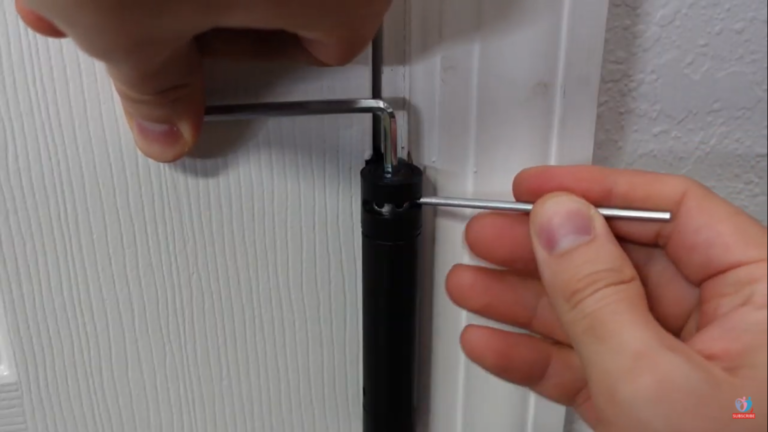
If you are authorized to enter, first try the handle’s intended emergency release. Use the release tool supplied by the manufacturer, if available. Some models use a small flat release tool, while others use a pin-style tool.
Follow these safe steps:
-
Look for a small hole or slot on the outside face of the handle.
-
Check the manufacturer’s instructions if you have them.
-
Insert only the correct release tool.
-
Apply light, straight pressure.
-
Turn the lever after the lock releases.
Some privacy handles unlock when you turn the outside release slot with a flat tool. Others release when you press a tool into the hole. The design varies, so forcing the mechanism can cause damage.
Never use this method to enter a room without permission. In a home, confirm that the room belongs to you or that you have permission from the occupant. In a rental or workplace, contact the property manager or supervisor.
A key lesson from real-world door repairs is simple: the smallest amount of force is usually the safest. Privacy locks are delicate, and a rushed attempt can break the internal spring.
How to Unlock a Lever Door Handle When the Latch Sticks
Sometimes the lock is already open, but the latch does not retract. This can make it seem like the lever is locked.
Try the following:
• Press the lever down while pushing the door gently toward the frame.
• Pull the door toward you while lifting the lever slightly.
• Move the handle slowly instead of jerking it.
• Check whether the latch is rubbing against the strike plate.
• Remove pressure from the door before turning the key.
A misaligned strike plate is a frequent cause. The strike plate is the metal plate on the door frame where the latch enters. If the door sags, the latch may hit the edge of the opening instead of sliding into it.
Do not kick or shoulder the door. That can split the frame, damage hinges, and create a safety risk. If the door opens after gentle pressure, inspect the hinges and strike plate later.
For a temporary fix, you may tighten loose hinge screws if you own the property. More serious alignment problems may require a door technician or locksmith.

How to Unlock a Lever Door Handle With a Broken Key
A damaged or broken key needs careful handling. If part of the key remains outside the cylinder, stop turning it. More movement can push the broken piece deeper.
Try these safe options:
• Keep the cylinder in its normal position.
• Avoid inserting another key.
• Do not use glue on the visible key piece.
• Contact a locksmith if the key cannot be removed easily.
A locksmith has tools made for extracting broken keys without harming the cylinder. If the cylinder is damaged, the locksmith can often replace only that part instead of replacing the complete lever handle.
If you have a spare key, do not assume it will solve the problem. A worn lock may reject both keys, especially when the door is under pressure.
Learning how to unlock a lever door handle safely means knowing when to stop. A few extra minutes of careful work can prevent damage to the lock, door, and frame.
How to Unlock an Electronic Lever Door Handle
Electronic lever handles may use a keypad, access card, fingerprint reader, smartphone app, or remote system. Start with the method approved by the owner or manufacturer.
Check these points:
-
Confirm that you are using the correct code or credential.
-
Enter the code slowly and wait for the unlock signal.
-
Check whether the batteries are low.
-
Use the manufacturer’s approved backup key if one exists.
-
Contact the property manager if the access system does not respond.
Many electronic locks provide a low-battery warning. Some have protected external contacts for temporary power, but the correct procedure differs by model. Follow the instructions for that exact device.
Do not attempt to bypass an electronic lock, remove its cover, or connect unknown power sources. You may damage the circuit or create a shock and fire hazard.
If the lock is connected to a home security system, an alarm may activate when the wrong method is used. Keep identification and proof of authorization available when calling a locksmith or access technician.
Common Reasons a Lever Door Handle Will Not Unlock
Understanding the cause helps you choose the right solution. A locked lever handle is not always a failed lock.
Common causes include:
• The wrong key is being used.
• The key is worn or bent.
• The door is pressing against the latch.
• The privacy button is still engaged.
• The latch is dirty or dry.
• The strike plate is misaligned.
• The internal spring has failed.
• The electronic battery is empty.
• The lock has been installed incorrectly.
Cold weather can also affect exterior doors. Moisture may freeze inside the cylinder, while wood can expand during wet weather. Never use an open flame to thaw a lock. It can damage the finish and create a fire risk.
A useful troubleshooting habit is to change one factor at a time. First reduce door pressure. Then try the correct key or release. If the result does not change, stop and inspect the handle or call a professional.

When to Call a Locksmith
Call a licensed or reputable locksmith when the lock will not respond to the correct method, the key is broken, or the door is part of an important security system.
Professional help is especially wise when:
• You are locked out of your home or vehicle.
• The door belongs to a rental property.
• The handle is connected to a fire-rated door.
• The lock protects a business or shared building.
• A child, older adult, or pet may be in danger.
• The key cylinder turns without moving the latch.
• The door frame or lock appears damaged.
A qualified locksmith should confirm authorization before opening a locked door. Be ready to show identification, proof of address, a lease, or written permission.
Ask for an estimate before work begins. You can also ask whether the locksmith expects to repair the existing handle or replace it. In many cases, careful non-destructive service is possible, but no method works for every lock.
Emergency services take priority over protecting the lock. If someone is in immediate danger, call 911 rather than trying to solve the lock yourself.
How to Prevent Future Lever Handle Problems
Preventive care can make how to unlock a lever door handle much easier the next time you need access.
Use these maintenance habits:
• Keep a spare key in a secure, approved location.
• Test the key and handle every few months.
• Tighten loose handle screws.
• Clean the handle with a suitable cleaner.
• Use only manufacturer-approved lock lubricant.
• Replace bent or badly worn keys.
• Check that the latch meets the strike plate smoothly.
• Replace weak batteries in electronic locks before they fail.
Do not hang heavy items from a lever handle. Extra weight can loosen the mounting screws or bend the internal parts. Children may also use lever handles as climbing aids, so consider a safety solution where appropriate.
If a handle repeatedly sticks, replace it instead of waiting for a complete failure. A new quality lever handle is often less costly than repairing a damaged door frame after forced entry.
Mistakes to Avoid When Unlocking a Lever Handle
Many lock problems become worse because of rushed actions. Avoid these common mistakes:
• Do not force the key.
• Do not twist the lever beyond its normal range.
• Do not pry between the door and frame.
• Do not drill a lock unless a qualified professional has approved that option.
• Do not use random tools in a release hole.
• Do not spray thick oil into the cylinder.
• Do not try to bypass a lock that you do not own or have permission to open.
• Do not ignore a child, pet, or medical emergency while protecting the hardware.
A gentle test is safer than a hard attempt. If the handle does not respond after the correct method, pause and reassess the lock type.
This approach protects the door and gives a locksmith useful information. Tell the technician what you tried, whether the key turns, and whether the lever feels loose or stiff.
Frequently Asked Questions About How to Unlock a Lever Door Handle
How do I unlock a lever door handle without a key?
First determine whether it is a privacy handle with an approved emergency release. If it is a keyed exterior lock, contact the property owner or a locksmith rather than attempting to bypass it.
Why will my lever door handle not open even though it is unlocked?
The latch may be under pressure or misaligned with the strike plate. Push or pull the door gently while operating the lever, and call a professional if the latch remains stuck.
Can I use a paper clip to unlock a lever door handle?
A paper clip may damage the internal mechanism and is not a safe general solution. Use the manufacturer’s release tool for an authorized privacy lock, or contact a locksmith.
How do I unlock a bathroom lever handle?
Many bathroom lever handles have a small emergency release hole or slot. Use the correct release tool or the manufacturer’s stated method, and avoid forcing the handle.
What should I do if my key breaks in the lever handle?
Stop turning the cylinder and avoid pushing the broken piece farther inside. A locksmith can usually remove the broken key and check whether the cylinder needs replacement.
How do I unlock an electronic lever handle when the battery dies?
Use the approved backup key or external power method listed in the product instructions. If you do not have the instructions or authorization, contact the property manager or a qualified locksmith.
Is it safe to force a locked lever door handle?
No. Force can break the latch, split the frame, or cause injury. Use the correct key or release method, then seek professional help if the handle does not respond.
Conclusion
Knowing how to unlock a lever door handle safely begins with identifying the lock type. Use the correct key, privacy release, or electronic access method, and reduce pressure on the door before applying force. If the latch sticks, the key breaks, or the mechanism fails, stop before causing more damage.
Always confirm that you have permission to open the door. When safety, security, or urgent access is involved, a reputable locksmith is the safest choice. Save this guide for future reference, and share your own lever handle tips or questions in the comments.


One Comment