
Most doorbell cameras reach 15 to 30 feet clearly, while motion alerts may work as far as 50 to 100 feet.
The real answer to how far does a doorbell camera reach depends on more than its advertised range. Lens type, lighting, camera height, Wi-Fi strength, weather, and the detail you need all affect performance. This guide explains what you can realistically see, record, and identify before choosing or installing a doorbell camera.
How far does a doorbell camera reach?
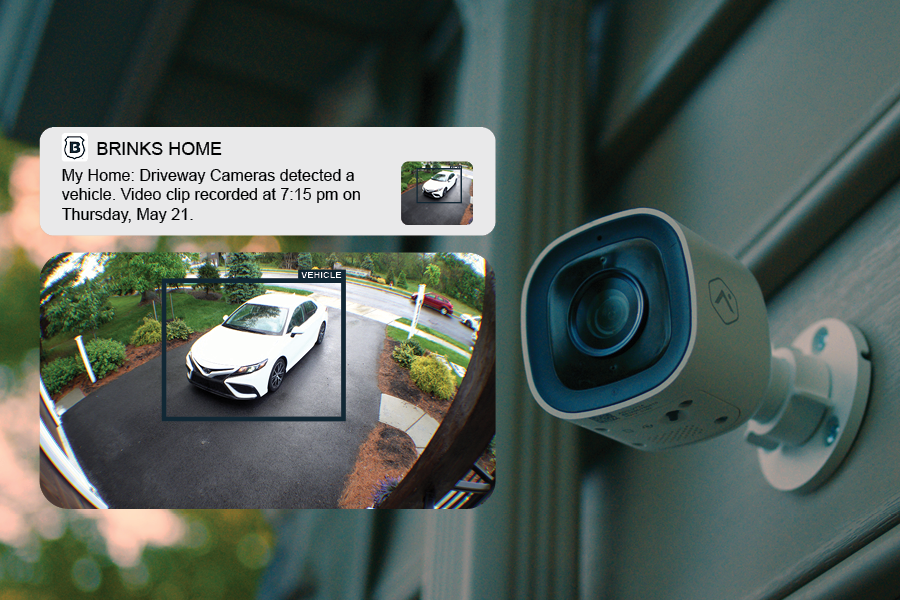
Most doorbell cameras can detect movement farther away than they can clearly identify a person. In many homes, the useful viewing range is about 15 to 30 feet. At this distance, the camera can often show a face, package, clothing, and basic activity.
Some models detect motion at 50 feet or more. A few wide-angle cameras may monitor areas close to 100 feet away, especially in good daylight. However, detection does not mean clear identification. A person may trigger an alert at 60 feet but appear only as a small figure in the video.
The practical range usually falls into three levels:
• 10 to 15 feet: Best range for faces, packages, and fine detail.
• 15 to 30 feet: Good range for most front-door activity.
• 30 to 60 feet: Useful for movement, vehicles, and general activity.
• More than 60 feet: Possible for detection, but often weak for facial detail.
So, when asking how far does a doorbell camera reach, separate “can it see movement?” from “can it identify a person?” Those are very different questions.
What affects a doorbell camera’s viewing distance?
A camera’s range is shaped by its hardware and its surroundings. The same model may perform well at one home and poorly at another because light, wall color, traffic, and mounting position change the image.
Camera resolution
Resolution affects how much detail remains visible as the subject moves away. A 2K or 4K camera usually preserves more detail than a basic 1080p model. Still, resolution alone cannot fix a poor lens or bad lighting.
Digital zoom can make a distant object look larger, but it does not create missing detail. If a face is only a few pixels wide, zooming will not reliably reveal that person.
Lens and field of view
A wide-angle lens covers more space but may make distant objects look smaller. A narrow lens gives a closer view of a smaller area. This is similar to choosing between a wide landscape photo and a zoomed portrait.
Many doorbell cameras use a horizontal viewing angle between about 120 and 180 degrees. A wide view helps cover a porch, walkway, and steps, but it can reduce useful detail at the edges.
Camera height and angle
Mounting height matters greatly. A camera placed too high may show the tops of heads rather than faces. A camera mounted too low may be easier to damage or block.
For many homes, placing the camera around 4 to 5 feet above the ground gives a better face angle. Tilt the camera toward the approach path, not only toward the doorway. This small change can improve the useful range more than buying a higher-resolution model.
Lighting and night vision
Daylight gives a doorbell camera its best range. At night, infrared vision may reduce detail, especially when the subject is far away. Bright lights, reflective surfaces, rain, fog, and snow can also reduce image quality.
Color night vision may help when there is enough nearby light. It does not always provide a clear image in a dark yard. If you need to monitor a long walkway, soft outdoor lighting can improve results.
Weather and outdoor conditions
Rain drops on the lens can blur the image. Fog scatters light and reduces contrast. Snow can trigger false motion alerts and hide faces or clothing.
Dust, pollen, and spider webs are common causes of poor footage. Cleaning the lens every few weeks can make a surprising difference. A camera that seems to have a short range may simply have a dirty cover.

Doorbell camera range versus motion detection range
Motion detection range and video identification range are not the same. This is one of the most important points when learning how far does a doorbell camera reach.
A motion sensor may detect a warm body or moving object at a greater distance than the camera can record useful detail. For example, a camera may send an alert when someone walks 40 feet away, but the video may not show a recognizable face until that person reaches 15 feet.
Motion alerts can also be affected by:
• Moving tree branches
• Headlights and shadows
• Passing cars
• Animals
• Wind-blown leaves
• Heavy rain or snow
Many cameras use passive infrared sensors, computer vision, or both. Passive infrared sensors detect changes in heat. Computer vision analyzes shapes and movement in the image. Each method has strengths and weaknesses.
For better alerts, adjust the activity zone to cover the walkway or driveway. Avoid pointing the camera at a busy street. This reduces false alerts and saves battery power on wireless models.
How far can a doorbell camera see at night?
At night, a doorbell camera often provides its best identification within 10 to 20 feet. Detection may work farther away, but the image can lose facial detail. Infrared LEDs may also create bright reflections when the subject is too close.
Night performance depends on:
• Infrared light strength
• Nearby porch lighting
• Image sensor size
• Weather conditions
• Clothing color
• Distance from the camera
A common installation mistake is placing a bright light directly behind the visitor. This creates a dark silhouette. A light near the camera or to the side usually gives the camera a better view.
I recommend testing the camera after sunset with a friend walking toward the door. Ask the person to stop at 10, 20, 30, and 40 feet. Check whether you can identify a face, read a package label, and see hand movement. This simple test gives more useful information than a range number on a product box.
How far does a doorbell camera reach through Wi-Fi?
Wi-Fi range is different from the camera’s visual range. Your camera may see 50 feet down a driveway but fail to upload the video if the wireless signal is weak.
In a typical home, Wi-Fi may work about 30 to 50 feet indoors, though some routers and open layouts reach farther. Walls, brick, concrete, metal doors, and large appliances can weaken the signal. Outdoor distance is often better when there are few barriers between the camera and router.
A weak connection can cause:
• Delayed notifications
• Missing recordings
• Frozen live views
• Poor video quality
• Frequent camera disconnections
Place the router as close as practical to the front door. A mesh Wi-Fi system or outdoor access point may help with a long driveway. Before final installation, use your phone at the planned camera location and check the Wi-Fi signal. This is not a perfect test, but it can reveal obvious dead zones.
Remember that cloud-based cameras also need upload speed. A strong signal with a slow internet connection may still produce delays.
How far does a doorbell camera record audio?
Audio usually works best near the front door, often within about 10 to 20 feet. Some cameras can capture sound from farther away, but wind, traffic, and outdoor noise may make speech difficult to understand.
Two-way audio has a shorter practical range than video in many situations. A visitor may appear clearly on screen while their voice sounds faint or distorted. Microphone placement and noise cancellation make a major difference.
Before using audio recording, check local privacy laws. Rules differ by state and may require consent from one or more people. A camera pointed toward a public sidewalk can also capture conversations that you did not expect to record.
How far does a doorbell camera reach for a driveway?
For a driveway, the useful range depends on what you want to monitor. If you only need to know that a vehicle arrived, 50 to 100 feet may be enough. If you want to read a license plate, the camera must be positioned and designed for that task.
A standard doorbell camera is not always the best tool for a long driveway. Its lens is designed mainly for visitors near the entrance. A separate outdoor security camera may provide better zoom, a narrower field of view, and stronger night performance.
For a driveway setup:
-
Mount the doorbell camera to cover the front step and approach path.
-
Add a separate camera aimed down the driveway if needed.
-
Use motion zones to avoid alerts from passing traffic.
-
Test the view during both day and night.
-
Check local rules before recording public areas or neighboring property.
A doorbell camera can help with driveway awareness, but it may not replace a dedicated security camera.
How to improve your doorbell camera’s range
You can often improve performance without replacing the camera. Good positioning is the first step.
Try these practical changes:
• Mount the camera at a face-friendly height.
• Angle it toward the visitor’s path.
• Keep the lens clean and free of spider webs.
• Add gentle lighting near the entry.
• Move the router closer or add a mesh node.
• Reduce the camera’s field of view if the app allows it.
• Turn on high-quality recording when storage and bandwidth permit.
• Create activity zones around the walkway and porch.
• Test the camera in daylight, darkness, rain, and glare.
One lesson from real home installations is that a camera aimed straight at an open yard often performs worse than one aimed across a path. People walking across the frame create more visible movement than people walking directly toward a camera. However, a direct approach is usually better for facial detail. The best angle balances both needs.
Common mistakes that reduce camera range
Many range problems come from installation errors rather than weak camera hardware.
Mounting too high
A high camera may cover more ground, but it can miss faces. It may also show hats, hair, or shoulders instead of useful identity details.
Pointing toward the sun
Direct sunlight can wash out the image. Morning and afternoon glare may also create long shadows that confuse motion detection.
Aiming at the street
Cars, cyclists, and pedestrians can trigger constant alerts. This drains batteries and makes important events harder to find.
Ignoring the Wi-Fi path
A camera placed behind brick, metal, or several walls may lose its connection. Always test the wireless signal before drilling holes.
Trusting the advertised distance
Manufacturers often measure range in controlled conditions. Real homes have walls, weather, darkness, and moving objects. Treat the advertised range as a starting point, not a promise.

How to choose a doorbell camera based on range
Start with the area you need to cover. A small porch may need only a reliable 1080p camera with a good close-range view. A large front yard may need a doorbell camera plus an outdoor camera.
Look for these features:
• 2K or higher resolution for added detail
• High dynamic range for bright and dark areas
• Infrared night vision
• Adjustable motion zones
• Strong Wi-Fi support, such as dual-band connectivity
• Local storage or dependable cloud recording
• A wide but not excessively distorted field of view
• Replaceable or wired power for busy areas
Battery cameras are convenient, but frequent alerts can shorten battery life. Wired models usually provide steadier operation. If your entry has heavy foot traffic, a wired camera may be the better long-term choice.
Privacy should also guide your decision. Aim the camera only at areas you need to protect. Use privacy masking when available, especially near windows, neighboring doors, and public spaces.
Frequently Asked Questions About How Far Does a Doorbell Camera Reach
How far can a doorbell camera detect motion?
Many doorbell cameras detect motion between 30 and 60 feet, while some may detect movement farther away. The exact distance depends on the sensor, camera settings, weather, and the size and speed of the moving object.
How far can a doorbell camera clearly identify a face?
Clear face identification is often strongest within 10 to 20 feet. Some high-resolution models may work well at 30 feet in good light, but distance, glare, angle, and night conditions can reduce detail.
Can a doorbell camera see across a street?
It may see across a residential street, but it may not show useful facial detail at that distance. Wide lenses make distant people look smaller, and recording public areas may raise privacy concerns.
Does a doorbell camera work through walls?
The camera cannot see through walls. Its Wi-Fi signal must pass through walls to reach the router, and thick brick, concrete, and metal can weaken that connection.
How far can a doorbell camera record at night?
Most models provide their best night detail within about 10 to 20 feet. Infrared and nearby lighting may extend useful visibility, but fog, rain, glare, and darkness can shorten the practical range.
Is 1080p enough for a doorbell camera?
1080p is often enough for a small porch and close visitors. A 2K or 4K model may preserve more detail at longer distances, but lens quality, lighting, and camera placement still matter.
Can a doorbell camera cover a long driveway?
It may detect vehicles or people on a long driveway, but it may not identify them clearly. For dependable long-range coverage, use a dedicated outdoor security camera with a suitable lens and night vision.
Conclusion
The answer to how far does a doorbell camera reach depends on your goal. Most models offer their clearest view within 15 to 30 feet, while motion alerts may work from 50 feet or more. Night conditions, camera angle, Wi-Fi strength, weather, and lens design can all change the result.
Choose a camera for the distance you need to identify, not just the distance it can detect. Test the view at different times, improve the lighting, and consider a second outdoor camera for a large yard or driveway. Explore your camera’s settings today, then share your own range tips or questions in the comments.


4 Comments