
Most home cooks need two cutting boards: one for raw foods and one for ready-to-eat foods.
Knowing how many cutting boards should i have can make cooking safer, cleaner, and much easier. The right number depends on your kitchen size, cooking habits, board material, and how often you prepare meat, fish, vegetables, or bread. This guide explains the best setup for most homes, plus simple ways to choose, clean, store, and replace your boards.
How Many Cutting Boards Should I Have?
For most households, two cutting boards are enough. Use one board for raw meat, poultry, and seafood. Use the second board for vegetables, fruit, bread, cheese, and cooked foods.
This simple system helps lower the risk of cross-contamination. Cross-contamination happens when germs from raw food move to food that will not be cooked again.
A two-board setup works well because it is easy to remember:
• Board one: raw meat, poultry, and seafood
• Board two: produce, bread, cheese, and cooked food
If you cook often, a three-board setup may work better. Add a third board for bread and dry foods. This keeps crumbs, garlic smells, onion juice, and raw food residue away from other ingredients.
For many home cooks, the best answer to how many cutting boards should i have is two or three. More boards can help, but only if you have enough storage and will keep them clean.

The Best Cutting Board Setup for Most Kitchens
A good cutting board system should match your daily cooking routine. You do not need a separate board for every ingredient. You need a clear system that prevents raw food from touching ready-to-eat food.
Option 1: The two-board system
This is the best choice for small kitchens, couples, and simple meal prep.
• Raw food board: Use it for raw beef, pork, chicken, turkey, fish, and shellfish.
• Clean food board: Use it for vegetables, fruits, herbs, bread, cooked meat, and cheese.
Choose boards in different colors or sizes. For example, use a large red or dark board for raw meat and a light green or white board for produce. Color coding makes the system easy to follow, even when you are tired or cooking fast.
Option 2: The three-board system
Three boards are useful if you cook most days or prepare many types of food.
• Raw meat board: Use it only for raw animal products.
• Produce board: Use it for fruits, vegetables, and herbs.
• Bread and dry food board: Use it for bread, pastries, cheese, and cooked foods.
This setup also helps control strong smells. A board used for garlic, onions, or fish may keep its odor. A separate bread board keeps those smells away from toast and pastries.
Option 3: The four-board system
A four-board setup suits large families, meal preppers, and people who cook several dishes at once.
• Raw poultry board
• Raw meat and seafood board
• Produce board
• Bread and cooked food board
Separate poultry from other raw foods if you often prepare chicken. Raw poultry can carry harmful bacteria, so a dedicated board may make cleanup simpler.
Still, four boards are not required for safe cooking. The key issue is proper cleaning and separation, not owning a large collection.
:max_bytes(150000):strip_icc()/color-coded-cutting-boards-996030_final-01-9ca266b91e76472ba659dc307e22b24c.png)
When You May Need More Than Two Cutting Boards
The question of how many cutting boards should i have depends on your cooking habits. A person who makes sandwiches may need only two small boards. A person who cooks large meals every day may benefit from four or more.
You may want extra boards if you:
• Cook raw meat and vegetables at the same time
• Prepare meals in large batches
• Host frequent dinners
• Make homemade bread or pastries
• Follow a raw-food diet
• Prepare food for someone with a weak immune system
• Have a large family
• Need a board for camping or outdoor cooking
• Prefer to place used boards in the dishwasher before washing them
Extra boards give you more flexibility. They also help when one board is drying or waiting to be cleaned.
However, too many boards can create clutter. A crowded cabinet can lead to poor storage, trapped moisture, and damaged surfaces. Buy more boards only when they solve a real problem in your kitchen.

Should You Use Separate Cutting Boards for Meat and Vegetables?
Yes. Separate boards are a simple way to reduce cross-contamination.
Raw meat, poultry, and seafood may contain bacteria such as Salmonella, Campylobacter, or certain strains of E. coli. Cooking can kill many harmful germs, but raw food juices can spread them to salad ingredients, fruit, bread, and other ready-to-eat foods.
The safest workflow is simple:
-
Prepare vegetables and other ready-to-eat foods first.
-
Place them on a clean plate.
-
Prepare raw meat on the raw-food board.
-
Wash your hands, knife, counter, and board after handling raw food.
-
Cook the meat to a safe internal temperature.
A separate board does not replace good hygiene. You still need to wash the board with hot, soapy water after use. Clean your knife and work surface, too.
If you have only one board, prepare ready-to-eat foods first. Then wash and sanitize the board before cutting raw meat. This is less convenient, but it can be safe when done correctly.

How Material Affects the Number of Cutting Boards You Need
Cutting board material affects care, durability, and storage. It can also affect how many boards should i have in your kitchen.
Wood cutting boards
Wood boards are gentle on knife edges and feel comfortable during long prep sessions. Hardwoods such as maple, walnut, and cherry are common choices.
Wood boards need more care than plastic boards. Wash them by hand, dry them upright, and apply food-safe mineral oil when the surface looks dry. Do not soak them or place them in the dishwasher.
A wooden board can work well for produce, bread, or cooked foods. Many cooks prefer not to use wood for raw meat because wood takes longer to dry and needs careful cleaning.
Plastic cutting boards
Plastic boards are light, affordable, and easy to clean. Many can go in the dishwasher, but always check the care label.
Plastic boards are a popular choice for raw meat because they are easy to wash and sanitize. They can also develop deep knife grooves over time. Those grooves may hold food residue and bacteria.
Rubber cutting boards
Rubber boards are durable and kind to knives. Many professional kitchens use them because they provide good grip and resist slipping.
High-quality rubber boards can be costly. They may also be heavy, but they are a strong choice for serious home cooks.
Glass and stone boards
Glass and stone boards are easy to wipe clean, but they are hard on knives. They can also be noisy and slippery.
Use them as serving boards if you like their appearance. For regular chopping, wood, plastic, or rubber is usually more practical.

The Ideal Board Size for Everyday Cooking
Board size matters almost as much as board count. A board that is too small can make food fall onto the counter. A board that is too large may be hard to wash or store.
For most kitchens, these sizes work well:
• Small board: About 8 by 10 inches for lemons, herbs, and small tasks
• Medium board: About 10 by 14 inches for daily prep
• Large board: About 12 by 18 inches or larger for meat, vegetables, and full meal prep
A medium board is often the best starting point. It gives you enough room to chop without taking over the counter.
If you cook large meals, use one large board for vegetables and a second large board for raw food. Small boards are useful, but they should not replace a stable work surface for heavy chopping.
Look for a board that is thick enough to stay flat. A board with rubber feet or a damp towel underneath is less likely to slide.

How to Clean and Sanitize Cutting Boards
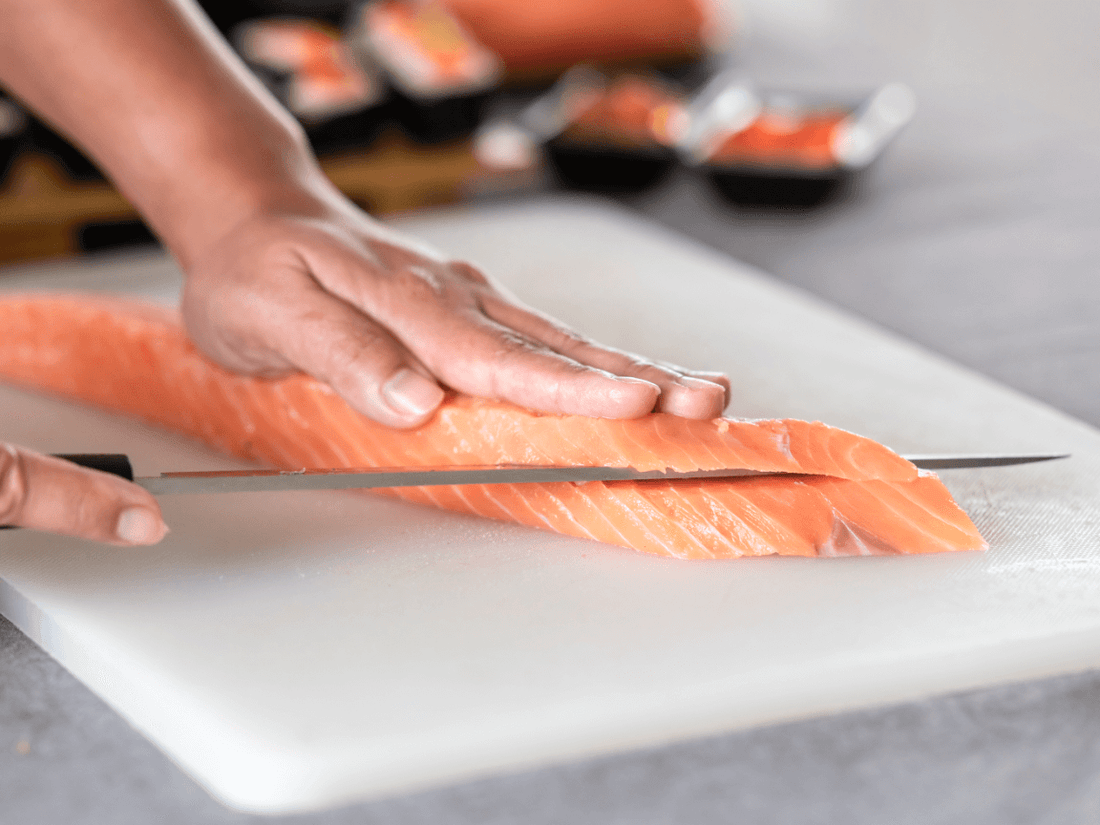
Cleaning removes food particles and grease. Sanitizing reduces harmful germs after cleaning. Both steps matter, especially when you use a board for raw meat.
Follow these steps:
-
Scrape away food scraps.
-
Wash the board with hot water and dish soap.
-
Rinse it well.
-
Apply a food-safe sanitizer if needed.
-
Rinse again when the product label requires it.
-
Dry the board fully before storing it.
The exact sanitizer matters. A product made for food-contact surfaces should be used according to its label. Do not mix bleach with vinegar, ammonia, or other cleaners.
The USDA and other food safety authorities recommend washing cutting boards after each use. Boards used for raw meat need extra care because raw juices can spread bacteria.
Do not place a wet board flat in a cabinet. Moisture can encourage odors, mold, or warping. Store boards upright or on a rack so air can move around them.
Common Cutting Board Mistakes to Avoid
Even people who know how many cutting boards should i have can make mistakes during a busy meal. Small habits make a big difference.
Avoid these common problems:
• Using the same board for raw chicken and salad without washing it
• Cutting bread on a board covered with raw meat juice
• Putting a wooden board in the dishwasher
• Leaving a board wet in a closed cabinet
• Ignoring deep knife grooves
• Using a board that rocks or slides
• Cleaning with a harsh product not approved for food surfaces
• Cutting raw meat first and vegetables second on the same unwashed board
• Using a decorative glass board for daily chopping
One mistake I made in my own kitchen was using a single large wooden board for nearly everything. It looked clean after a quick wipe, but it held strong onion and garlic smells. Once I switched to separate boards, cleanup became faster and my bread no longer tasted like dinner.
The lesson is simple: a good system should make the safe choice easy. If your boards are clearly assigned, you are less likely to mix them up.
When Should You Replace a Cutting Board?
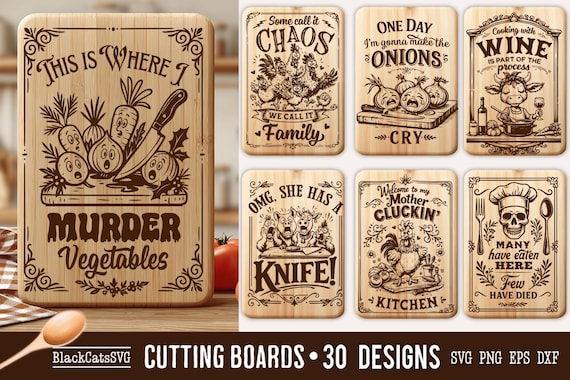
Replace a cutting board when it has deep cracks, serious warping, mold, or many deep grooves. A damaged board is harder to clean properly.
A few light knife marks are normal. You do not need to replace a board every time it shows a scratch. However, deep cuts can trap food and moisture.
Replace plastic boards when the surface looks heavily scored. Replace wooden boards when they split, develop deep cracks, or remain rough after light sanding.
Watch for these signs:
• The board rocks while you cut
• Cracks run across the surface
• Food stays trapped in deep grooves
• The board has a strong odor that will not go away
• Mold or black spots appear
• The surface is badly warped
Sanding can extend the life of a solid wooden board. Use fine sandpaper, remove all dust, and apply food-safe mineral oil. Do not try to repair a board with glue or coatings that are not approved for food contact.
How to Store Multiple Cutting Boards
Storage is an important part of deciding how many cutting boards should i have. A large collection is not helpful if the boards are hard to reach or stay damp.
Try these storage ideas:
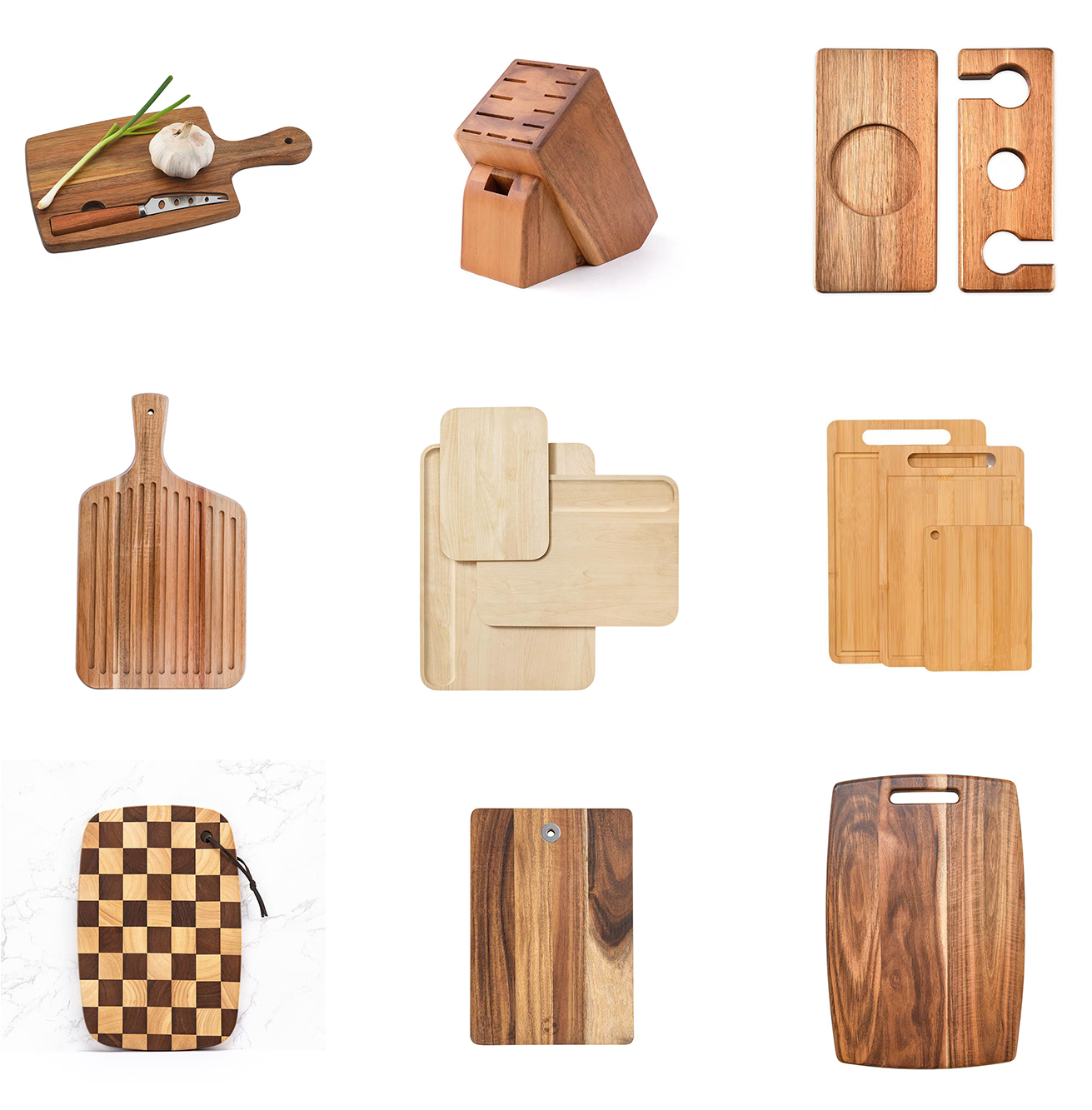
• Store boards vertically in a rack
• Use a pullout divider inside a cabinet
• Keep raw-food boards marked with a label or color
• Let boards dry fully before storage
• Keep boards away from cleaning chemicals
• Do not stack wet boards together
A vertical rack helps air circulate. It also lets you grab the board you need without moving a heavy stack.
For small kitchens, choose boards with a hanging hole or a slim profile. You can also keep one daily-use board on the counter and store the others in a dry cabinet.
Make sure the storage area is clean. A clean board placed in a dirty, damp cabinet can become contaminated again.
A Practical Buying Guide
When deciding how many cutting boards should i have, start with your cooking routine instead of buying a large set.
Use this guide:
• Light cooking: Two boards, one for raw food and one for ready-to-eat food
• Regular home cooking: Three boards, adding a bread or cooked-food board
• Frequent meal prep: Three or four boards in different sizes
• Large family cooking: Four boards, including at least one large raw-food board
• Serious home cooking: Four or more durable boards with clear uses
Buy quality before quantity. One stable, well-made board is more useful than several thin boards that slide around.
Choose boards that are easy to clean and easy to identify. A different color, shape, or size for each use can prevent mistakes. If a board is too difficult to wash, dry, or store, you may stop using it correctly.
What I Recommend for Most People
If you are starting from scratch, buy two boards:
-
A large plastic or rubber board for raw meat, poultry, and seafood
-
A medium or large wood or plastic board for vegetables, fruit, bread, and cooked food
If you bake or cook often, add a third board for bread and dry foods. Choose a smaller board for herbs, lemons, and quick tasks only if you have enough storage.
This setup answers how many cutting boards should i have without adding unnecessary clutter. It offers a clear safety boundary and works for most daily meals.
For a family that cooks several dishes at once, four boards may be more comfortable. Still, the best number is the number you can clean, dry, store, and maintain properly.
Frequently Asked Questions
Is two cutting boards enough?
Yes. Two boards are enough for most homes when one is reserved for raw meat, poultry, and seafood and the other is used for ready-to-eat foods. Wash each board after use and replace it when deep grooves or cracks develop.
How many cutting boards should i have for raw meat?
One dedicated raw-food board is usually enough. If you often prepare several raw ingredients at once, separate boards for poultry, meat, and seafood can make your workflow easier.
Can I use one cutting board for everything?
You can use one board if you wash and sanitize it between different food types. Prepare ready-to-eat foods first, then clean the board before handling raw meat.
Is a wood or plastic cutting board safer?
Both can be safe when cleaned and maintained correctly. Plastic is easy to sanitize and often works well for raw meat, while wood is durable and gentle on knives but needs hand washing and proper drying.
How often should I replace a cutting board?
Replace a board when it has deep cracks, severe warping, mold, or deep grooves that hold food. Light knife marks alone do not mean the board must be replaced.
Should I have a separate cutting board for chicken?
A separate poultry board is helpful but not required. It can make food safety easier, especially if you prepare chicken often, but careful washing and sanitizing can also protect against cross-contamination.
Can cutting boards go in the dishwasher?
Many plastic boards can go in the dishwasher, but wood boards usually should not. Check the manufacturer’s instructions because heat and water can warp or split some materials.
Conclusion
For most homes, two cutting boards are enough: one for raw foods and one for ready-to-eat foods. Three boards offer extra comfort, while four or more may suit large families, meal preppers, and frequent cooks.
Focus on separation, cleaning, drying, and board condition. Start with a clear two-board system, then add another board only when your cooking routine truly needs it. Choose your setup today, label each board by use, and share your favorite kitchen tips in the comments.




2 Comments