Smart weight scales use electrical sensors and body data to estimate weight, body fat, muscle, and other metrics.
If you have wondered how do smart weight scales work, the answer goes beyond a simple bathroom reading. These devices combine load cells, bioelectrical impedance analysis, apps, and algorithms to turn a short step on the platform into a detailed health snapshot. This guide explains the technology, accuracy, benefits, limits, and best ways to use one.
How do smart weight scales work?
Smart weight scales use two main systems: weight sensors and body composition sensors. Together, they measure your body and send the results to a phone or cloud account.
The scale first measures your weight through load cells. These small sensors bend slightly when you stand on the platform. The change creates an electrical signal, which the scale converts into pounds or kilograms.
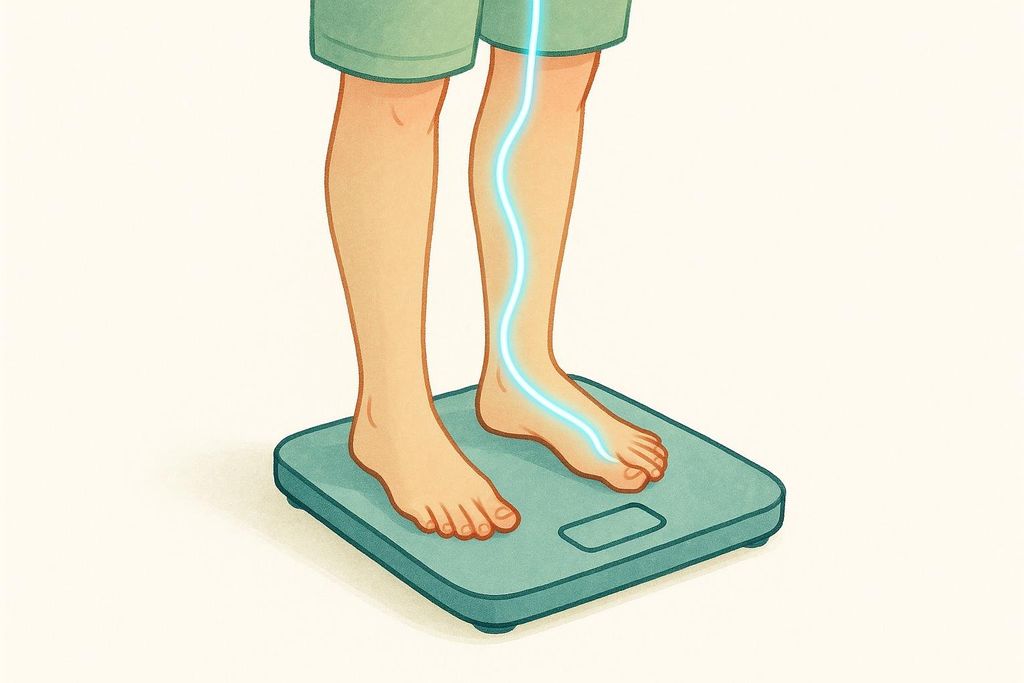
Many models then use bioelectrical impedance analysis, often called BIA. The scale sends a very small electrical current through your feet. The current moves more easily through water and muscle than through fat, so the device studies the resistance, or impedance, in your body.
An algorithm then combines that reading with details such as:
• Weight
• Height
• Age
• Sex
• Activity level
• Body position
• Device history
The scale uses this information to estimate body fat percentage, muscle mass, body water, bone mass, visceral fat, and other values. These are estimates, not direct laboratory measurements.
The technology inside a smart scale
Understanding how do smart weight scales work becomes easier when you look at the parts inside the device. Each part has a specific job.
Load cells measure body weight
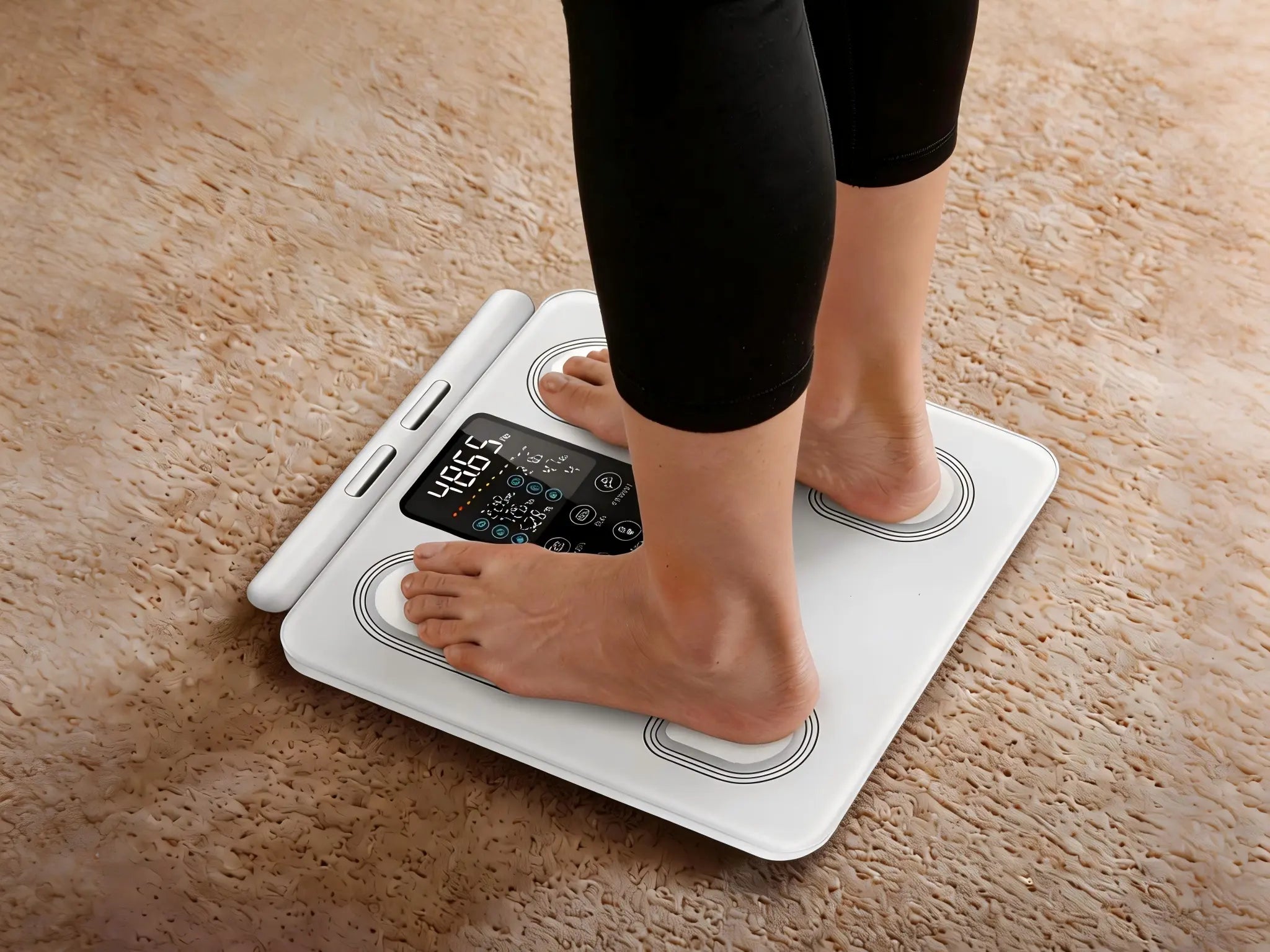
Load cells sit beneath the scale platform. Most smart scales use four sensors, one near each corner. When your weight presses down, the sensors detect small changes in electrical resistance.
The scale’s processor turns those changes into a weight reading. This part is usually the most reliable feature because weight measurement is more direct than body composition analysis.
A level, hard floor helps the load cells work correctly. Carpet can create uneven pressure and may lead to readings that jump from one day to the next.
Electrodes send a safe electrical signal
Metal contact points on the platform act as electrodes. When you stand barefoot on them, the scale sends a tiny current through your body.
You will not feel this current. It is far below the level that causes sensation in most people. However, people with implanted electronic medical devices should ask a health professional before using a BIA scale.
Some scales only measure from foot to foot. This is called a lower body or foot to foot measurement. Other models use hand grips or a handle, which can measure through more of the body and may provide a broader estimate.
Bluetooth or Wi-Fi sends the data
After the measurement, the scale may send data to a smartphone app through Bluetooth or Wi-Fi. The app stores readings, creates charts, and shows changes over time.
Bluetooth usually requires your phone to be nearby. Wi-Fi models can upload data even when your phone is in another room. This feature can help families or caregivers track readings, but privacy settings deserve attention.
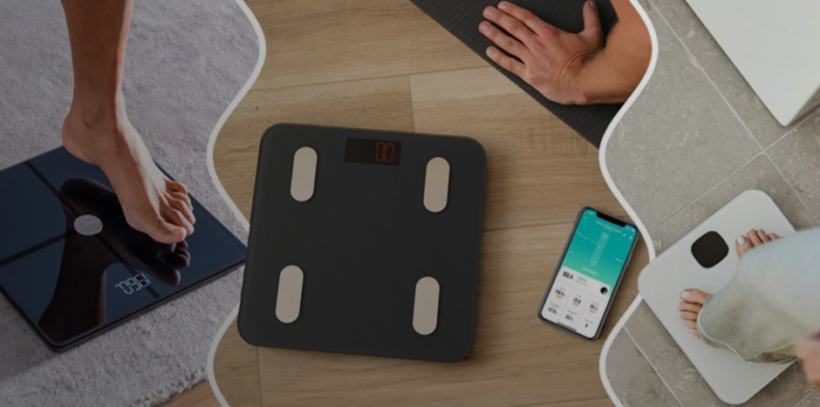
What does a smart scale measure?
The exact list depends on the brand and model. Most devices measure weight directly and estimate the rest.
Common smart scale metrics include:
• Body weight: Your total mass at the time of measurement.
• Body mass index: A height and weight ratio used for broad population screening.
• Body fat percentage: An estimate of the share of your weight made up of fat.
• Muscle mass: An estimate that may include water stored in muscle tissue.
• Body water: An estimate of total water in the body.
• Bone mass: A rough estimate, not a bone density test.
• Visceral fat: An algorithmic estimate of fat around internal organs.
• Basal metabolic rate: An estimate of the calories your body may use at rest.
• Protein percentage: An estimate linked to body composition and water balance.
These numbers can look precise because the app may show decimal points. That does not mean they are exact. A reading of 24.7% body fat is still an estimate, not a diagnosis.
For most people, the trend matters more than one result. If your readings move in the same direction over several weeks, the data may help you understand broad changes.
How bioelectrical impedance analysis estimates body fat
BIA is based on how electrical signals move through different tissues. Water-rich tissues, such as muscle, tend to conduct electricity more easily. Fat contains less water and creates greater resistance.
The scale records impedance and places it into a mathematical formula. That formula estimates body composition based on your personal details.
This process is similar to using a map with several landmarks. The scale knows your weight, height, age, and electrical resistance. It uses those points to create a reasonable estimate of what may be inside your body.
Still, the result can change when your water level changes. A meal, workout, hot shower, salty food, alcohol, or full bladder may affect the reading.
Research on BIA shows that results can vary by device, method, and person. Professional tools used under controlled conditions tend to be more useful than a consumer scale used at random times.
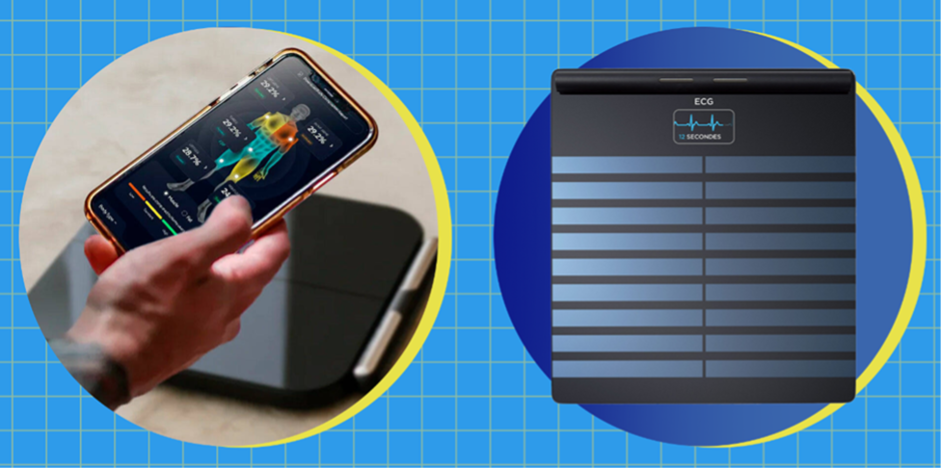
How accurate are smart weight scales?
Smart scales are often accurate enough for tracking weight trends. Their body composition readings are less reliable than their weight readings.
Accuracy can vary because of:
• Hydration level
• Recent exercise
• Food and drink
• Skin temperature
• Foot placement
• Time of day
• Menstrual cycle changes
• Device quality
• Body shape and distribution
• Differences between algorithms
A smart scale may show a lower body fat reading after a workout because fluid shifts through your body. It may show a higher reading after dehydration. Neither change necessarily means your fat tissue changed within a few hours.
In my experience testing connected scales, the biggest mistake is treating each number as a final truth. A better approach is to measure under the same conditions and watch the pattern over time.
Use the scale on a firm floor, stand still, and place your feet in the same spots. Morning readings after using the bathroom often give the most consistent routine, although the key is to repeat the same routine.
Do not compare results from two different brands as if they use one shared standard. One scale may estimate body fat at 22%, while another may show 25% on the same day.
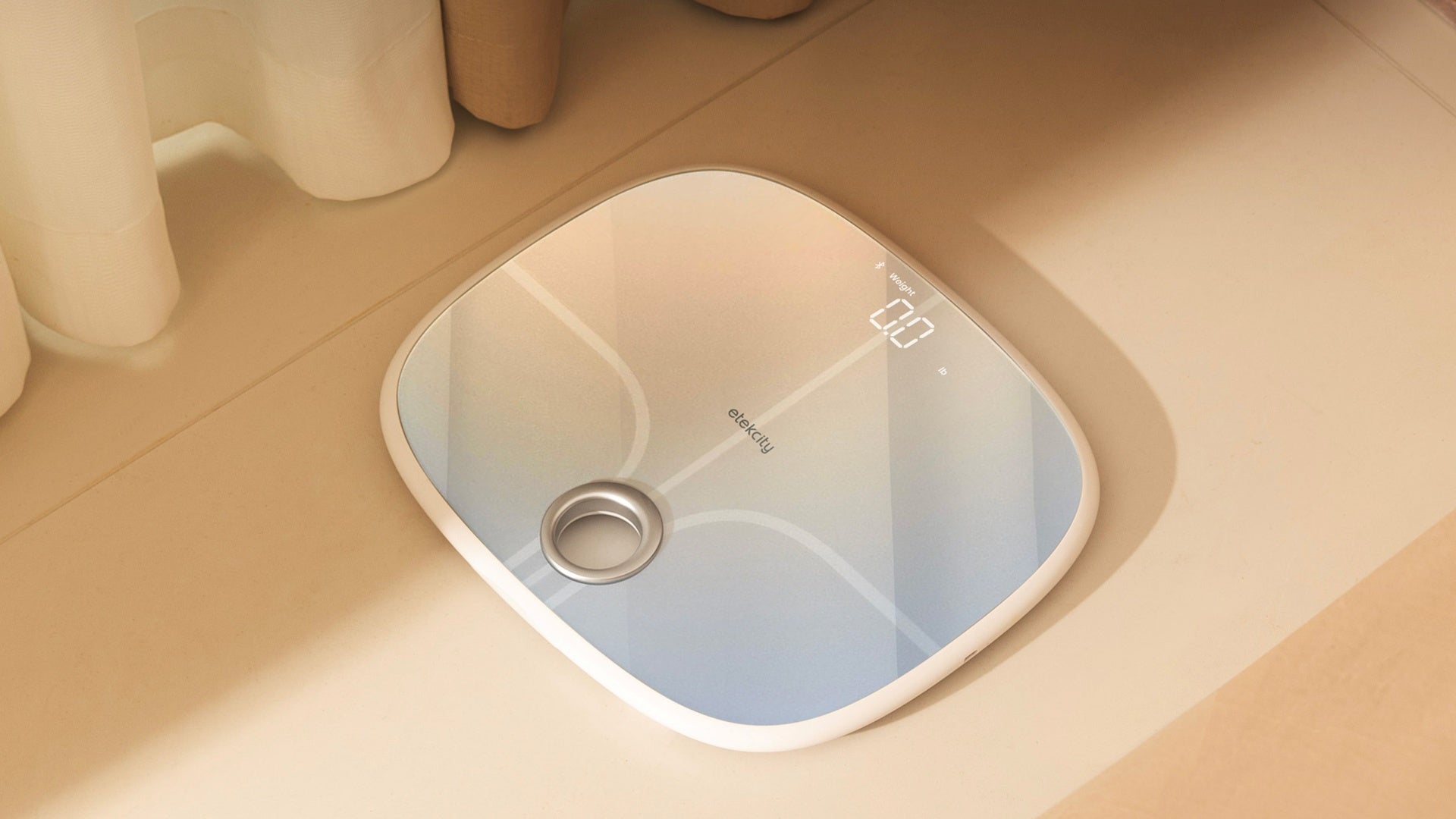
How to use a smart scale correctly
Learning how do smart weight scales work is useful, but your routine affects the results just as much as the device.
Follow these steps:
- Place the scale on a hard, flat surface.
- Install the official app and complete your profile.
- Check that your height, age, sex, and weight units are correct.
- Step on with clean, bare feet if the device uses BIA.
- Stand still with your feet placed on the electrodes.
- Keep your weight balanced across both feet.
- Measure at about the same time each day.
- Record trends instead of reacting to one reading.
- Clean the platform as directed by the manufacturer.
- Update the app and scale firmware when needed.
Avoid stepping on right after intense exercise, a large meal, or heavy fluid intake if you want a stable comparison. You do not need to measure several times a day. That often creates stress without adding useful information.
A weekly average can be more helpful than a single daily number. For example, compare the average of seven morning readings this week with the average from next week.
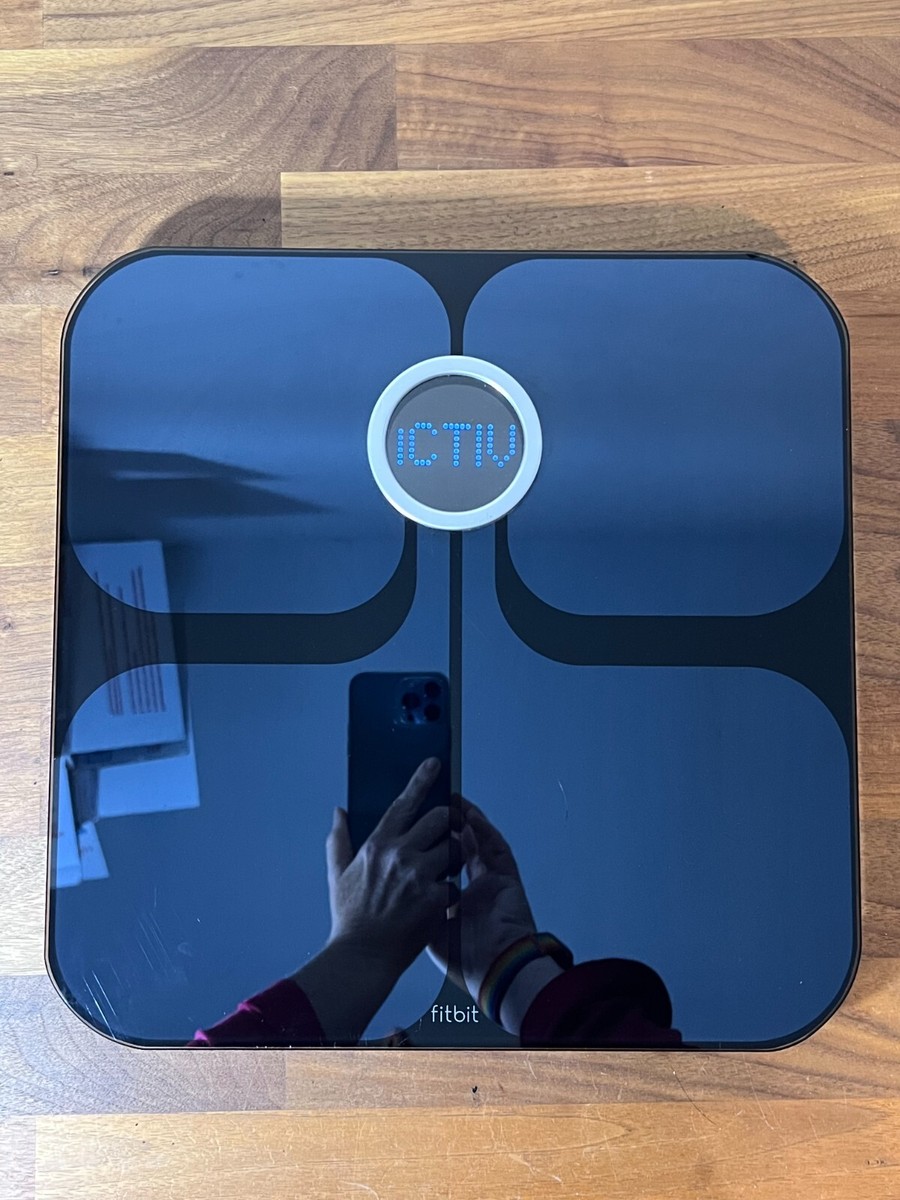
Smart scale benefits
Smart scales can support healthy habits when used with realistic goals. They make tracking simple and can reveal patterns that are hard to notice by sight alone.
Useful benefits include:
• Automatic data storage
• Weight trend charts
• Multiple user profiles
• Links with fitness apps
• Goal setting
• Progress reminders
• Easy sharing with a health professional
• More context than weight alone
The app may help you notice that your weight rises slightly after weekends but returns to normal during the week. It may also show a gradual change during a strength program that a regular scale would miss.
However, do not let the device control your mood. Body weight naturally changes from day to day. Water, food, salt, hormones, sleep, and bowel movements can all affect the result.
The best smart scale is not always the one with the most metrics. A simple model that you use consistently can be more useful than an advanced model that stays in a drawer.
Limitations and safety concerns
Smart weight scales do not replace medical tests. They cannot diagnose obesity, heart disease, diabetes, osteoporosis, or other health conditions.
Body composition estimates may be less dependable for:
• Children and teenagers
• Older adults
• Pregnant people
• Very muscular athletes
• People with significant swelling
• People with unusual body proportions
• People who are severely dehydrated
People with pacemakers, defibrillators, or other implanted electronic devices should follow medical advice before using a scale with BIA. Some manufacturers also advise pregnant users to turn off body composition functions.
A smart scale may collect sensitive health data. Before creating an account, review the app’s privacy controls. Check what data the company stores, whether it shares information, and how you can delete your account.
Treat the readings as wellness information. If you notice sudden weight gain, swelling, fainting, breathing trouble, or another concerning symptom, contact a qualified health professional instead of relying on the app.
Smart scales compared with professional body composition tests
Professional methods can offer better control and accuracy, but each method has limits.
• Dual energy X-ray absorptiometry can estimate bone, fat, and lean tissue, but it costs more and uses a small amount of radiation.
• Air displacement testing estimates body volume in a controlled chamber.
• Underwater weighing uses water displacement to estimate body density.
• Skinfold testing depends heavily on the tester’s skill.
• Clinical BIA devices may use more electrodes and stronger formulas than home scales.
A home smart scale is convenient and inexpensive. It works best as a personal tracking tool, not as a replacement for a clinical assessment.
If a doctor needs accurate body composition data, ask which test fits your health goal. For everyday weight management, consistent home readings may be enough.
Common mistakes to avoid
Many poor results come from user habits rather than broken hardware. Avoid these common errors:
• Using the scale on thick carpet
• Measuring with wet feet
• Moving the scale between rooms
• Comparing different devices
• Changing your profile details
• Weighing after exercise one day and before breakfast the next
• Obsessing over small daily changes
• Assuming estimated muscle gain is exact
• Ignoring app privacy settings
• Using the scale as a medical diagnostic tool
One lesson I have learned from reviewing smart health devices is that consistency beats complexity. A repeatable process gives you more useful information than a high-priced scale used without a routine.
If the readings seem impossible, replace the batteries, reset the scale, check the floor, and review your profile. If the problem continues, contact the manufacturer.
Frequently Asked Questions About How Do Smart Weight Scales Work
Do smart scales really measure body fat?
Smart scales estimate body fat through bioelectrical impedance analysis. They do not directly see or weigh fat, so the result can change with hydration, food, exercise, and other factors.
Are smart scales accurate for weight?
Most quality smart scales can measure body weight well when placed on a hard, level surface. For the best results, use the same scale at the same time and under similar conditions.
How do smart weight scales know muscle mass?
They estimate muscle mass from electrical resistance, body weight, and profile information such as height and age. This number may include changes in body water, so it should be viewed as a trend rather than an exact muscle measurement.
Can a smart scale measure visceral fat?
Some smart scales provide a visceral fat estimate through an algorithm. This is not a direct scan of the organs, and it should not be used to diagnose or treat a health problem.
Should you use a smart scale every day?
Daily use is fine if it does not cause stress and you measure under similar conditions. If daily changes bother you, use weekly readings or compare weekly averages instead.
Can pregnant people use smart scales?
Weight-only functions may be useful during pregnancy, but BIA functions may not be recommended. Follow the scale instructions and ask your health care provider for specific guidance.
Do smart scales work without Wi-Fi?
Many smart scales work through Bluetooth and sync when your phone is nearby. Some features may require Wi-Fi, an app account, or an internet connection.
Conclusion
Smart weight scales combine load cells, electrical sensors, wireless connections, and algorithms to estimate weight and body composition. The weight reading is usually the most dependable result, while body fat, muscle, water, and visceral fat numbers are best used for long-term patterns.
Now that you understand how do smart weight scales work, choose a device with clear privacy settings, use it on a firm floor, and measure under similar conditions. Let the data guide your habits without allowing one daily number to define your health. Explore reliable models, follow a steady tracking routine, and share your experience or questions in the comments.