Choose a purifier by room size, CADR, filter quality, noise, energy use, and your home’s specific air concerns.
Learning how to choose an effective air purification system for home use can feel confusing. Product labels often highlight smart features, sleek designs, and claims about clean air, but the most important details are usually the filter type and clean air delivery rate. This guide explains what matters, what to avoid, and how to match a purifier to your rooms, budget, and health needs.
Why Indoor Air Purity Matters
Indoor air can contain dust, pollen, pet dander, smoke particles, mold spores, and other pollutants. Because homes are sealed more tightly for energy savings, these particles may remain indoors longer than many people expect.
Cooking, cleaning, candles, fireplaces, tobacco smoke, and outdoor wildfire smoke can all affect indoor air. Some pollutants are visible, such as dust. Others are too small to see and may still irritate the eyes, nose, throat, or lungs.
An air purifier can help reduce airborne particles. However, it is not a replacement for source control. Fixing leaks, cleaning mold, improving ventilation, and keeping indoor humidity between about 30% and 50% are also important.
When learning how to choose an effective air purification system for home use, think of the purifier as one part of a larger plan. It works best when you also reduce pollution at its source.

How to Choose an Effective Air Purification System for Home Use
The best purifier is not always the most expensive model. It is the unit that can clean your room’s air often enough, uses a suitable filter, and fits your daily routine.
Use these steps when comparing models:
- Measure the room where you will use the purifier.
- Identify the main pollutants you want to reduce.
- Compare the unit’s CADR rating.
- Check whether it uses a true HEPA or high efficiency particle filter.
- Look for an activated carbon filter if odors or gases are a concern.
- Consider noise, energy use, and replacement filter costs.
- Avoid machines that intentionally produce ozone.
- Check independent testing or certification details.
- Place and maintain the purifier correctly.
This process makes how to choose an effective air purification system for home much easier. It shifts your focus from marketing claims to measurable performance.
Match the Air Purifier to Your Room Size
Room size is one of the most important factors. A small purifier may work well in a bedroom but struggle in a large living room. A large unit may clean a bigger space, but it could use more energy and create more noise.
Measure the room’s length and width, then multiply those numbers to find the floor area. For example, a room that is 12 feet by 15 feet has 180 square feet of floor space.
Check the manufacturer’s recommended room size, but treat it as a starting point. Some companies use different testing methods, so two products with the same stated coverage may not perform equally.
A better approach is to compare CADR. CADR shows how quickly a purifier can deliver filtered air. Higher CADR usually means faster cleaning.
For a general guide:
• Small bedrooms often need a purifier rated for at least 150 to 200 square feet.
• Medium rooms may need coverage of 300 to 500 square feet.
• Large living areas may require a high CADR unit or more than one purifier.
• Open floor plans often work better with multiple units because walls, furniture, and distance reduce air movement.
If you are learning how to choose an effective air purification system for home use, do not rely only on a “maximum coverage” label. A purifier may cover 1,000 square feet under ideal conditions but clean a real, divided home much less effectively.

Understand CADR and Air Changes Per Hour
CADR stands for Clean Air Delivery Rate. It measures the volume of filtered air a purifier can supply for dust, smoke, and pollen. Smoke CADR is often the most useful number because smoke particles are small and harder to capture.
A higher CADR usually means the purifier can clean a room faster. This matters during wildfire smoke events, cooking, or allergy season.
Air changes per hour, or ACH, is another useful measure. It estimates how many times a purifier can filter the air in a room each hour. The actual result depends on room size, ceiling height, doors, windows, and fan speed.
A simple estimate can help:
- Multiply the room’s length, width, and height.
- Divide the purifier’s airflow by the room volume.
- Adjust your expectations because real homes are not sealed testing chambers.
For example, a purifier with strong airflow may provide several air changes per hour in a small bedroom but far fewer in a large open room.
When considering how to choose an effective air purification system for home use, prioritize verified airflow over vague claims such as “removes all pollutants.” No purifier removes every contaminant instantly.
Choose the Right Filter Type
Different filters handle different pollutants. Understanding their roles is central to how to choose an effective air purification system for home use.
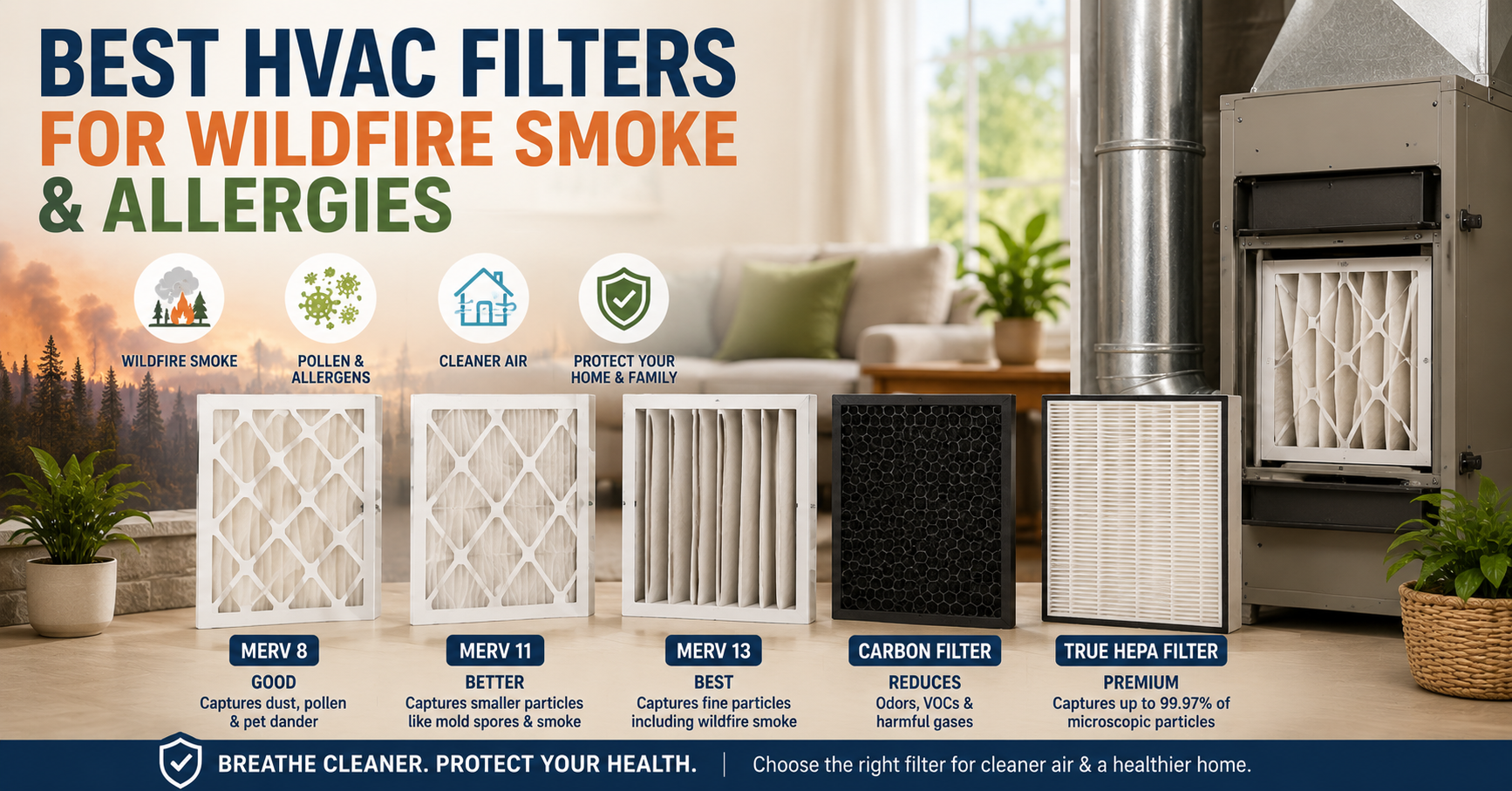
True HEPA filters
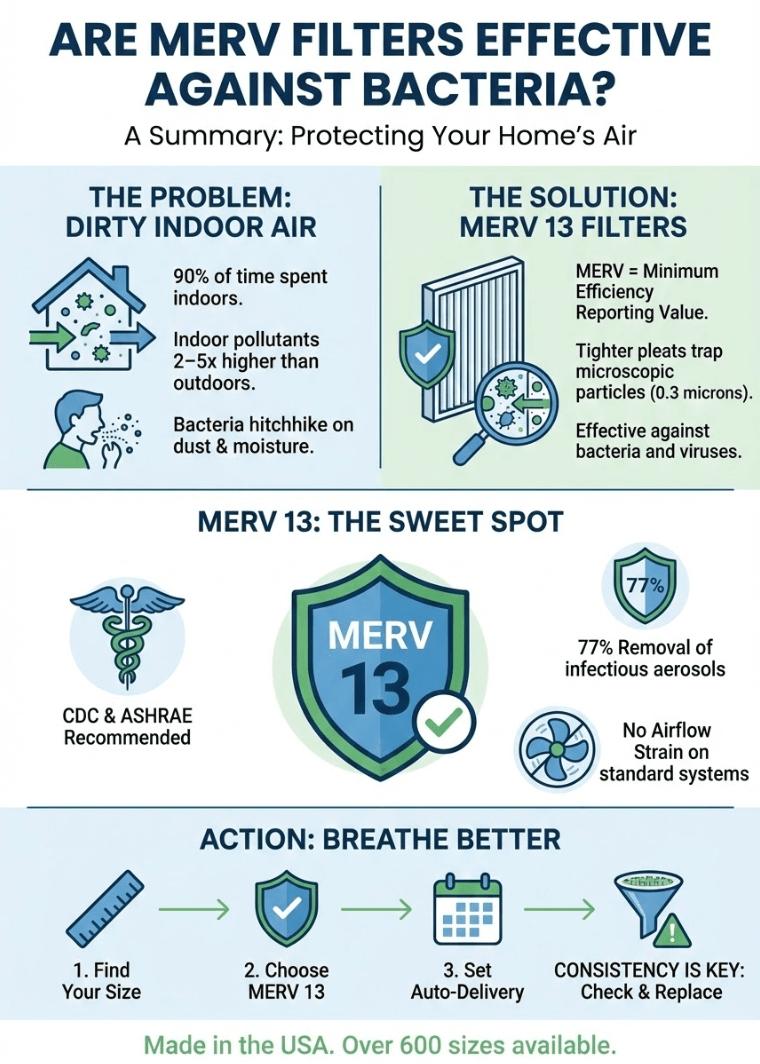
A true HEPA filter is designed to capture at least 99.97% of particles that are 0.3 microns in size under specific test conditions. This size is difficult to capture, so HEPA filters can also capture some particles that are larger or smaller.
HEPA filtration is useful for:
• Dust
• Pollen
• Pet dander
• Many mold spores
• Fine smoke particles
• Some airborne biological particles
A HEPA filter does not remove all gases or odors. It also cannot remove pollution that has already settled on carpets, furniture, or walls.
Activated carbon filters
Activated carbon helps adsorb odors and some gases, such as volatile organic compounds. It may help with cooking smells, pet odors, and tobacco smoke.
The amount of carbon matters. A thin carbon sheet may reduce mild odors, but it usually has limited capacity. A purifier with a deeper carbon bed often performs better for strong or persistent odors.
Carbon filters also become saturated. Once the carbon is full, it may no longer trap gases effectively. This is why regular filter replacement matters.
Pre filters
A washable or replaceable prefilter catches larger particles before they reach the main filter. It can extend HEPA filter life and improve airflow.
Clean the prefilter as directed. A dirty prefilter makes the fan work harder and can reduce the purifier’s performance.
UV light and ionizers
UV light may help in carefully designed systems, but its effect depends on the light intensity, exposure time, and airflow. A small UV lamp inside a fast moving portable purifier may have limited impact.
Ionizers charge particles so they cling to surfaces or settle out of the air. Some ionizing devices can produce ozone, which can irritate the lungs. For most homes, mechanical filtration is a simpler and safer choice.

Select a Purifier for Your Main Air Quality Problem
The right system depends on what you want to reduce. Before buying, list the problems you notice most often.
Allergies and seasonal pollen
Choose a purifier with a high CADR and a true HEPA filter. Place it in the bedroom or the room where you spend the most time.
Keep windows closed during high pollen periods when practical. Wash bedding regularly and clean floors with a vacuum that has a sealed filtration system.
Pet hair and dander
Pet hair is large and easy to see, but dander is much smaller. A prefilter can catch hair, while the HEPA filter captures airborne dander.
Put the purifier near the pet’s main resting area, but keep it where hair will not block the intake.
Wildfire smoke
Smoke requires strong particle filtration and good airflow. Look for a high smoke CADR, a sealed filter compartment, and activated carbon to help reduce some smoke odors and gases.
During smoke events, keep doors and windows closed when possible. Run the purifier at a higher speed and replace a smoke loaded filter sooner if airflow drops or odors remain.
Mold concerns
An air purifier may capture airborne mold spores, but it does not solve a moisture problem. Find and repair leaks, dry wet materials, and use professional help when contamination is extensive.
A purifier can support cleanup, but it should never be used as the only response to visible mold.
Cooking odors and indoor gases
Use a kitchen exhaust fan that vents outdoors whenever possible. For additional odor control, choose a purifier with a substantial activated carbon filter.
Particle filters do not remove every gas. This is one of the most important limitations to remember when learning how to choose an effective air purification system for home use.

Check Noise Levels Before You Buy
Noise is easy to overlook in a store or online listing. A purifier may sound quiet on its lowest setting but become loud at the speed needed for effective cleaning.
Noise matters most in:
• Bedrooms
• Nurseries
• Home offices
• Television rooms
• Meditation or reading spaces
Look for a published decibel rating at several fan speeds. If no noise information is available, read reviews that discuss real use rather than only appearance.
In my experience testing household equipment, people often buy a powerful purifier and then stop using it because the fan is annoying. A slightly quieter model that runs all day may clean more air over time than a louder model that stays switched off.
That practical lesson is important in how to choose an effective air purification system for home use. Usability is part of performance.

Consider Energy Use and Filter Costs
The purchase price is only one part of the cost. A purifier may run for many hours each day, and replacement filters can become a regular expense.
Before buying, check:
• Replacement filter price
• Recommended replacement schedule
• Electricity use
• Warranty length
• Availability of genuine filters
• Cost of shipping or subscription plans
Many filters last about six months to one year, but the true life depends on pollution levels, fan speed, pets, smoke, and dust. A filter used during wildfire season may need replacement sooner.
A dirty filter can restrict airflow. When airflow falls, the purifier may clean less air while using more energy. Follow the manufacturer’s instructions and replace the filter when it is loaded, damaged, or producing an odor.
Do not wash a disposable HEPA filter unless the manufacturer specifically says it is washable. Water can damage the filter media and reduce its effectiveness.
Look for Safety Features and Reliable Testing
Safety should be part of how to choose an effective air purification system for home use, especially in homes with children, pets, asthma, or lung disease.
Prefer units that:
• Do not intentionally produce ozone
• Have a stable base
• Include a secure filter cover
• Use certified electrical components
• Provide clear maintenance instructions
• Offer a real warranty and customer support
Be cautious with claims such as “removes 99.99% of everything” or “eliminates all viruses.” These statements may refer to controlled laboratory tests, not an entire home.
A purifier can reduce airborne particles, but it cannot guarantee that people will not become sick. It also cannot replace medical care, ventilation, cleaning, or public health guidance.
Some independent testing programs evaluate CADR, electrical safety, and ozone emissions. These checks can add confidence, but no certification removes the need to inspect the product’s actual specifications.
Place the Purifier Correctly
Even the best purifier cannot work well if it is hidden behind a sofa or pushed against a wall.
Use these placement tips:
- Keep the air intake and outlet clear.
- Leave space around the unit as the manual recommends.
- Place it near the pollution source when safe.
- Keep it in the bedroom if nighttime allergies are the main concern.
- Avoid placing it directly beside curtains or piles of clothing.
- Do not cover the purifier while it is running.
- Keep cords away from walkways and young children.
For a bedroom, place the purifier several feet from the bed, with the outlet directed toward the open room. For wildfire smoke, place it in the room where people spend the most time and close the door if possible.
In an open floor plan, one purifier may not create equal airflow across every area. Multiple smaller units can sometimes work better than one large unit because they reduce the distance air must travel.
Use Smart Sensors Carefully
Many current purifiers include air quality sensors, mobile apps, and automatic modes. These features can be helpful, but they are not perfect.
A sensor may detect particles near the purifier without measuring the air across the entire room. Some sensors also respond to cooking, humidity, or other changes in the air.
Automatic mode may lower the fan too quickly after a sensor reading improves. If someone in the home has strong allergies or breathing problems, a steady low or medium setting may be more useful than relying only on automatic mode.
Smart features are convenient, but they should not replace CADR, filter quality, and good maintenance. When learning how to choose an effective air purification system for home use, treat technology as an extra benefit rather than the main reason to buy.
Common Mistakes to Avoid
Several buying mistakes appear again and again.
• Choosing by appearance instead of CADR
• Buying a purifier that is too small for the room
• Assuming HEPA removes odors and gases
• Expecting a purifier to fix mold or poor ventilation
• Ignoring replacement filter prices
• Running the purifier only for a few minutes
• Blocking the intake or outlet
• Trusting vague claims without test details
• Buying an ozone generator for routine home use
• Forgetting to clean the prefilter
One lesson I learned early is that a purifier must fit the household routine. If filter changes are difficult, the controls are confusing, or the sound is unpleasant, maintenance tends to slip. A simple unit that people use consistently is often more effective than a feature packed model that sits unused.
A Simple Buying Checklist
Use this checklist before placing an order:
• Room size: Is the purifier rated for the actual room?
• CADR: Is the smoke CADR strong enough for the space?
• Filter: Does it include a true HEPA or comparable particle filter?
• Carbon: Is there enough activated carbon for your odor concerns?
• Noise: Can you tolerate the sound at a useful fan speed?
• Cost: Can you afford replacement filters?
• Safety: Does the unit avoid intentional ozone production?
• Maintenance: Can you clean and replace filters easily?
• Placement: Do you have a clear location with good airflow?
• Evidence: Are the performance claims specific and verifiable?
This checklist turns how to choose an effective air purification system for home use into a practical shopping task. You do not need to understand every technical term to make a sound choice.
Frequently Asked Questions About How to Choose an Effective Air Purification System for Home
What is the best type of air purifier for a home?
For most homes, a portable purifier with a strong CADR, a true HEPA filter, and activated carbon is a sensible choice. The best model still depends on room size, pollution type, noise tolerance, and filter cost.
How do I know what size air purifier I need?
Measure the room and compare its floor area with the purifier’s tested coverage. Choose based on CADR when possible, because CADR gives a clearer idea of cleaning speed than a broad coverage claim.
Is a HEPA filter enough to remove odors?
No. HEPA filters capture particles but do not effectively remove most gases or odors. An activated carbon filter is needed for better odor control, although carbon capacity varies greatly between products.
Should I run my air purifier all day?
Running a purifier for longer periods usually provides more consistent particle reduction than using it for short bursts. Use a lower setting for quiet, continuous cleaning and a higher setting during cooking, dusting, or wildfire smoke.
Are ionizers and ozone generators safe for home use?
Ozone generators are not a good choice for routine home air cleaning because ozone can irritate the lungs. Ionizers may also create ozone, so choose a mechanical filtration system with clearly stated ozone emissions.
How often should I replace an air purifier filter?
Many filters need replacement every six to twelve months, but heavy dust, pets, smoke, and high fan speeds can shorten that period. Follow the manual and replace the filter sooner if airflow drops or unpleasant odors persist.
Can an air purifier prevent mold?
An air purifier can capture some airborne mold spores, but it cannot remove the moisture that causes mold growth. Repair leaks, dry damp areas, and address visible mold directly.
Conclusion
Choosing an effective air purification system for home use starts with your room size and air quality needs. Focus on CADR, reliable particle filtration, activated carbon for odors, safe operation, reasonable noise, and affordable replacement filters.
Remember that a purifier works best alongside source control, ventilation, cleaning, and humidity management. Measure your space, compare verified specifications, and choose a unit you can run and maintain every day.
Use the checklist before you buy, then share your room size and main air concern in the comments or explore more indoor air quality resources to make your home cleaner and more comfortable.