Install a door draft stopper by measuring the door, choosing the right type, and securing it without blocking movement.
Learning how to install a door draft stopper can make a room warmer, quieter, and more comfortable in one small project. This guide explains the tools, measurements, installation methods, common mistakes, and simple checks that help create a snug seal without damaging your door.
Why Install a Door Draft Stopper?
A door draft stopper blocks air that slips through the gap beneath or around a door. Cold air can enter in winter, while cooled air can escape during summer. This makes your heating and cooling system work harder.
A door draft stopper may also help reduce dust, light, insects, and outdoor noise. It will not replace proper weatherstripping or fix a badly warped door, but it can solve many small air leaks.
Common signs of a door draft include:
- A cold strip of air near the floor
- Visible daylight under the door
- Curtains moving when the door is closed
- A room that feels colder than nearby rooms
- Higher heating or cooling use
- Dust or insects entering through the gap
The U.S. Department of Energy recommends sealing air leaks around doors and windows as part of a broader home energy plan. A draft stopper is a simple first step, especially in older homes.
Choose the Right Type of Door Draft Stopper
Before learning how to install a door draft stopper, identify the type that fits your door. The best option depends on the door material, floor surface, door swing, and size of the gap.
Under-door draft snake
A draft snake is a fabric tube filled with foam, cotton, or another material. It rests against the bottom of the door. Some models attach to the door with straps or clips, while others simply sit in place.
This type works well for:
- Interior doors
- Renters
- Uneven floors
- Temporary seasonal use
It may move when the door opens or close poorly if it is too large.
Door sweep
A door sweep is a strip of rubber, vinyl, brush, or silicone attached to the bottom of the door. It moves with the door and gives a more permanent seal.
Door sweeps are a strong choice for:
- Exterior doors
- Wood doors
- Metal doors
- Doors with a regular gap below them
Automatic door bottom
An automatic door bottom drops a seal when the door closes. It lifts when the door opens, which helps reduce floor contact and wear.
This option works well for:
- Entry doors
- Office doors
- Doors with rugs or uneven flooring
- Situations that need a neat, lasting seal
Installation is more complex than fitting a basic draft snake or screw-on sweep.
Adhesive foam seal
Adhesive foam works around the sides and top of a door frame. It is not usually a replacement for a bottom draft stopper, but it can seal small gaps around the jamb.
Use it on clean, dry surfaces. Adhesive products may fail on dusty, damp, or peeling paint.

Tools and Materials You May Need
Most people can complete this project with basic household tools. Gather everything before you begin so you do not need to stop halfway through.
You may need:
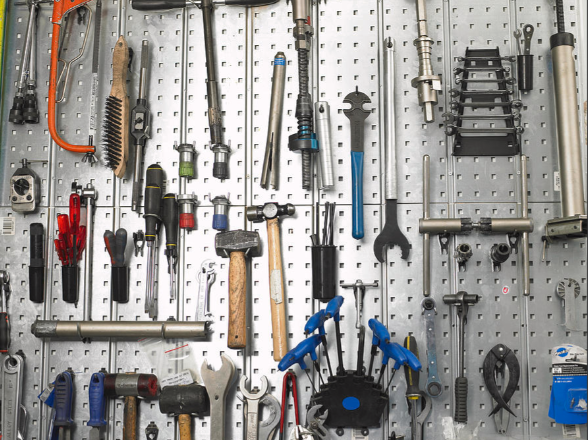
- A tape measure
* A pencil - Scissors or a utility knife
- A screwdriver
- A drill and small drill bit
- Screws supplied with the door sweep
- A level or straightedge
- Cleaning cloth
- Mild soap and water
- The correct door draft stopper
For metal doors, use screws made for metal or follow the product instructions. For a rental home, choose a removable draft snake or an adhesive model that will not leave residue.
Always check the product instructions first. Some door sweeps require the door to be removed, while others can be installed while the door stays on its hinges.

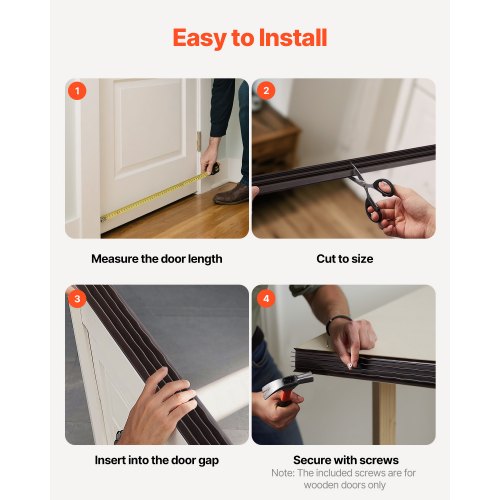
Measure the Door and the Gap
Accurate measurements are the key to learning how to install a door draft stopper correctly. A seal that is too short leaves gaps at the corners. A seal that is too long may rub against the frame.
Follow these steps:
- Close the door fully.
- Measure the width of the door at the bottom.
- Measure the gap between the door and the floor at the left, center, and right.
- Record the largest gap.
- Check whether the floor is level or slopes.
- Confirm that the door can still open over nearby rugs.
If the three gap measurements differ, use a flexible sweep or brush seal. A rigid seal may leave an opening on one side.
For a removable draft snake, measure the door width and add enough length for both ends to rest against the frame. For a door sweep, choose a model that matches or exceeds the door width. Trim only after checking the instructions.
A useful test is to slide a sheet of paper under the closed door. If it moves freely with little resistance, air may also be passing through. Do not make the seal so tight that the door becomes hard to open.

How to Install a Door Draft Stopper: Screw-On Door Sweep
A screw-on sweep is one of the most reliable choices for an exterior door. It stays attached when the door opens and closes, and it can last for years when fitted well.
- Clean the bottom of the door with mild soap and water.
- Let the surface dry fully.
- Hold the sweep against the inside face of the door.
- Position the lower edge so it lightly touches the floor or threshold.
- Mark the screw holes with a pencil.
- Remove the sweep and drill small pilot holes if needed.
- Attach the sweep with the supplied screws.
- Open and close the door several times.
- Trim any excess material if the product allows it.
Place the sweep on the side of the door that faces inside the room in most cases. This protects the seal from rain and direct outdoor exposure. Some exterior doors require the sweep on the outside, so follow the design of the door and the product instructions.
Do not press the sweep too tightly against the floor. A small amount of contact is enough. Too much pressure can make the door drag, damage the seal, or loosen the screws.

How to Install a Door Draft Stopper: Adhesive Model
An adhesive door draft stopper is fast and does not require drilling. It is useful for apartments, dorm rooms, and light interior doors.
- Wash the door surface with mild soap and water.
- Remove grease, dust, and loose paint.
- Dry the surface completely.
- Measure and cut the stopper to the door width.
- Peel back a small part of the adhesive liner.
- Align the stopper with the bottom edge.
- Press it into place while slowly removing the rest of the liner.
- Hold firm pressure along the full length.
- Wait for the recommended bonding time before using the door often.
Apply the stopper to a warm, dry surface when possible. Cold air and moisture can weaken many adhesives.
One lesson from testing adhesive seals is that surface preparation matters more than people expect. A door can look clean but still have dust or oil that prevents a strong bond. Rushing this step often causes the stopper to peel within days.

How to Install a Door Draft Stopper on a Sliding Door
Sliding doors need a different approach because they do not swing over the threshold. A standard screw-on sweep may interfere with the track.
For a sliding patio door:
- Inspect the existing brush seal first.
- Replace worn or flattened brush seals with the correct profile.
- Use a thin adhesive seal only if it does not block the rollers.
- Check the meeting point where the two panels overlap.
- Keep the track free of foam, fabric, and loose material.
- Slide the door several times after installation.
Do not place a thick draft snake in the sliding track. It can prevent the door from closing, damage the rollers, or create a safety problem.
For a barn door or other sliding interior door, use a side seal or a wall-mounted brush strip. The seal should close the gap without stopping the door from moving.

Seal the Sides and Top of the Door
A bottom draft stopper cannot fix every leak. Air may also enter around the door frame. If you feel a draft near the hinges or latch, inspect the sides and top.
Weatherstripping is often the best solution. Foam tape, rubber compression seals, and V-strip products can work well when matched to the gap.
To install side and top weatherstripping:
- Close the door and inspect the frame.
- Clean the contact area.
- Measure each side and the top separately.
- Cut the weatherstripping to length.
- Attach it without stretching the material.
- Close the door to test the pressure.
- Remove or reposition any section that prevents the latch from working.
The door should close with gentle pressure and latch normally. If you must force it shut, the seal is too thick or placed too far toward the door edge.

Test the Door Draft Stopper
Testing shows whether learning how to install a door draft stopper produced a real seal. Perform the checks during both daylight and nighttime if possible.
Try these simple tests:
- Hold a tissue near the bottom and sides of the closed door.
- Look for daylight around the frame.
- Use your hand to feel for cold air.
- Check whether the door latches normally.
- Slide a sheet of paper under the seal.
- Listen for rubbing or scraping when the door moves.
A smoke pencil can help locate small leaks, but use caution around flames and follow all safety instructions. Never use an open flame near curtains, wood, cleaning products, or other flammable items.
If air still enters, inspect the corners first. Gaps at the left and right ends are common. Also check the threshold, because a damaged or uneven threshold may need repair before a draft stopper can work well.

Common Mistakes to Avoid
Even a simple door project can go wrong when the seal is fitted too tightly or installed on a dirty surface.
Avoid these mistakes:
- Buying a stopper without measuring the gap
- Covering the door’s drainage holes
- Installing a sweep that touches too firmly
- Placing adhesive on dusty paint
- Stretching foam weatherstripping
- Ignoring an uneven threshold
- Blocking a door that must close quickly
- Using an indoor fabric stopper on an exposed exterior door
- Forgetting to test the latch after installation
- Drilling into glass, wiring, or hidden hardware
Fire doors and doors used as emergency exits need special care. Do not add a product that prevents them from closing, latching, or opening safely. In commercial spaces, follow local building and fire safety rules.
How to Improve Energy Savings Beyond a Draft Stopper
A door draft stopper helps with comfort, but it is only one part of air sealing. If the room remains cold, look for other causes.
Inspect:
- Window frames
- Baseboards
- Electrical outlets on exterior walls
- Attic and crawl space openings
- Fireplace dampers
- Ductwork near the room
- Cracks around the door frame
- Worn thresholds
The greatest savings depend on the home, climate, door condition, and heating system. A stopper may make one room feel better without producing a large change in the total energy bill.
If you rent, start with removable products. If you own the home and notice large gaps, consider replacing the threshold, repairing the frame, or having an energy professional perform an air-leak test.
Maintenance and Replacement Tips
A draft stopper needs occasional care. Dirt can reduce flexibility and create gaps. Inspect it at the start of each heating and cooling season.
Clean rubber and vinyl seals with mild soap and water. Do not use harsh solvents unless the manufacturer approves them. Replace the seal when it becomes cracked, flattened, brittle, or permanently bent.
Check the screws on a door sweep once or twice a year. Tighten loose screws gently, but avoid stripping the door material. If the holes become loose in wood, use a suitable repair method before reinstalling the sweep.
A fabric draft snake may need washing or refilling. Follow its care label, and keep it dry to prevent odors or mold.
Frequently Asked Questions About How to Install a Door Draft Stopper
What is the easiest way to install a door draft stopper?
The easiest method is to use an adhesive strip or a fabric draft snake. Clean the door first, measure the width, attach or place the stopper, and test that the door still opens and closes freely.
Should a door draft stopper touch the floor?
It should touch the floor lightly or sit just above it, depending on the design. Too much pressure can make the door drag and may damage both the seal and the floor.
Can I install a door draft stopper without drilling?
Yes. Adhesive seals, fabric draft snakes, and some slide-on models need no drilling. Adhesive products work best on clean, smooth, dry surfaces.
Where should a door sweep be installed?
A door sweep is commonly installed along the bottom of the door on the interior side. The correct position can vary by door design, weather exposure, and manufacturer instructions.
How do I stop drafts around the sides of a door?
Install weatherstripping along the hinge side, latch side, and top of the frame. The material should compress slightly when the door closes but should not stop the latch from working.
Why is my door draft stopper not working?
It may be too short, too loose, too thick, or poorly attached. Check the corners, measure the gap again, clean the surface, and inspect the threshold for damage or uneven areas.
Conclusion
Learning how to install a door draft stopper is a practical home improvement task that most people can finish with a tape measure, basic tools, and careful testing. Choose the right type, measure the door and gap, install the seal without excess pressure, and check the latch before calling the project complete.
Start with the room that feels drafty, and use a removable model if you rent. A few careful minutes can make the space more comfortable and help reduce unwanted air movement. Try the steps today, then share your results or explore more home energy-saving projects.