
A night light is usually 5 to 20 lumens, enough to guide you without lighting the room.
If you are wondering how bright is a night light, the answer depends on its bulb, color, placement, and purpose. A soft light for a nursery should be much dimmer than a hallway light used to prevent trips. This guide explains brightness in lumens and lux, shows what different levels look like, and helps you choose a comfortable night light for sleep, safety, or comfort.
How Bright Is a Night Light in Lumens?
Most night lights produce between 5 and 20 lumens. This is far less light than a standard bedroom lamp, which may produce 450 to 800 lumens.
To understand how bright is a night light, imagine these common brightness levels:
- 1 to 5 lumens: Very dim and gentle. This works well near a bed or in a nursery.
- 5 to 10 lumens: Soft enough for sleep but bright enough to show nearby objects.
- 10 to 20 lumens: Useful for halls, bathrooms, and stairs.
- 20 to 40 lumens: Noticeably bright and better for movement than sleep.
- More than 40 lumens: Often too bright for a bedroom unless it has a dimmer or points away from the bed.
Lumens measure the total amount of visible light from a source. A higher lumen number usually means a brighter night light, but the design also matters. A covered lamp may feel softer than an exposed LED with the same lumen rating.
What Does a Night Light Look Like at Different Brightness Levels?
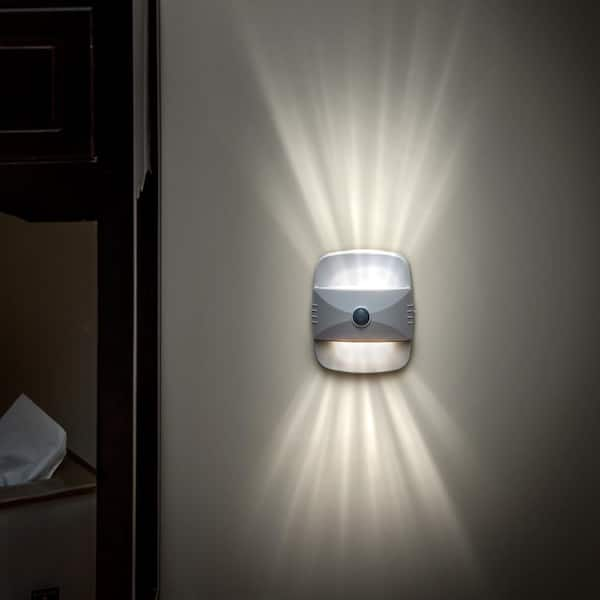
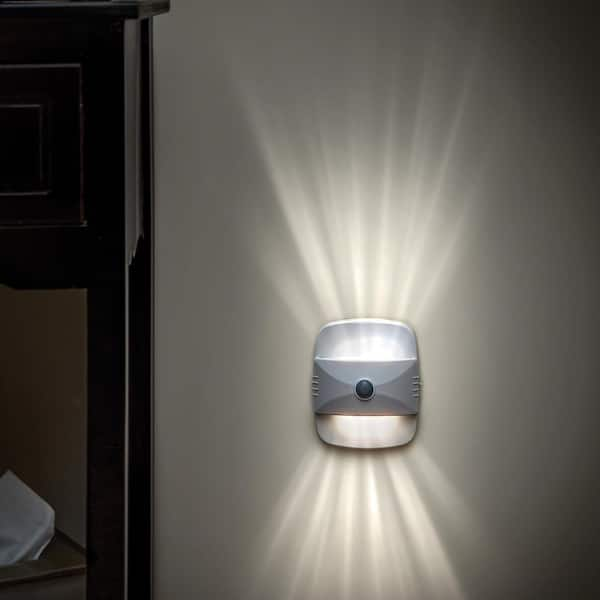
Numbers help, but real-life brightness is easier to understand through examples. How bright is a night light in your room will depend on wall color, room size, and how close you are to the lamp.
A 1 to 5-lumen light may look like a tiny glow. It can help your eyes adjust without making the room feel lit. This level is often ideal beside a sleeping child or adult.
A 5 to 15-lumen light gives a clearer view. You may be able to see the floor, a doorway, or the edge of a bed. It is a good middle ground for many homes.
A 15 to 40-lumen light can brighten a small area. It may help you walk safely to the bathroom, but it can also disturb light-sensitive sleepers if it shines toward the bed.
A night light with 50 lumens or more may feel closer to a small lamp. It can be useful in a dark stairwell or garage, but it is rarely the best choice for sleep.

How Bright Is a Night Light Compared With Other Lights?
Comparing a night light with familiar bulbs makes its brightness easier to picture.
- A candle produces roughly 10 to 15 lumens, although the light flickers and spreads differently.
- A typical 40-watt incandescent bulb produces about 450 lumens.
- A standard 60-watt incandescent bulb produces about 800 lumens.
- A phone flashlight can produce far more concentrated light than a night light.
- A small LED night light often produces 5 to 20 lumens.
This comparison shows why a night light feels gentle. It gives off a small amount of light over many hours, rather than flooding the room like an overhead fixture.
Still, placement changes everything. A 10-lumen light aimed at the wall may feel calm. The same 10-lumen light aimed directly at your eyes may feel harsh.
Lumens and Lux: What Is the Difference?
Lumens tell you how much light a lamp produces. Lux tells you how much light reaches a surface.
One lux equals one lumen spread across one square meter. A night light can have a low lumen rating but create high lux on a nearby wall, table, or floor because the light is concentrated.
This difference explains why two products with similar lumen ratings may not look equally bright. A wide diffuser spreads light gently. A narrow lens sends light into a smaller area and may appear stronger.
When asking how bright is a night light, check both the lumen rating and the lamp design. Look for these details:
- Lumen output
- Light direction
- Diffuser or cover
- Distance from the bed
- Color temperature
- Dimming options
- Motion sensor settings
Manufacturers do not always list lux for small night lights. In that case, the lumen rating and product photos can provide a useful starting point, but testing the lamp in your own room is still best.

What Brightness Is Best for Sleeping?
For sleep, a dim night light is usually better than a bright one. Many sleep experts advise keeping the bedroom as dark as possible because light can affect the body’s natural sleep signals.
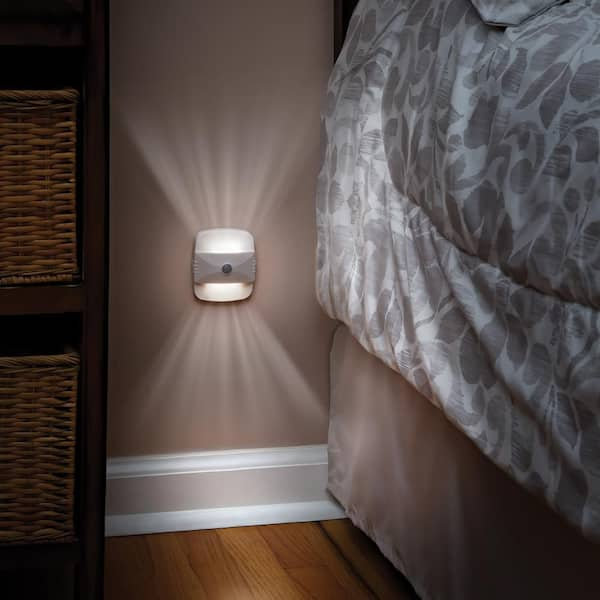
If you need a light, try a product in the 1 to 10-lumen range. Place it low to the floor, behind furniture, or across the room. This lets you see without placing a bright point of light near your eyes.
Warm colors are often more comfortable at night. Red, amber, and orange light tend to feel less stimulating than cool white or blue light. This does not mean colored light is automatically harmless or perfect for everyone, but it may be a better choice for nighttime use.
A practical setup looks like this:
- Start with the lowest brightness.
- Place the light near the floor.
- Aim it at a wall or down toward the ground.
- Use a timer or motion sensor if possible.
- Increase brightness only if you cannot move safely.
The best answer to how bright is a night light for sleep is usually “just bright enough to see, but not bright enough to notice strongly.”
How Bright Should a Nursery Night Light Be?
A nursery night light should provide comfort and visibility without turning the room into a bright sleep space. A low setting between 1 and 5 lumens is often enough for checking on a baby or moving around quietly.
Avoid placing the light directly beside the crib or at the child’s eye level. A lamp across the room or near the floor creates softer, less direct light.
It is also wise to avoid night lights that become hot. LED models are usually a safer choice because they use little energy and produce less heat than traditional incandescent bulbs. Keep cords away from the crib, and follow safe sleep guidance by keeping loose items and electrical cords out of the sleep area.
A night light should never replace regular supervision or safe nursery practices. It is simply a comfort and visibility tool.

How Bright Is a Night Light for a Hallway or Bathroom?
A hallway or bathroom may need more light than a bedroom. A range of 10 to 30 lumens can provide enough visibility for walking without forcing your eyes to adjust to a bright lamp.
Motion-activated lights are useful in these areas. They turn on only when needed and reduce the chance of leaving a light on all night.
For stairs, brightness and placement matter more than the lumen number alone. The light should reveal each step and reduce shadows. You may need more than one small light if the staircase is long or turns sharply.
For a bathroom, choose a light that does not shine into the mirror or directly into your eyes. A low wall outlet light or a plug-in model aimed toward the floor often works well.

Does Light Color Affect Night Light Brightness?
Yes. Light color can change how bright a night light appears, even when the lumen output stays the same.
Cool white light often appears sharper and brighter. It can make walls and objects look clear, but it may feel too strong during the night. Warm white light usually feels softer and more relaxing.
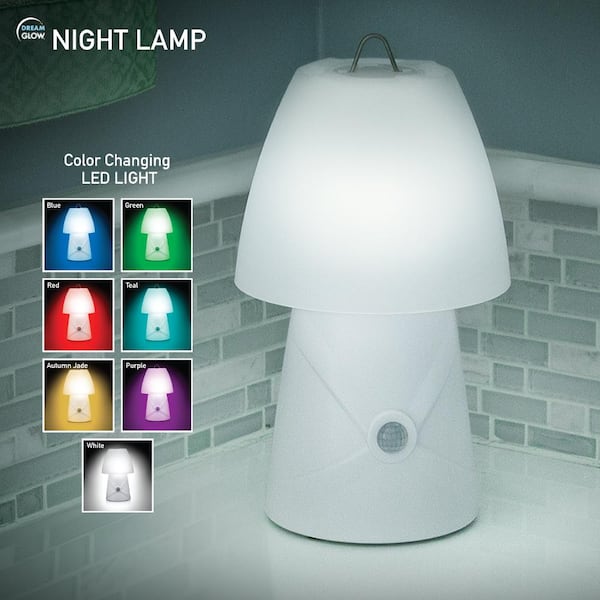
Red and amber lights are popular for bedrooms because they create a gentle glow. Green and blue lights can look attractive, but blue-rich light may feel more alerting to some people.
Consider these general choices:
- Red or amber: Best for a soft, low-stimulation glow.
- Warm white: Comfortable for bedrooms and hallways.
- Neutral white: Clearer for stairs and task areas.
- Cool white: Bright-looking and useful for safety, but often less relaxing.
Color does not replace brightness control. A bright red lamp can still disturb sleep, while a dim warm-white lamp may be comfortable.

How to Choose the Right Night Light Brightness
Choosing how bright is a night light becomes easier when you begin with its main job. A light for sleep needs different settings from one used to light a stairway.
Use this simple guide:
- For sleeping: Choose 1 to 5 lumens.
- For checking a baby: Choose 1 to 10 lumens.
- For a bedroom doorway: Choose 5 to 15 lumens.
- For a hallway: Choose 10 to 30 lumens.
- For stairs: Choose 20 to 50 lumens, depending on shadows and layout.
- For a bathroom: Choose 10 to 30 lumens.
- For older adults with poor night vision: Consider a brighter, well-placed light with low glare.
A dimmer is one of the most useful features. It lets you adjust the light as your needs change. A motion sensor can also help because the light is off while you sleep and turns on only when you get up.
In my recommended setup process, I always start with less light than I think I need. It is easy to increase brightness, but a lamp that is too bright can make the whole room feel uncomfortable.
Common Mistakes That Make a Night Light Feel Too Bright
People often focus only on the lumen number. In practice, glare and placement can matter just as much.
Common mistakes include:
- Placing the light beside the pillow
- Choosing an exposed LED with no diffuser
- Pointing the lamp toward the bed
- Using a cool white light at full brightness
- Installing one bright lamp instead of two soft lights
- Ignoring reflections from white walls or mirrors
- Using a light that stays on all night when a sensor would work better
A useful test is to lie in bed with the room lights off. Look toward the night light for a few seconds, then close your eyes. If you still see a bright spot or feel glare, move the lamp farther away or lower its brightness.
This simple test often gives a better answer to how bright is a night light than the package label alone.
Benefits and Limitations of Night Lights
Night lights offer several practical benefits. They can reduce the risk of bumping into furniture, help children feel secure, and make nighttime care easier. They may also help older adults move around more safely.
However, a night light is not always helpful. Too much light may interrupt sleep or make it harder to return to sleep after waking. Some people are more sensitive to light than others.
Other limitations include:
- Bright light can create strong shadows.
- A poorly placed lamp may cause glare.
- Cheap LEDs may flicker or fail early.
- Plug-in models may block nearby outlets.
- Batteries need regular replacement.
- A night light cannot fix poor stair or hallway design.
If sleep quality gets worse after adding a light, try a lower setting, warmer color, or indirect placement. If you still need bright light for safety, focus on shielding the light from the bed rather than removing it completely.
Energy Use and Safety Tips
LED night lights are usually the most efficient option. They use very little power and can run for long periods without becoming hot. A model with an automatic sensor can reduce energy use even further.
Choose products with clear safety instructions and reliable construction. Avoid damaged cords, loose plugs, cracked covers, and lights that feel hot during normal use.
Follow these safety tips:
- Keep lights and cords away from water.
- Do not cover a night light with fabric.
- Keep cords away from cribs and walkways.
- Replace products that spark, smell unusual, or overheat.
- Use the correct voltage and outlet type.
- Do not overload an outlet with several plug-in devices.
- Clean dust from vents and sensors.
For children, place the light where they cannot pull it down or chew the cord. A battery-powered model may work better in some rooms, but keep batteries secured inside the device.
A Simple Way to Test Night Light Brightness at Home
You do not need special equipment to find out how bright is a night light in your room. Your eyes, room layout, and daily routine provide useful information.
Try this five-step test:
- Turn off all other lights.
- Place the night light where you plan to use it.
- Walk from the doorway to the bed or bathroom.
- Check whether you can see obstacles and changes in floor level.
- Lie down and check for glare or unwanted light.
Test the light at bedtime and again after waking during the night. Your eyes may respond differently when you are tired or moving from a dark room.
If the floor is hard to see, move the light lower or add a second dim light. If the room feels bright, use a diffuser, lower the setting, or aim the lamp at a wall.
Frequently Asked Questions About How Bright Is a Night Light
How many lumens should a night light have?
Most bedroom night lights work well at 1 to 10 lumens. Hallways and stairs may need 10 to 30 lumens, depending on room size, shadows, and the user’s eyesight.
Is a night light bright enough to read by?
Usually, no. Most night lights provide enough light to walk or find nearby objects, but reading needs a focused lamp with much higher brightness.
What color night light is best for sleep?
Warm white, amber, or red light is often more comfortable at night than cool white or blue-rich light. Keep the brightness low and place the lamp away from your face.
Can a night light disturb sleep?
Yes. A bright night light, especially one near the bed, may make sleep harder for light-sensitive people. Try a dim setting, indirect placement, or a motion sensor.
Is 20 lumens too bright for a night light?
Twenty lumens is not always too bright, but it may feel strong in a small bedroom. It is often better for a hallway or bathroom unless the light is covered, dimmed, or aimed away from the bed.
Are LED night lights safe to leave on all night?
Many LED night lights are designed for long use and produce little heat. Still, inspect the cord, plug, and housing, and follow the product’s safety instructions.
Where should a night light be placed?
Place it low to the floor and aim it toward the floor or a wall. Avoid placing it directly beside your head or where it shines into your eyes.
Conclusion
So, how bright is a night light? Most models produce about 5 to 20 lumens, but the ideal level depends on whether you need gentle sleep lighting, a nursery glow, or clear hallway visibility.
Start with the lowest brightness that lets you move safely. Choose warm or amber light, use indirect placement, and look for dimming or motion-sensor features. Test the light in your real room instead of relying only on the package number.
Find a setting that protects both comfort and safety, then share your experience or explore more practical home lighting guides.



One Comment