
You can get a fire extinguisher from a local hardware store, online retailer, fire safety company, or fire department.
Knowing how to get a fire extinguisher is about more than finding the cheapest red canister. You need the right type, size, rating, and certification for your home, car, workplace, or boat. This guide explains what to buy, where to buy it, how to check it, and how to use it safely.
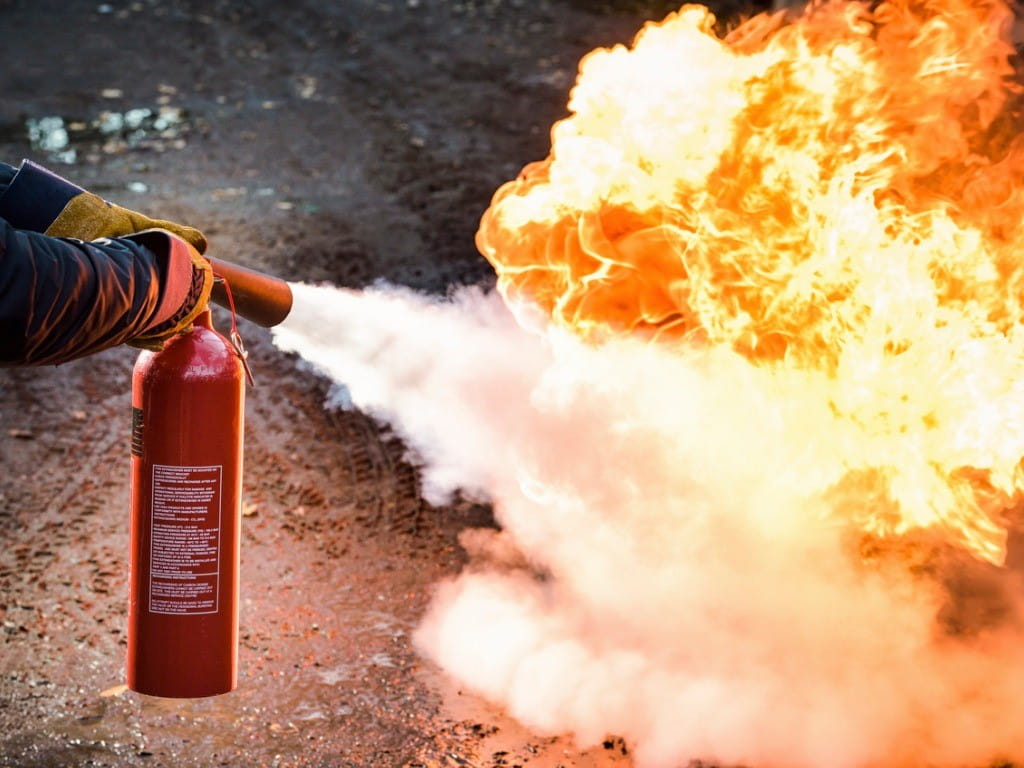
Decide What Kind of Fire Extinguisher You Need
The first step in how to get a fire extinguisher is identifying the fires you may face. Different extinguishers work on different fuel sources. Using the wrong type can make a fire worse.
Most household extinguishers are labeled with fire classes:
• Class A: Wood, paper, cloth, cardboard, and many plastics
• Class B: Gasoline, oil, paint, solvents, and other flammable liquids
• Class C: Energized electrical equipment
• Class D: Combustible metals, such as magnesium or titanium
• Class K: Cooking oils and fats used in commercial kitchens
For most homes, an ABC-rated extinguisher is a practical choice. It can handle ordinary combustibles, flammable liquids, and energized electrical equipment.
Common Extinguisher Types
Each extinguisher uses a different agent. The label should tell you what it can safely put out.
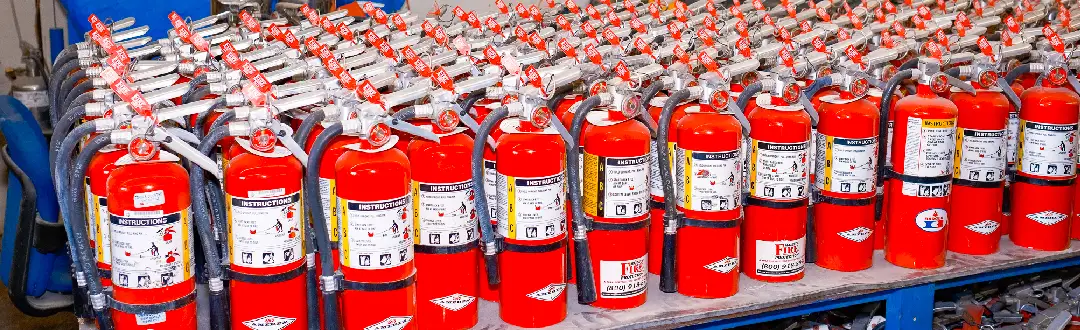
• Dry chemical: Common in homes and vehicles. Many ABC models use monoammonium phosphate.
• Carbon dioxide: Useful for some electrical and flammable-liquid fires. It leaves little residue but may not work well on materials that can reignite.
• Water: Designed mainly for Class A fires. Never use water on grease, gasoline, or energized electrical equipment.
• Wet chemical: Made for cooking oil and grease fires. Class K models are common in restaurants.
• Clean agent: Used around sensitive electronics because it leaves little or no residue.
A household kitchen still needs care. An ABC extinguisher can help with many small fires, but a Class K extinguisher may be more suitable for heavy cooking oil use. Never carry a burning pan outside, and never pour water on a grease fire.
Choose the Right Size and Fire Rating
Size affects both firefighting power and ease of use. A large extinguisher may last longer, but it can be too heavy for some people to lift and aim.
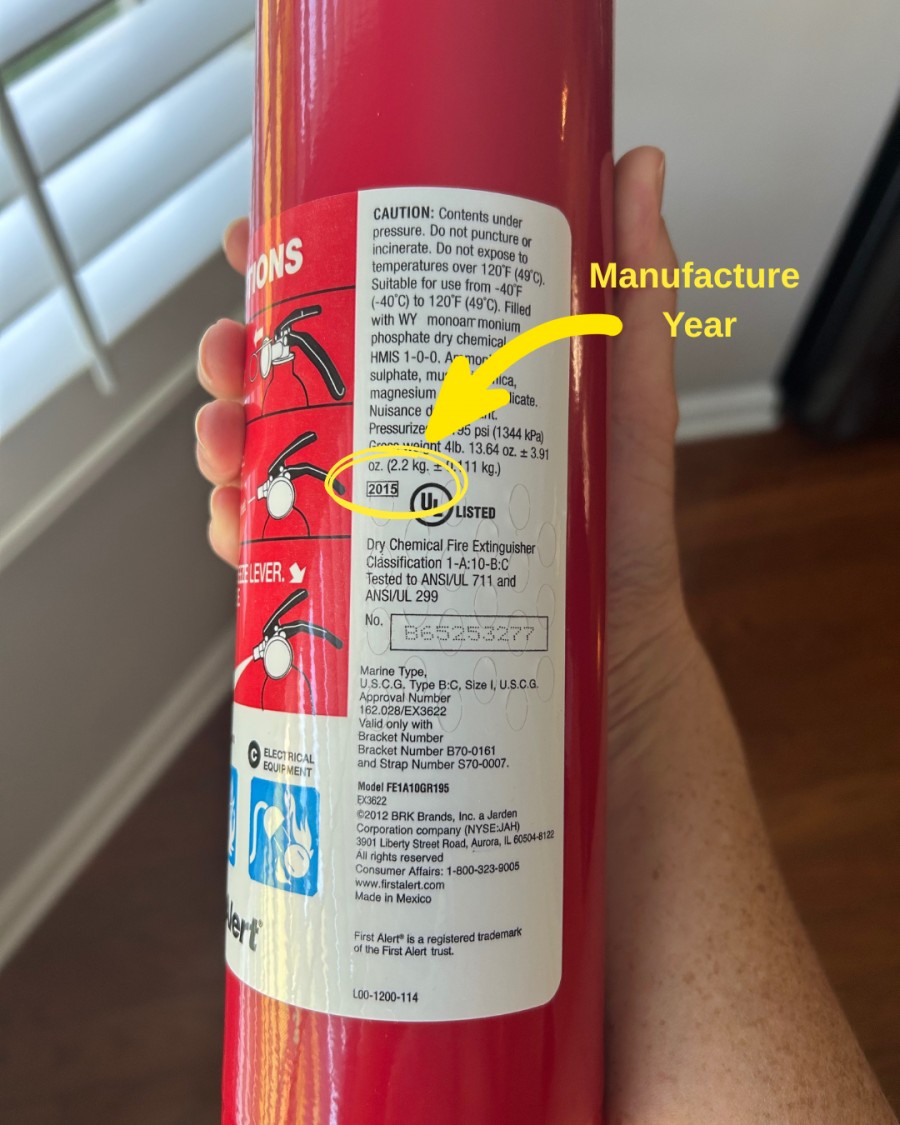
Look for the fire rating printed on the label. For example, a rating such as 2-A:10-B:C gives information about the extinguisher’s tested performance. A higher number generally indicates greater capacity under the testing system.
For many homes, consider:
• A 2-A:10-B:C or similar ABC extinguisher for general household protection
• A smaller extinguisher for a vehicle, if it is securely mounted
• A kitchen-rated extinguisher placed away from the stove and near an exit
• Additional units for garages, workshops, basements, or large homes
Avoid buying an extremely small novelty extinguisher as your only home protection. It may be easy to hold, but it may discharge for only a short time.
Weight matters too. A 10-pound extinguisher may be effective, but a 5-pound model may be easier for a child, older adult, or person with limited strength to handle. Everyone in the home should know where it is stored and whether they can safely use it.
:format(webp))
Where to Buy a Fire Extinguisher
There are several reliable ways to get a fire extinguisher in the United States. Your best option depends on your location, budget, and safety needs.
Hardware and Home Improvement Stores
Local hardware stores and home improvement centers usually sell basic ABC extinguishers. This is often the fastest option for a home or apartment.
Check the package for:
• The fire classes it covers
• The size and weight
• A clear pressure gauge
• A listing from a recognized testing laboratory
• A tamper seal and safety pin
• An expiration or service recommendation, when provided
Do not choose a product only because it has a low price. A trusted listing and clear labeling matter more than a colorful package.
Online Retailers
Online stores offer more brands and sizes. They can be useful when you need a specialty unit, such as a Class K extinguisher or a model for a boat.
Read the full product details before ordering. Confirm that the product is intended for use in the United States and has a recognized safety listing. Check the shipping rules too, because some pressurized products need special handling.
Fire Protection Companies
A professional fire protection company can help you select, install, inspect, and service extinguishers. This is a strong choice for businesses, rental properties, restaurants, workshops, and larger buildings.
A technician can also explain local requirements. Commercial rules may require specific extinguisher types, travel distances, inspection tags, mounting heights, and employee training.
Local Fire Departments
Some fire departments provide safety advice, home inspections, or community programs. They may not sell extinguishers, but they can often tell you what type is suitable and where to buy one locally.
Call the nonemergency number. Do not call 911 for a shopping question or a routine inspection request.
Employers, Landlords, and Property Managers
Workplaces should provide required fire equipment. Tenants should ask landlords or property managers about extinguishers in shared areas and emergency plans.
Never remove a building-owned extinguisher for personal use unless the responsible manager gives permission. Your apartment may still need its own unit if local guidance or your lease recommends one.
Check for Safety Certification
A fire extinguisher should be tested and labeled by a recognized independent laboratory. In the United States, common safety marks include UL or another accepted certification mark.
Certification helps show that the extinguisher met testing requirements. It does not mean the product will stop every fire. Correct placement, maintenance, and safe judgment still matter.
Before buying, check for:
• A readable label with fire classes
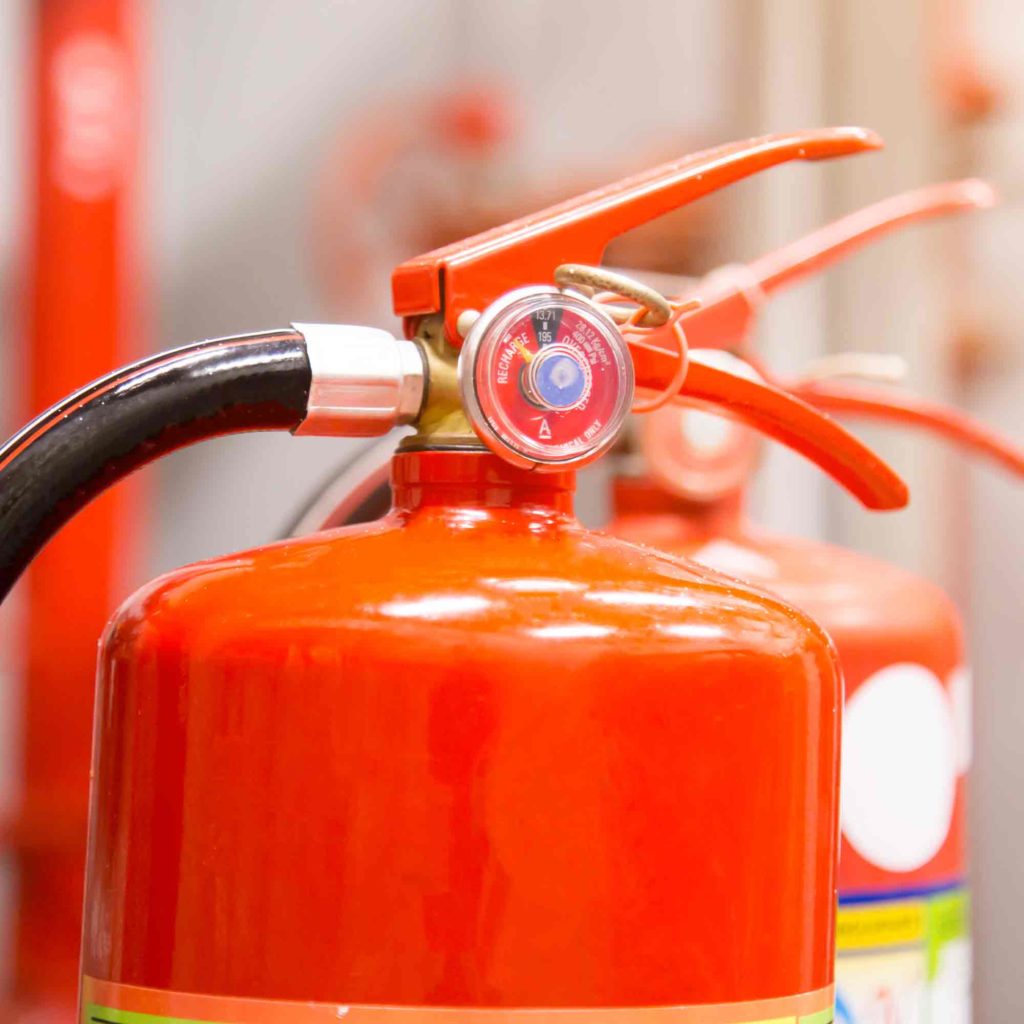
• A pressure gauge in the green zone, if the model has a gauge
• An intact pull pin and tamper seal
• No dents, rust, leaks, cracks, or blocked nozzle
• A sturdy handle and hose
• A manufacturer name and model number
• Instructions printed in clear language
Be cautious with used extinguishers from garage sales, online marketplaces, or unknown sellers. The cylinder may be damaged, empty, recalled, or past its service life. A professional inspection may cost more than a new household unit.
The Consumer Product Safety Commission has issued warnings about certain recalled or defective extinguishers over the years. Search the model number before buying a used product, especially if the seller cannot provide a purchase date or service record.
Place the Extinguisher in the Right Location
Knowing how to get a fire extinguisher is useful only if you can reach it quickly. Store it where people can see and access it, not behind a pile of boxes.
Good locations include:
• Near a kitchen exit, but not directly beside the stove
• Near a garage entry door
• In an accessible hallway
• Near a workshop or utility room
• In a vehicle cabin where it can be reached without opening the hood
Keep the extinguisher away from intense heat, freezing conditions, moisture, and corrosive chemicals unless the model is designed for those conditions. Do not hide it in a locked cabinet without an emergency access plan.
Mounting the unit on a wall can prevent it from being knocked over. Use the supplied bracket or a suitable mount that can support its weight. Follow local fire code and the manufacturer’s instructions for mounting height.
In a workplace, employees should be able to find extinguishers along normal paths of travel. Businesses should follow guidance from the Occupational Safety and Health Administration and local fire authorities.
Learn How to Use a Fire Extinguisher
A fire extinguisher is for a small, early-stage fire. It is not a replacement for an escape plan or emergency services.
Before attempting to fight a fire, make sure:
• Everyone else has left or is leaving
• Someone has called 911
• The fire is small and contained
• There is a clear exit behind you
• The smoke is limited
• You are physically able to use the extinguisher
Use the PASS method:
-
Pull the pin.
-
Aim the nozzle at the base of the fire.
-
Squeeze the handle.
-
Sweep the stream from side to side.
Stay several feet away at first. Move closer only if the fire begins to shrink. If the extinguisher empties and the fire remains, leave immediately.
Never fight a fire if smoke blocks your exit, the flames are spreading, the ceiling is involved, or the fire is larger than a small wastebasket. Close doors behind you if possible, get outside, and stay outside until firefighters say it is safe to return.
A common mistake is aiming at the flames. The fuel at the base is the source, so aim low. Another mistake is standing too close. Heat can injure you even when the extinguisher seems to be working.
Maintain and Replace Your Fire Extinguisher
Buying a fire extinguisher is not the final step. Inspect it regularly so it works when needed.
Each month, check:
• Whether the extinguisher is in its assigned place
• Whether the pressure gauge is in the green zone
• Whether the pin and seal are intact
• Whether the hose or nozzle is clear
• Whether the cylinder shows rust, dents, leaks, or damage
• Whether the instructions remain readable
A discharged extinguisher must be replaced or professionally recharged. Do not assume it is ready because some pressure remains.
Many disposable household extinguishers are replaced after use or when they become damaged. Rechargeable models may be serviced by a qualified technician. Follow the manufacturer’s instructions rather than relying on a general expiration rule.
Do not test an extinguisher by spraying it briefly. Even a short discharge can reduce pressure and make it unreliable. If you need hands-on practice, ask a fire department, workplace safety trainer, or fire protection company about a controlled training session.
Dispose of an Old Fire Extinguisher Safely
An old extinguisher may still contain pressure or chemical powder. Never place a pressurized extinguisher in regular trash or attempt to puncture, burn, or crush it.
Contact one of these options:
• A local fire protection company
• Your city or county household hazardous waste program
• A municipal recycling center that accepts pressurized cylinders
• The manufacturer or retailer, if it offers a take-back program
Call first and ask about preparation rules. Some facilities accept only empty units, while others handle full or damaged extinguishers.
If an extinguisher is leaking, badly rusted, or damaged, do not handle it more than necessary. Keep people away and ask local authorities or a fire safety professional for instructions.
Special Situations to Consider
The best answer to how to get a fire extinguisher can change based on where you live and what you do.
Apartments and Rental Homes
Ask the property manager where shared extinguishers are located. Keep your own compact ABC extinguisher in an easy-to-reach place if allowed by the lease.
Never block a hallway or exit with personal equipment. Your first priority is always a safe escape route.
Vehicles and RVs
Choose an extinguisher rated for automotive risks, including fuel and electrical fires. Mount it firmly where the driver or passengers can reach it without leaving the vehicle.
Do not store it loose under luggage. A heavy cylinder can become dangerous during a crash.
Boats
Marine extinguishers may have special corrosion resistance and mounting requirements. Follow United States Coast Guard rules that apply to your boat’s size and design.
Workshops and Garages
Garages may contain gasoline, solvents, paints, batteries, and power tools. An ABC extinguisher is often useful, but large fuel or chemical storage may require extra protection and professional advice.
Keep flammable liquids in approved containers. An extinguisher cannot make unsafe storage safe.
Businesses
Employers should complete a hazard assessment and meet applicable federal, state, and local rules. Staff should receive clear training on alarm procedures, evacuation, and when not to fight a fire.
A workplace extinguisher program should include inspection records, professional servicing, visible signs, and regular drills.
Mistakes to Avoid When Buying One
Many people search how to get a fire extinguisher only after seeing a small fire. That urgency can lead to poor choices.
Avoid these mistakes:
• Buying a water extinguisher for a kitchen or garage
• Choosing a unit without a recognized safety listing
• Buying a model too heavy for the people who may use it
• Storing it behind furniture or inside a crowded cabinet
• Ignoring the pressure gauge or inspection tag
• Buying a used extinguisher with no service history
• Using an extinguisher on a fire that is already spreading
• Forgetting to replace a unit after discharge
• Assuming one extinguisher protects every room
One practical lesson from fire safety training is simple: access beats distance. A good extinguisher that takes two minutes to find may be less useful than a suitable unit mounted near an exit.
Frequently Asked Questions About How to Get a Fire Extinguisher
Where can I get a fire extinguisher near me?
You can buy one at a hardware store, home improvement store, fire protection company, or reputable online retailer. Your local fire department may also provide advice about suitable products and local rules.
What type of fire extinguisher should I buy for my home?
Most homes benefit from a listed ABC extinguisher that covers ordinary combustibles, flammable liquids, and electrical equipment. A separate kitchen-rated unit may be helpful if you cook with large amounts of oil or grease.
How many fire extinguishers should a home have?
The number depends on the home’s size, layout, and hazards. Place units near exits and higher-risk areas such as the kitchen, garage, workshop, or utility room, while keeping escape paths clear.
Can I use a fire extinguisher on a grease fire?
Use an extinguisher specifically rated for the fire, such as a Class K unit for many cooking-oil fires. Never use water on a grease fire because it can spread burning oil violently.
How long does a fire extinguisher last?
Service life varies by type, model, storage conditions, and manufacturer instructions. Inspect it regularly and replace or service it if it is damaged, loses pressure, reaches its service limit, or has been discharged.
Should I buy a used fire extinguisher?
A used extinguisher is risky unless a qualified professional has inspected and serviced it. A new, properly listed extinguisher is usually a safer and simpler choice for home use.
Can I keep a fire extinguisher in my car?
Yes, if it is designed for vehicle use and mounted securely. Choose an appropriate rating, protect it from extreme conditions when possible, and make sure passengers can reach it without entering traffic.
Conclusion
Learning how to get a fire extinguisher means choosing the right class, size, safety listing, and location. For many homes, a certified ABC model is a strong starting point, while kitchens, garages, vehicles, boats, and businesses may need specialized options.
Buy from a reputable seller, inspect the unit often, and learn when to evacuate instead of fighting a fire. Take a few minutes today to choose and place the right extinguisher, then review your escape plan with everyone in your home.

2 Comments