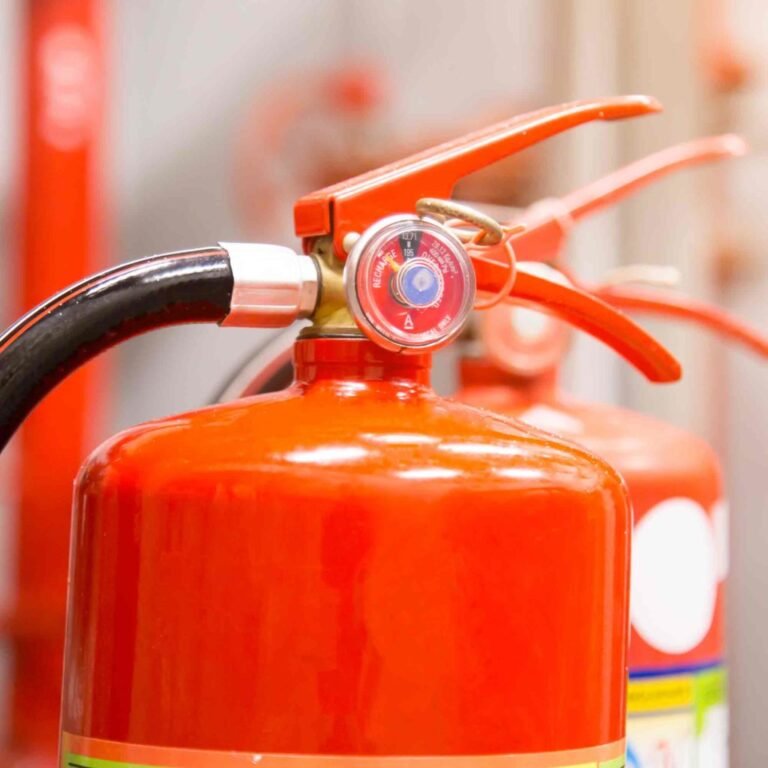
A fire blanket extinguishes flames by cutting off oxygen and trapping heat around a small fire.
Understanding how does a fire blanket extinguish a fire helps you use this simple safety tool with confidence. A fire blanket is not magic, and it is not suitable for every emergency. It works best when placed carefully over a small, contained fire before the flames spread. This guide explains the science, correct use, common mistakes, safety limits, and when an extinguisher or emergency call is the better choice.
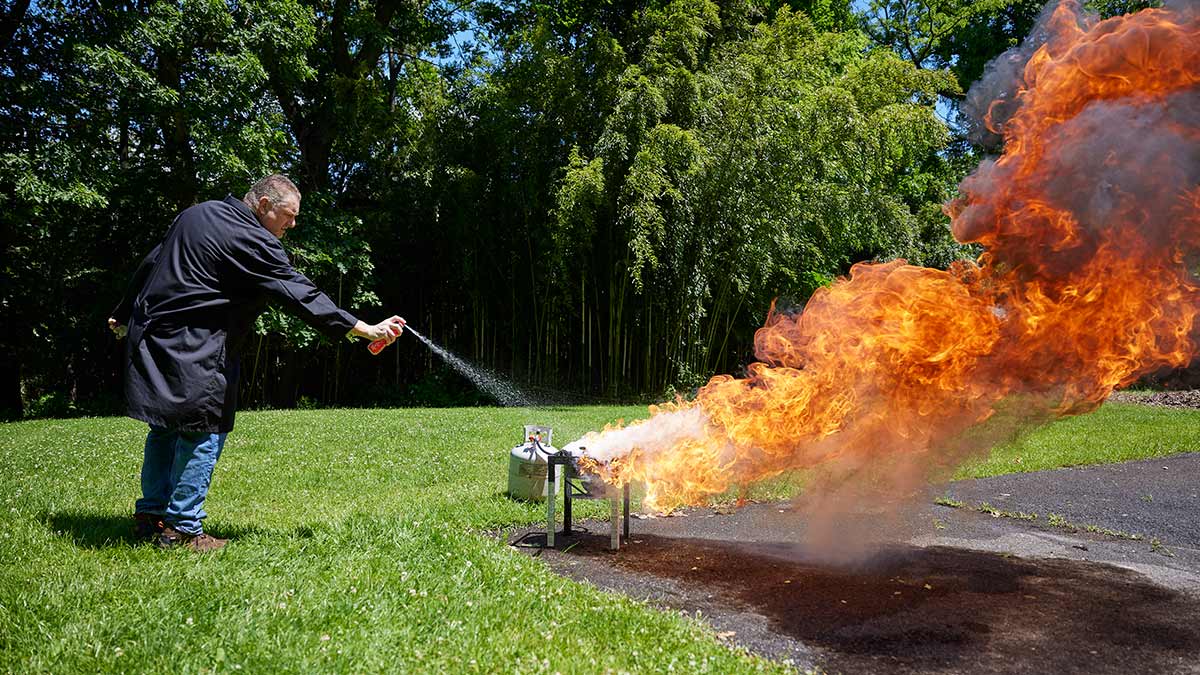
What Is a Fire Blanket?
A fire blanket is a sheet made from fire-resistant material. Common materials include fiberglass fabric treated for heat resistance. Some blankets also contain special coatings that help resist flames and radiant heat.
The blanket is stored in a small pouch or wall-mounted case. Most home models have pull tabs that let you remove the blanket quickly. Commercial blankets may be larger and designed for kitchens, workshops, laboratories, or industrial spaces.
A fire blanket is made for small fires that are limited to one area. Typical examples include:
• A pan fire on a stovetop
• A small wastebasket fire
• Flames on a person’s clothing
• A small fire in a laboratory or workshop
• A contained grill or cooking fire, when the blanket is rated for that use
A fire blanket is not a replacement for smoke alarms, a fire extinguisher, or an emergency plan. It is one part of a complete fire safety system.
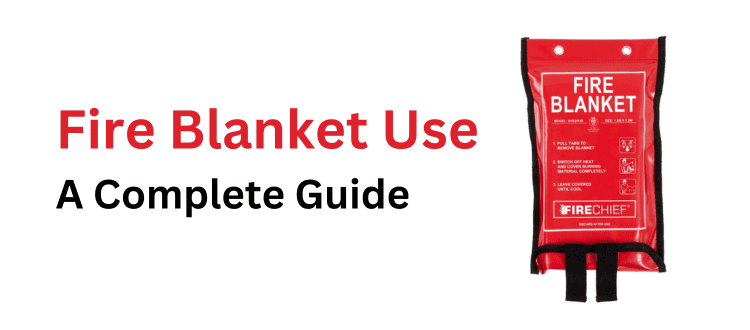
How Does a Fire Blanket Extinguish a Fire?
The answer to how does a fire blanket extinguish a fire comes down to the fire triangle. A fire needs three things to keep burning:
• Heat
• Fuel
• Oxygen
Remove one part of this triangle, and the fire may go out. A fire blanket mainly removes oxygen. It also helps contain heat and prevents flames from reaching nearby fuel.
1. It cuts off the oxygen supply
When you place a blanket fully over a small fire, it forms a barrier between the flames and the air. The fire can no longer draw in enough oxygen to continue burning.
This is called smothering. It is similar to placing a lid over a pan fire. Without a steady flow of air, the flames weaken and stop.
2. It contains the flames
A blanket keeps flames from rising and spreading to nearby objects. This is important because many household fires grow when heat reaches curtains, cabinets, paper, or clothing.
The blanket acts like a shield. It does not make the fuel disappear, but it helps keep the flame in one place while the fire loses oxygen.
3. It reduces radiant heat
Fire gives off radiant heat. This heat can ignite objects without direct contact with the flame. A fire blanket reflects or absorbs some of this heat, depending on its material and design.
However, a blanket does not cool a fire as well as water or some extinguishing agents. The fuel may remain very hot after the flames disappear. That is why you should leave the blanket in place for a safe period and avoid lifting it too soon.
4. It prevents reignition
A fire can appear to be out and then flare up again. This can happen when hot oil, fabric, paper, or wood still holds enough heat to ignite.
Keeping the blanket over the fire helps limit contact with air. Do not remove it just because you no longer see flames. If the fire starts to spread or smoke becomes heavy, leave at once and call 911.
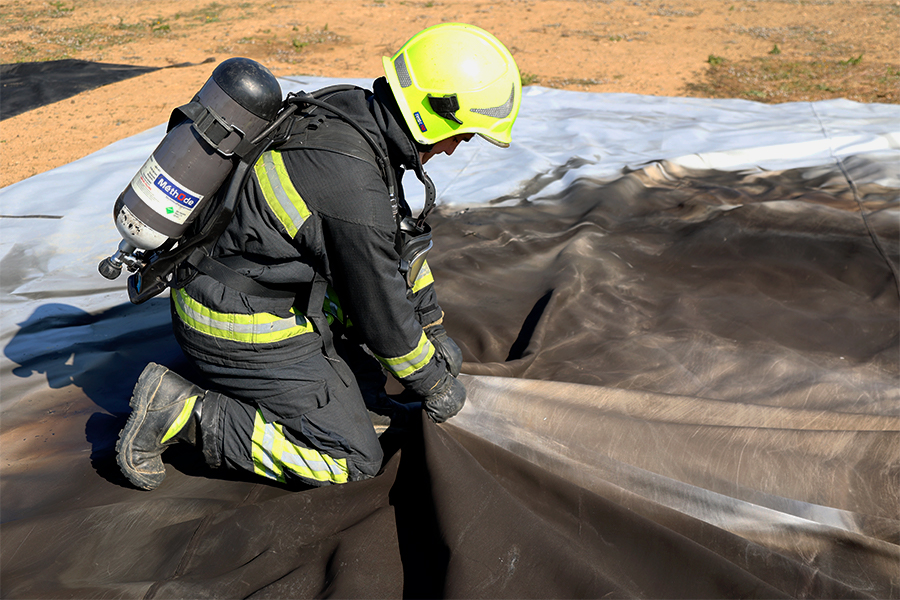
Why Smothering Works on Small Fires
Smothering works best when the blanket covers the entire burning area. Even a small gap can let oxygen flow under the fabric. That air may keep the fire alive.
Think of the blanket as closing a door on the fire’s air supply. If the door is only partly closed, the fire may still breathe. A complete seal is much more effective, as long as you can make it without reaching through flames.
This method works especially well with:
• Grease fires in a pan
• Clothing fires
• Small solid-material fires
• Fires inside a container
A fire blanket is less useful when the fire is large, spreading, outdoors, or producing intense smoke. It also may not stop a fire involving pressurized gas, chemicals, or a deep fryer.

How to Use a Fire Blanket Safely
Knowing how does a fire blanket extinguish a fire is helpful, but correct handling matters just as much. A poorly placed blanket can expose your hands, face, or clothing to severe heat.
Follow these steps only if the fire is small and you have a clear escape route:
-
Alert others in the building and tell someone to call 911 if needed.
-
Turn off the heat source if you can do so safely. For a pan fire, switch off the burner without reaching across the flames.
-
Remove the blanket from its case using the pull tabs.
-
Hold the blanket in front of you with your hands protected behind its upper edge.
-
Keep your face and body away from the flames.
-
Gently place or slide the blanket over the fire. Do not throw it from a distance.
-
Cover the full container or burning area. Avoid leaving gaps around the edges.
-
Leave the blanket in place until the material has cooled. This may take several minutes or longer.
-
Evacuate if the fire grows, smoke becomes strong, or you feel unsure.
-
Call the fire department even if the fire appears to be out when there is any doubt.
Never take a risk to save property. A fire can double in size very quickly, and smoke can make a room dangerous before the flames seem large.

Using a Fire Blanket on a Person
Clothing fires require fast action. Tell the person to stop, drop, and roll if they can do so. Running can make the flames spread faster.
A fire blanket can help smother flames on clothing when used carefully. Approach from the side or behind when possible. Wrap the blanket around the person’s body, but do not cover the face or press the person to the floor.
After the flames are out:
• Call 911.
• Move the person away from the heat if it is safe.
• Cool burns with clean, cool running water for about 20 minutes.
• Do not apply ice, butter, creams, or adhesive dressings.
• Do not pull away clothing stuck to the skin.
A blanket can put out flames, but it cannot treat burns. Even burns that look small may need medical care.
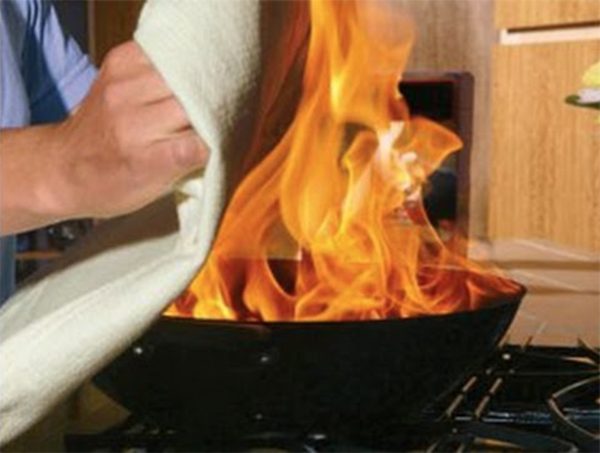
How to Use a Fire Blanket on a Grease Fire
A pan fire is one of the most common situations where people ask how does a fire blanket extinguish a fire. The safest method is to cover the pan without moving it.
Use these steps:
• Turn off the burner if you can reach the control safely.
• Keep the pan where it is. Moving it can spill burning oil.
• Hold the blanket by its edges and protect your hands.
• Place it over the pan from the side, moving away from your body.
• Cover the entire pan and keep the blanket in place.
• Leave the kitchen and close the door if you can do so safely.
• Call 911 if the fire does not go out at once or if smoke spreads.
Never pour water on burning oil. Water can flash into steam and throw burning grease across the room. Do not carry a burning pan outside, and do not use a wet towel as a substitute for a certified fire blanket.
For a large grease fire, a Class K extinguisher may be the correct equipment in a commercial kitchen. In a home, evacuation and an emergency call may be safer than trying to fight the fire.

What Materials Are Fire Blankets Made From?
Most fire blankets use woven fiberglass or another high-temperature fabric. The fibers are designed to resist burning and slow the movement of heat.
Some industrial blankets use materials such as:
• Fiberglass
• Silica fabric
• Aramid fibers
• Wool with fire-resistant treatment
• Special ceramic or coated fabrics
The material affects the blanket’s temperature rating, flexibility, durability, and intended use. A blanket for a kitchen may not be suitable for molten metal, welding sparks, or chemical fires.
Read the product label before use. Look for clear instructions, a recognized safety certification, and the types of fires the blanket is designed to handle. A decorative or ordinary household cloth is not a fire blanket.

Where Should You Store a Fire Blanket?
Store a fire blanket near likely fire hazards but not directly above a stove or appliance. You should be able to reach it without moving toward the fire.
Good locations include:
• Near the kitchen exit
• Beside, not above, the cooking area
• Near a fireplace
• In a workshop
• In a laboratory or classroom
• In an area where candles or grills are used
Make sure everyone in the home knows where it is. Practice opening the pouch before an emergency. In a real fire, smoke, noise, and stress can make simple actions feel difficult.
Check the blanket from time to time. Replace it if the package is damaged, the fabric is torn, or it has been exposed to fire. Do not wash or reuse a blanket unless the manufacturer specifically allows it and confirms that it remains safe.
Fire Blanket vs. Fire Extinguisher
A fire blanket and a fire extinguisher serve different purposes. A blanket smothers a small fire by blocking air. An extinguisher releases an agent that can cool, smother, or chemically interrupt combustion.
A blanket may be easier for some people to use because it does not require aiming or squeezing a handle. It also avoids spreading some burning materials through a forceful spray.
An extinguisher may be better when:
• The fire is not contained in a pan or small object
• You need to stand farther away
• The fire involves electrical equipment
• The blanket cannot cover the whole fire
• The product label calls for a specific extinguishing agent
Every home should have working smoke alarms and at least one suitable, accessible fire extinguisher. A fire blanket is useful extra protection, not the only tool you should rely on.
What a Fire Blanket Cannot Extinguish
A fire blanket has clear limits. It cannot safely control every type of fire, and using one on the wrong fire may delay evacuation.
Do not rely on a fire blanket for:
• A large or rapidly spreading fire
• A fire filling a room
• A chimney or structural fire
• A pressurized gas fire
• A deep fryer fire unless the blanket is specifically rated for it
• A chemical fire without checking the product guidance
• A fire hidden inside walls, appliances, or ceilings
• A fire blocking your exit
Do not cover a person’s face. Do not use a blanket to walk through flames. Do not remain in a burning room to protect property.
If you cannot control the fire immediately, leave, close doors behind you if possible, and call 911 from a safe location.
Common Mistakes to Avoid
Many fire blanket failures come from user error rather than the material itself. A few seconds of planning can reduce these risks.
• Throwing the blanket at the fire: This may leave gaps and expose you to flames. Place it gently over the fire.
• Reaching across the flames: Your hands, arms, and clothing may ignite. Approach from the side and keep your body back.
• Lifting the blanket too soon: The fuel may still be hot and can reignite when air reaches it.
• Moving a burning pan: Hot oil may spill and spread the fire.
• Using a blanket that is too small: The fire must be fully covered.
• Using a damaged blanket: Tears can allow heat and air to pass through.
• Treating a blanket as a shield: A blanket is for smothering a small fire, not for entering a dangerous area.
• Forgetting smoke danger: Smoke can cause serious injury even when the flames look manageable.
During safety demonstrations, one lesson stands out: people often focus on the flame and forget their escape route. My practical advice is to look behind you before attempting any response. If the exit is not clear, do not fight the fire.
How to Choose a Fire Blanket
Choose a blanket based on the risks in your home or workplace. A small kitchen blanket may not meet the needs of a workshop or commercial kitchen.
Consider these points:
• Size: Choose a blanket large enough to cover the likely fire.
• Certification: Look for testing and labeling from a recognized safety organization.
• Material: Check the heat rating and intended use.
• Storage case: Pull tabs should be easy to identify and reach.
• Instructions: The label should explain how to deploy and maintain the blanket.
• Location: Buy enough blankets to place one near each major risk area.
• Replacement policy: Confirm whether the blanket is single-use and how it should be discarded after exposure to heat.
A trustworthy product should clearly state its intended application. Avoid products with vague claims, missing instructions, or no manufacturer information.
Fire Safety Research and Expert Guidance
Fire safety agencies consistently stress early detection, rapid evacuation, and the importance of not fighting a fire that is too large. Fire blankets are designed for small, contained fires, not for replacing professional firefighting equipment.
Standards and testing can differ by country and product type. In the United States, look for clear compliance information and follow the manufacturer’s instructions. Local fire departments can also advise on suitable blankets, extinguishers, smoke alarms, and escape plans.
It is important to understand the evidence correctly. A blanket can block oxygen, but it does not remove all heat or cool every fuel. The success of how does a fire blanket extinguish a fire depends on the fire’s size, fuel, coverage, wind or airflow, blanket condition, and the user’s ability to place it safely.
Frequently Asked Questions About How Does a Fire Blanket Extinguish a Fire
How does a fire blanket extinguish a fire?
A fire blanket covers the flames and limits their oxygen supply. It also helps contain heat and stops flames from reaching nearby fuel.
Can a fire blanket put out a grease fire?
Yes, a properly rated fire blanket can smother some small pan grease fires. Never use water, never move the pan, and leave the blanket in place until the pan cools.
Can I reuse a fire blanket?
Most household fire blankets are intended for one use after exposure to flames or high heat. Replace the blanket unless the manufacturer or a qualified inspector confirms that it is still safe.
Is a fire blanket better than a fire extinguisher?
Neither is always better. A blanket is useful for small, contained fires, while an extinguisher may work better when the fire is larger or cannot be fully covered.
Can I use a fire blanket on an electrical fire?
Turn off the power first if you can do so safely, and follow the blanket’s instructions. Do not touch energized equipment, and use an extinguisher rated for electrical fires when appropriate.
Can a fire blanket put out a person’s clothing fire?
It can help smother flames on clothing, but stop, drop, and roll is also important. Keep the person’s face uncovered, call 911, and seek medical care for burns.
How long should I leave a fire blanket over a fire?
Leave it in place until the fuel has cooled and there is no risk of reignition. If you are unsure, do not lift it; evacuate and let trained firefighters handle the situation.
Conclusion
A fire blanket extinguishes a small fire mainly by cutting off oxygen. It also contains flames, limits radiant heat, and helps prevent the fire from spreading. Its best uses include small pan fires, contained solid-material fires, and clothing fires, but it is not suitable for large, spreading, chemical, or hidden fires.
Choose a certified blanket, store it near an exit, learn how to deploy it, and keep a suitable fire extinguisher nearby. Most importantly, protect people first: leave immediately when a fire grows or smoke becomes dangerous. Share this guide with your household, review your fire escape plan, and ask your local fire department for practical safety advice.